
What to buy in Florence: what’s actually local (and what isn’t)
From handmade leather and contemporary jewelry to Tuscan olive oil, wine, and the occasional questionable souvenir, a local guide to bringing home something worth keeping.
The short answer: The best things to buy in Florence are locally made leather goods, contemporary artisan jewelry, ceramics, paper goods, and independent design. For food, look for Tuscan extra virgin olive oil, regional specialties, and traditional Florentine pastries. For wine, explore Chianti Classico, Chianti Rufina, Chianti Colli Fiorentini, and Vin Santo.
But the most important thing to know? Made in Italy and made in Florence are not quite the same thing.
Shopping with Florence Factory
Worldwide shipping via FedEx — tracked & insured.
In-store pickup by arrangement — message or call us; availability varies by item.
Custom & on-request options — colors, sizing, gemstones (on select pieces).
Small-batch, artisan-made — durability, repair-friendly, fair pricing.
Florence Is Very Good at Selling Florence
Walk through the historic center and you'll find leather bags, Renaissance reproductions, marbled notebooks, bottles of Chianti, and enough David-shaped objects to furnish a rather eccentric apartment.
Some are beautiful. Some are genuinely local. Some have travelled considerably farther than you have.
This is the paradox of shopping in Florence: a city with one of Europe's richest craft traditions also has an impressive talent for selling mass-produced nostalgia.
The question isn't simply what to buy in Florence. It's what makes something genuinely Florentine.
A useful distinction:
Made in Florence: Objects designed or produced by artisans working in the city or its immediate surroundings.
Made in Tuscany: Products from the wider region, with their own specific local histories, materials, and production traditions.
Made in Italy: Potentially excellent, but not necessarily connected to Florence. An Italian-made object doesn't become Florentine simply because someone puts a picture of the Duomo on the packaging.
None of these categories automatically guarantees quality. But knowing the difference makes you a much more interesting shopper.
What Is Florence Actually Famous for Making?
Florence has a long history of goldsmithing, leatherworking, bookbinding, decorative paper, textiles, and artistic production.
The important word here is history. These crafts are not museum exhibits. They continue to evolve in the hands of contemporary makers.
1. Leather goods: the real thing is in the details
Leather is probably Florence's most recognizable shopping category. Bags, wallets, belts, and sandals fill windows throughout the center.
But leather sold in Florence is not necessarily leather made in Florence.
Look for vegetable-tanned leather, carefully finished edges, well-attached hardware, and construction that can withstand more than one summer.
Vegetable tanning uses tannins derived from plant materials. It is an important part of Tuscany's leatherworking tradition, although the material alone doesn't prove where an object was made.
Ask who made the product, where it was assembled, and how it was finished.
At Florence Factory, our leather selection includes contemporary bags produced by Florentine and Tuscan makers, while our handmade leather sandals use vegetable-tanned Tuscan leather.
The difference is visible in the material and construction, not in how loudly the word Firenze appears on a label.
For a closer look, read Why Is Florence Famous for Leather?.
2. Jewelry: Florence has moved beyond Renaissance gold
Florence's goldsmithing tradition is inseparable from Ponte Vecchio, where jewelry shops have been part of the landscape for centuries.
But the city's contemporary jewelry scene is just as interesting.
Independent designers work with silver, gold-plated silver, gemstones, experimental forms, and hand-finished components. Their pieces often have more in common with sculpture or architecture than traditional jewelry.
The important questions are who designed the piece, which materials were used, and where it was produced.
And remember: gold-plated silver is not solid gold. Good jewelry deserves an accurate description.
Discover contemporary artisan jewelry at Florence Factory, including pieces made in Florence and Tuscany.
3. Ceramics: from Renaissance majolica to modern stoneware
Tuscany has several important ceramic traditions.
Montelupo Fiorentino, just outside Florence, is particularly associated with historic majolica. Impruneta has its own distinguished tradition of terracotta.
But contemporary Tuscan ceramics do not need Renaissance patterns to be authentic.
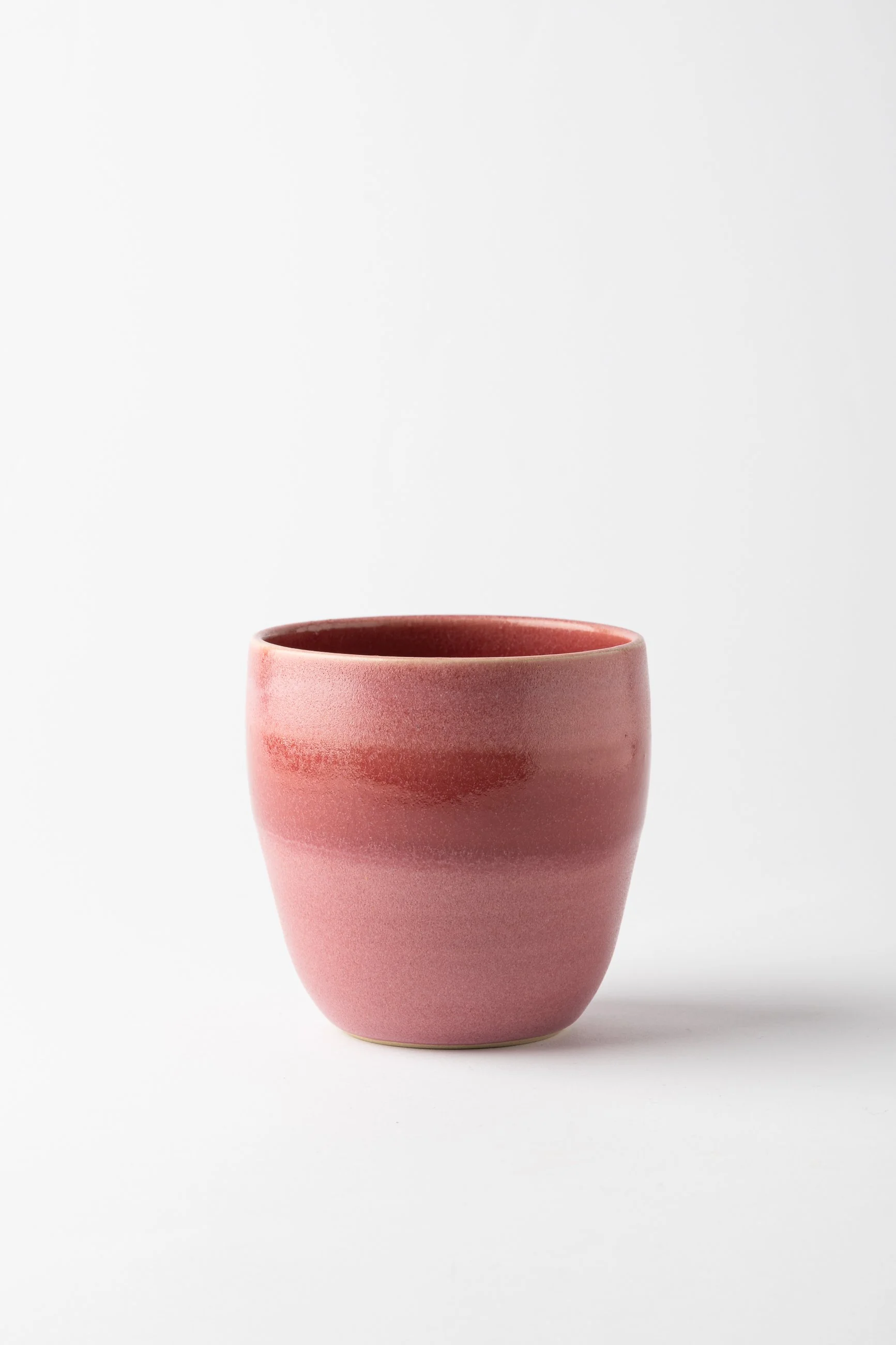
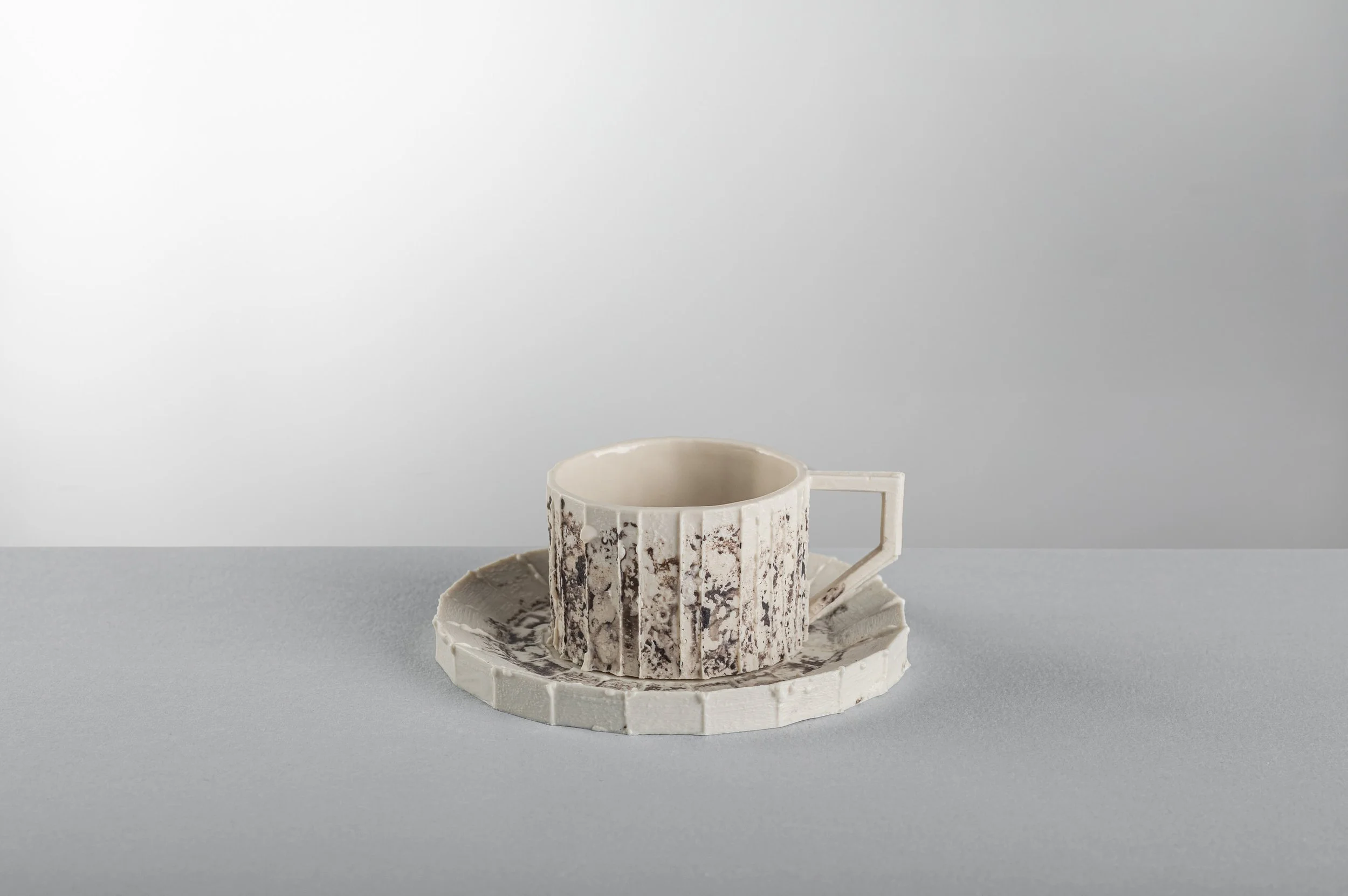
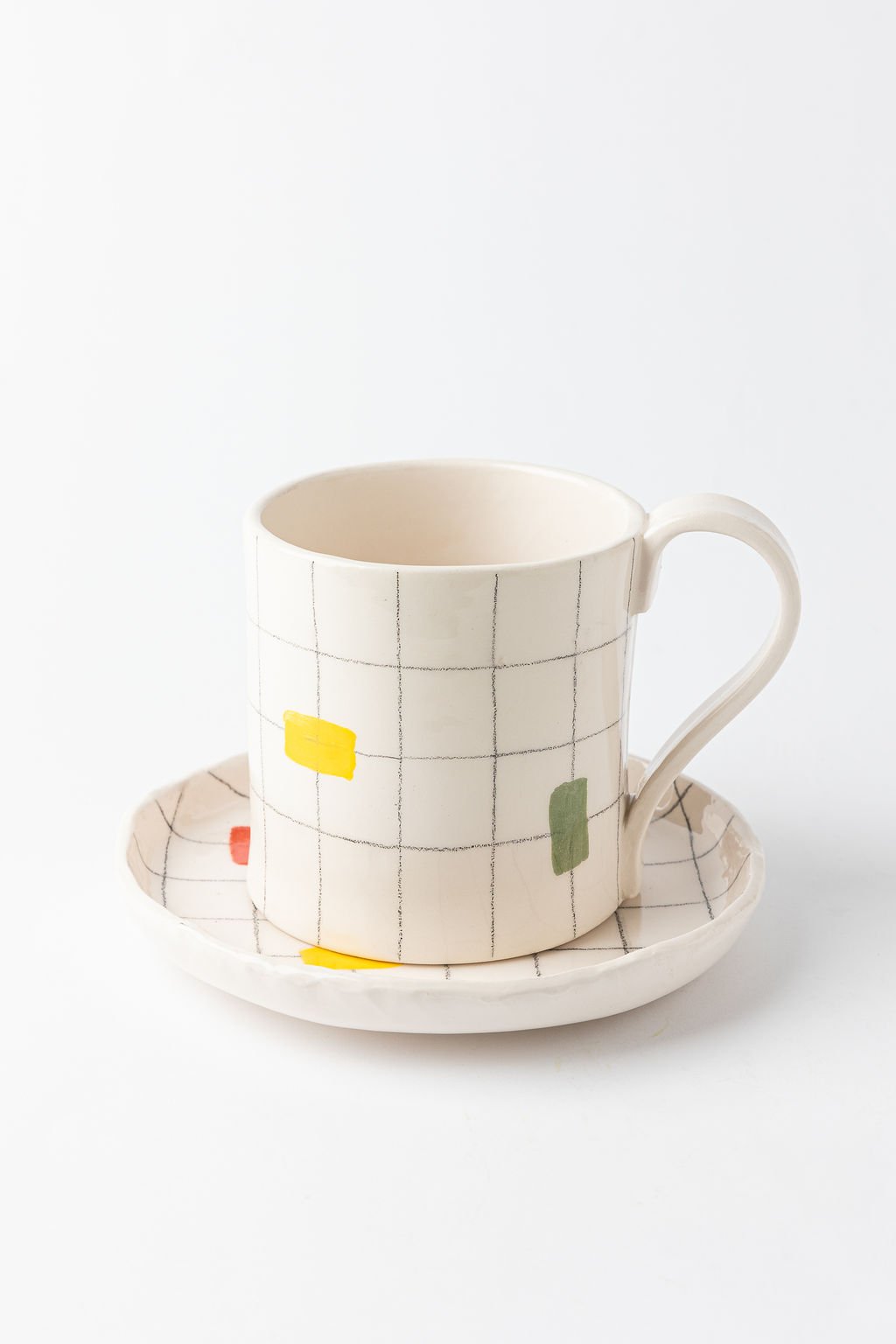
Today's makers produce stoneware cups, porcelain objects, sculptural vases, and everyday tableware with modern forms, original glazes, and individual finishes.
A handmade ceramic espresso cup can be more representative of a living craft culture than another decorative Renaissance plate.
The object doesn't have to look old to have a real history.
Explore ceramics and porcelain by makers selected by Florence Factory.
4. Florentine paper, books, and prints
Decorative paper, marbling, and fine bookbinding belong to Florence's historic craft identity.
Traditional marbled paper is created by manipulating colors on a liquid surface and transferring the resulting pattern to paper. The technique has a wider international history, but it became a distinctive part of Florentine bookbinding and decorative production.
Look for hand-bound notebooks, original prints, artist-made paper objects, and stationery with clear provenance.
One small warning: a marbled pattern printed by a machine is not the same as an individually marbled sheet.
Both might be attractive. Only one involved the marbling process.
Our paper collection and Florence-inspired prints offer contemporary alternatives to conventional tourist stationery.
5. Straw hats, textiles, and contemporary fashion
The famous Florentine straw-hat tradition is strongly connected to Signa, a town near Florence historically associated with straw production.
It is a good example of why regional geography matters: a craft can be genuinely part of Florence's cultural identity without every piece being made inside the city.
The same principle applies to textiles and fashion.
Today, independent designers continue this culture through limited-run clothing, original patterns, considered tailoring, and accessories made in small quantities.
A garment designed and produced by a local independent label can be just as representative of contemporary Florence as a traditional object.
Explore artisan clothing and handmade hats.
6. Contemporary design is local craft, too
There is a persistent idea that authentic Florentine craftsmanship must involve tools that would have been familiar to Michelangelo.
Fortunately, Florence has continued developing since the sixteenth century.
Contemporary local makers use digital design, 3D printing, plant-based or recycled PLA, experimental materials, and new production techniques alongside hand finishing and traditional skills.
The question is not whether an object looks Renaissance.
It's whether the design, production, and people behind it have a real connection to the place.
A locally designed contemporary object can tell you more about Florence today than a thousand identical Renaissance magnets.
Shop the Story: Five Objects with a Real Local Connection
A few examples from Florence Factory's selection show how Florentine craft can be contemporary, practical, and distinctly individual.
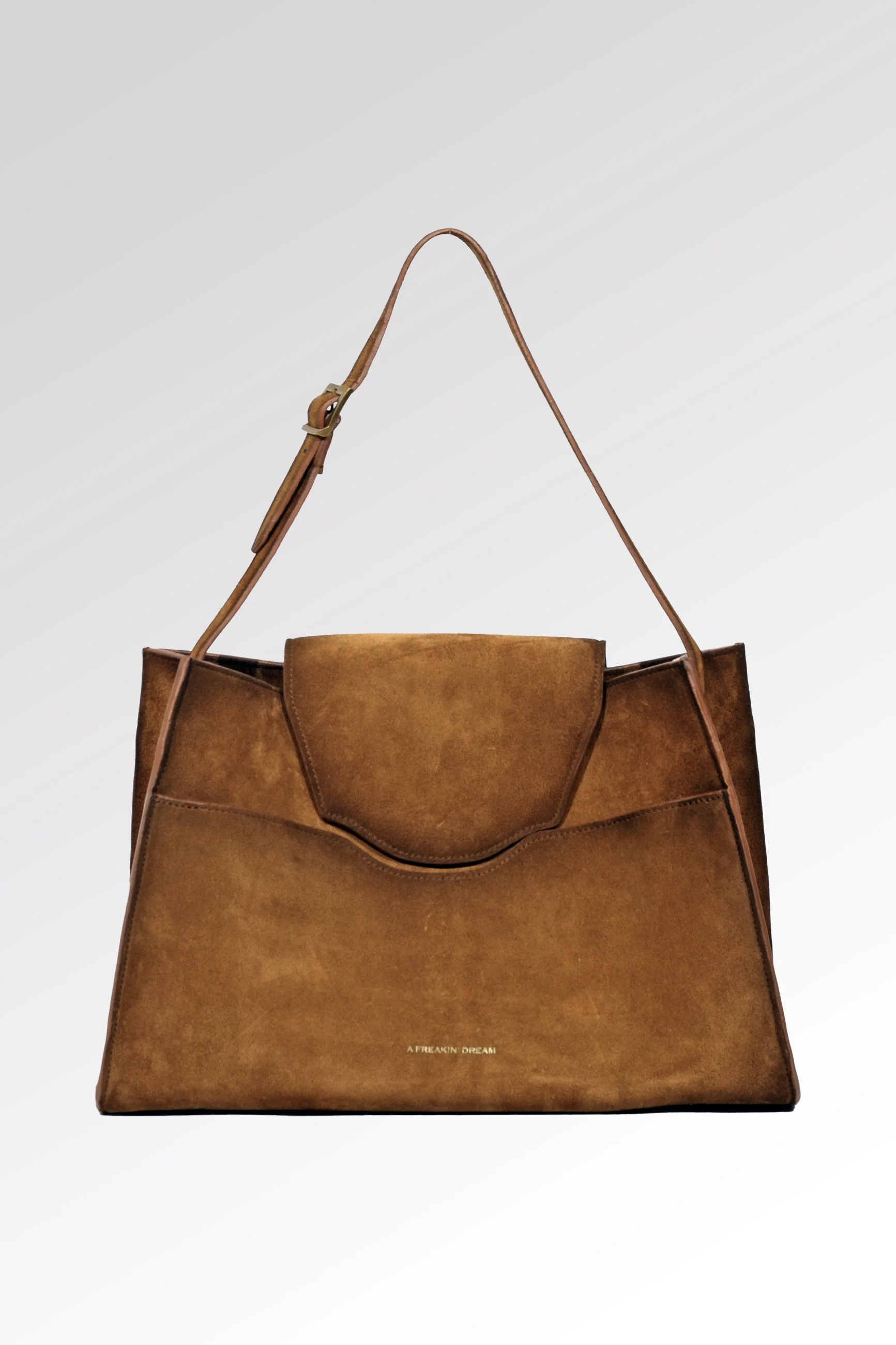
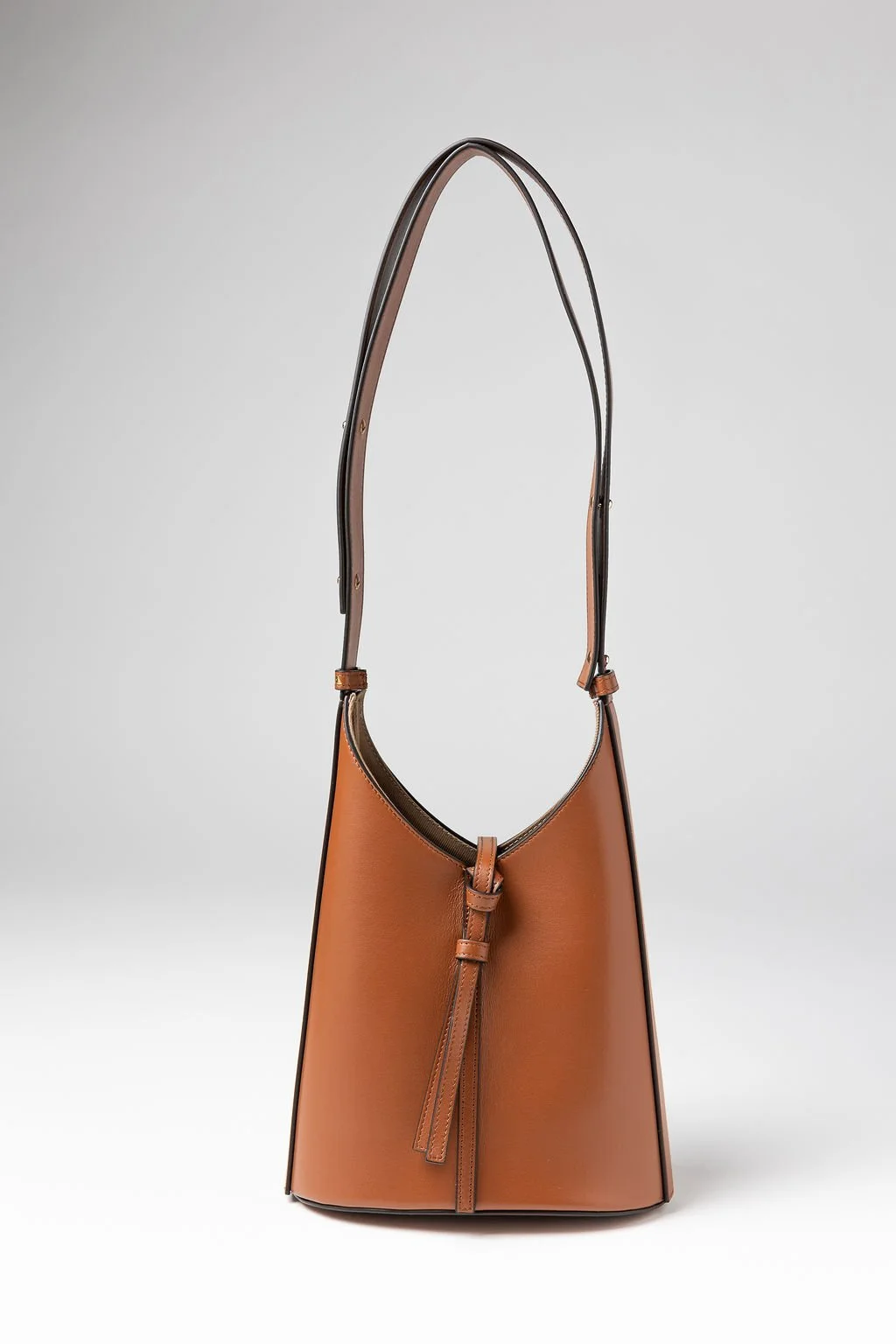
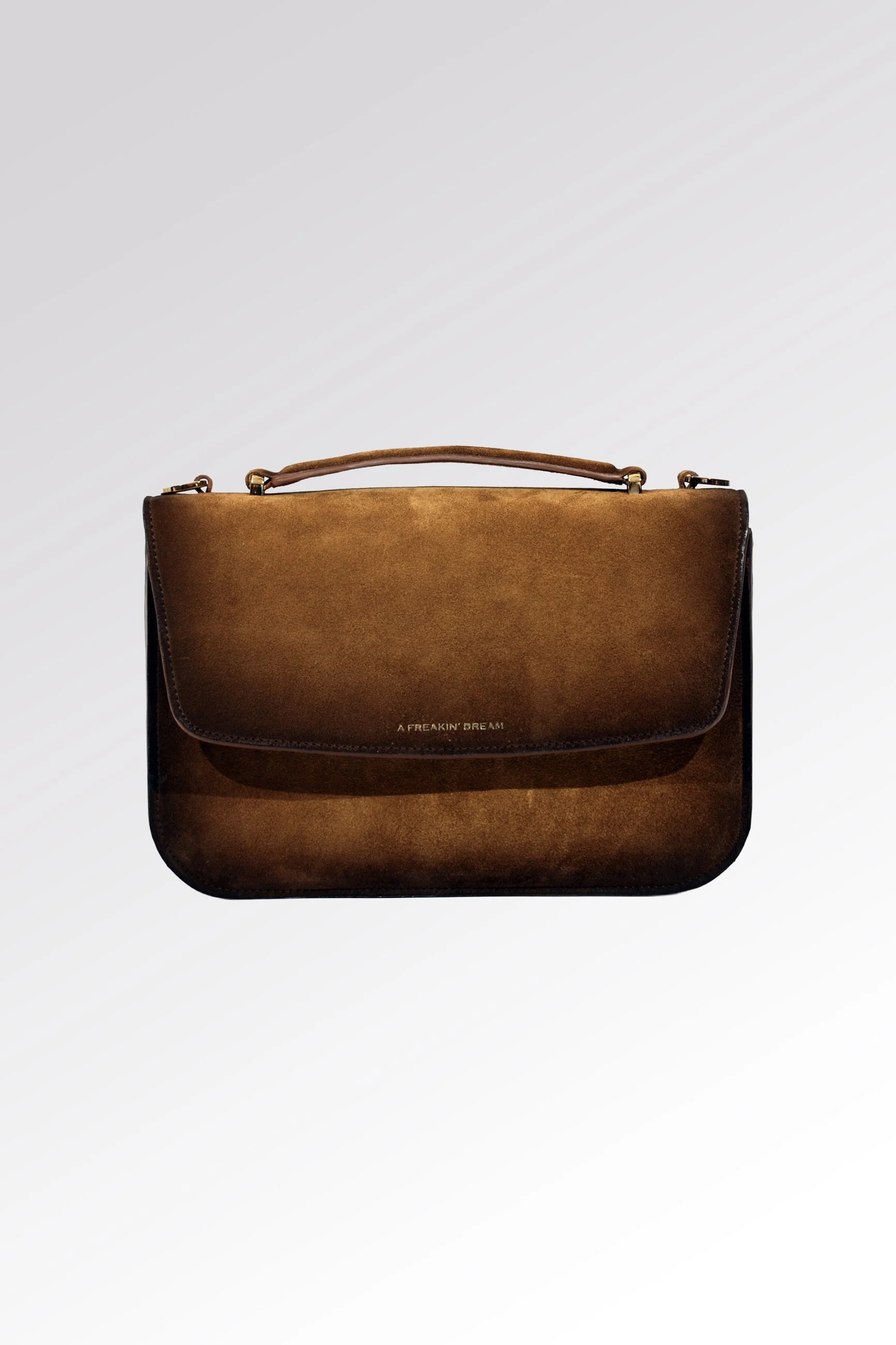
Anila Leather Shoulder Bag — Florence
A sculptural leather bag handmade in Florence using surplus leather. Clean lines, a convertible strap, and an approach to production that makes use of existing materials rather than creating unnecessary waste.

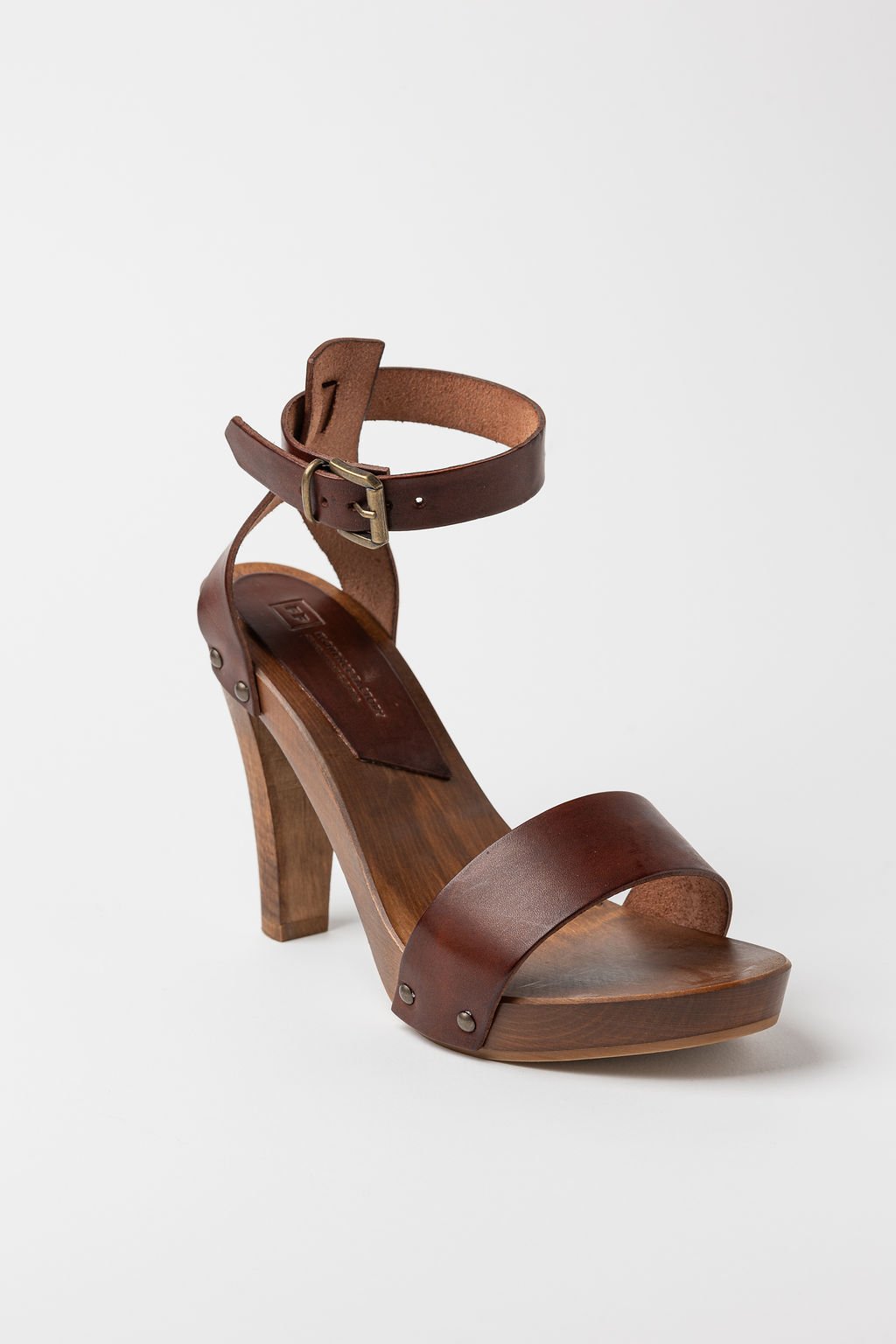
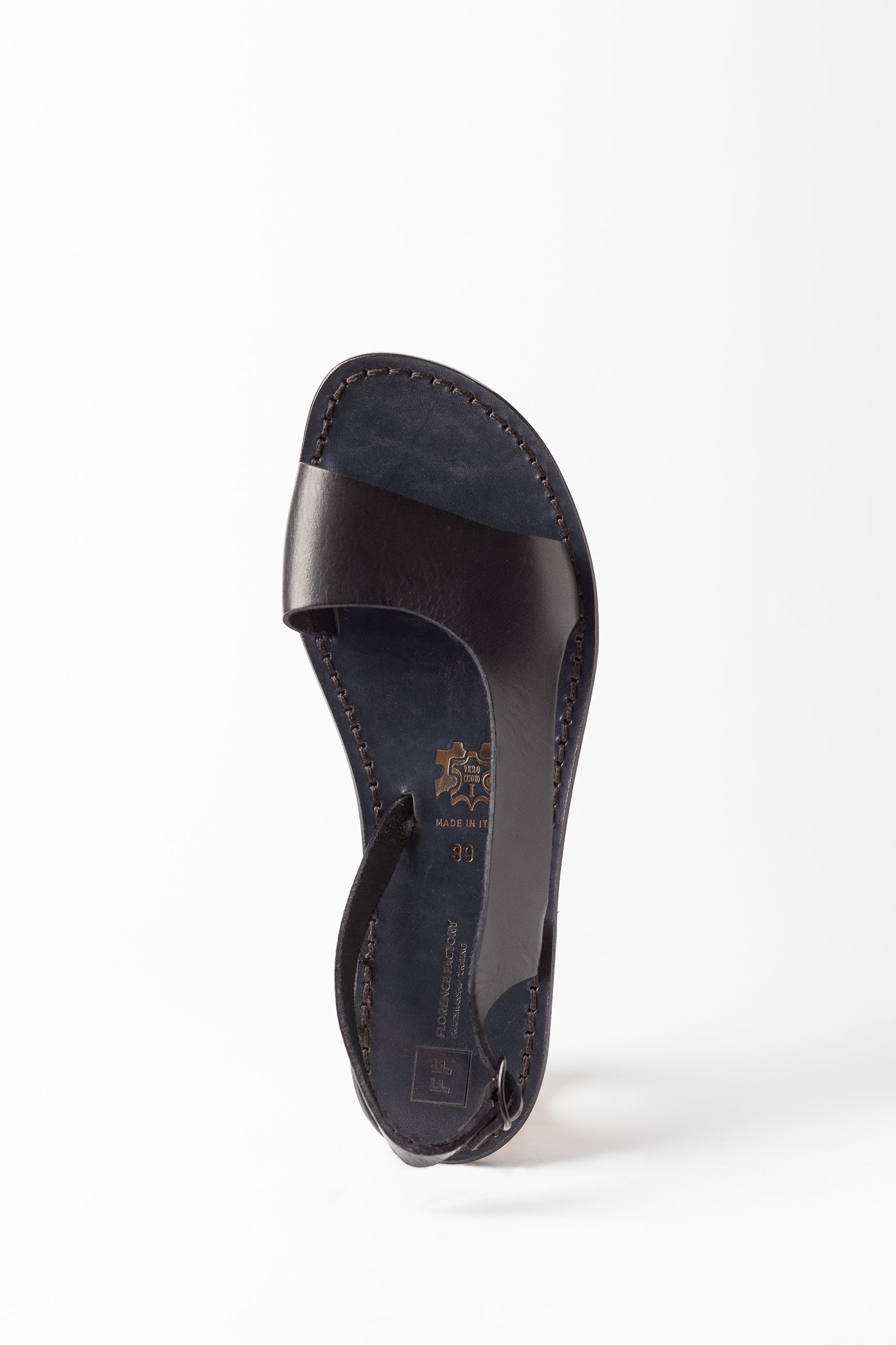

Colonnata Black Leather Sandals — Florence
Handmade with vegetable-tanned Tuscan leather, hand-applied finishing treatments, and a simple, considered silhouette. A useful reminder that traditional workmanship and modern design need not be opposites.
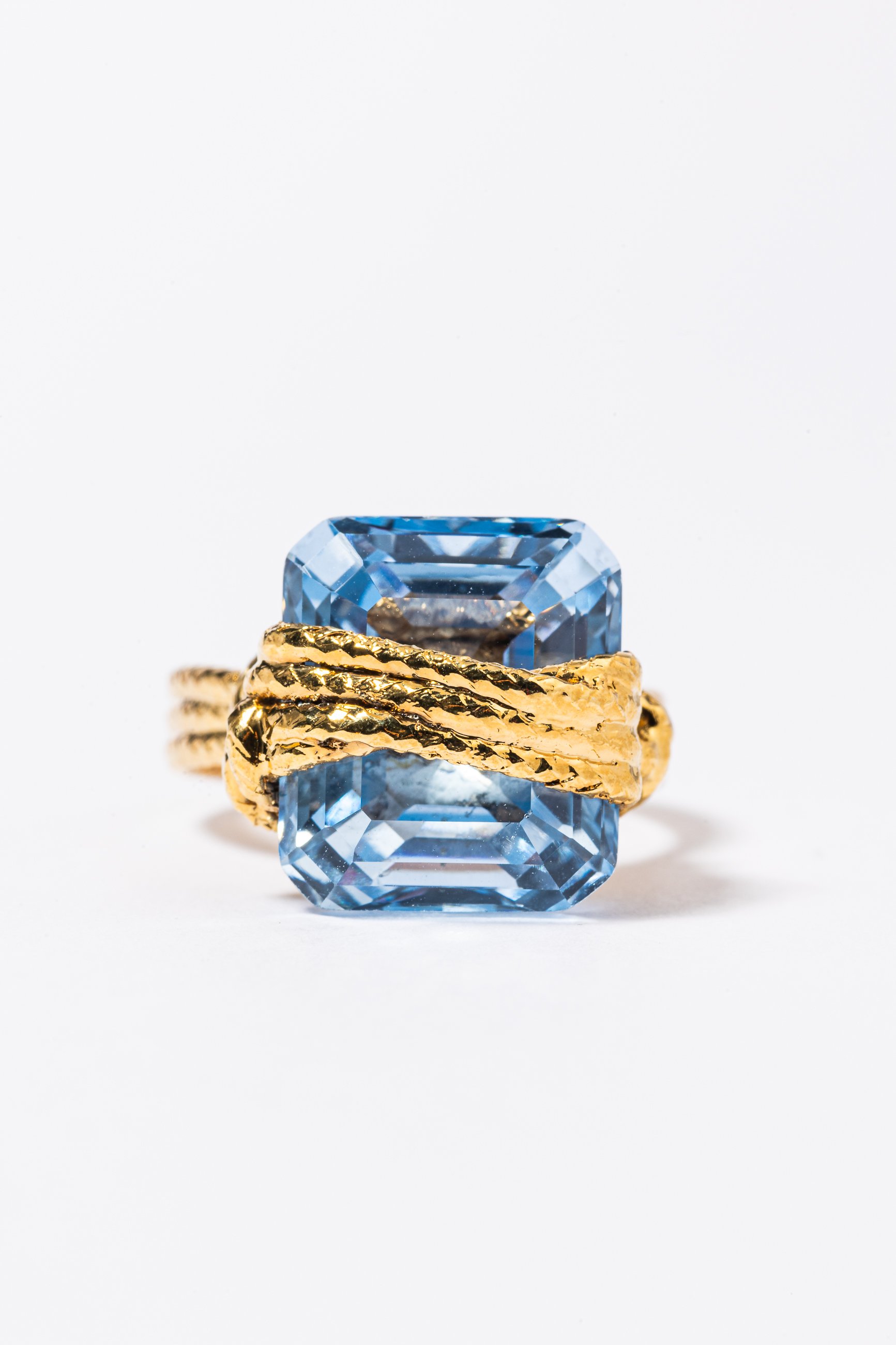

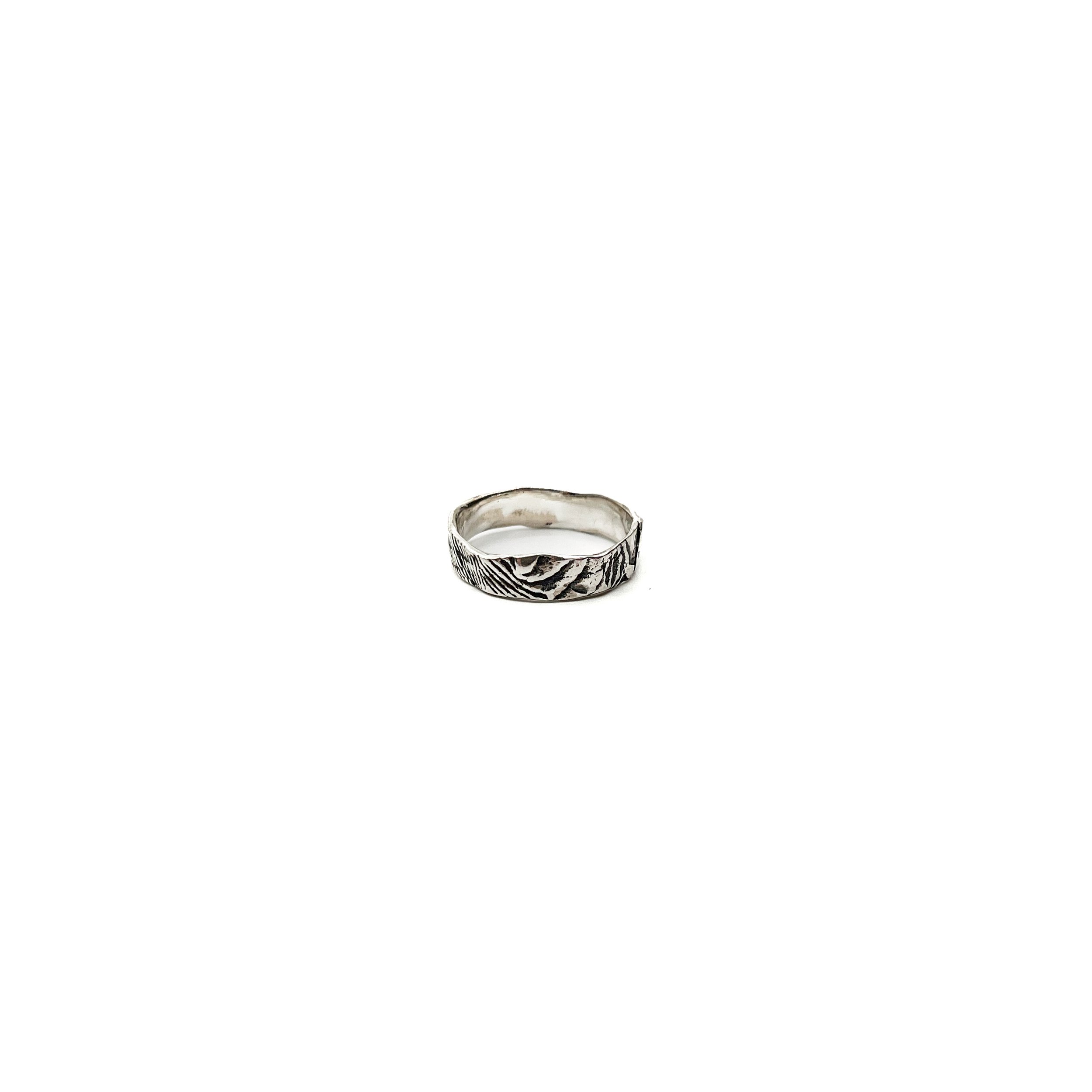
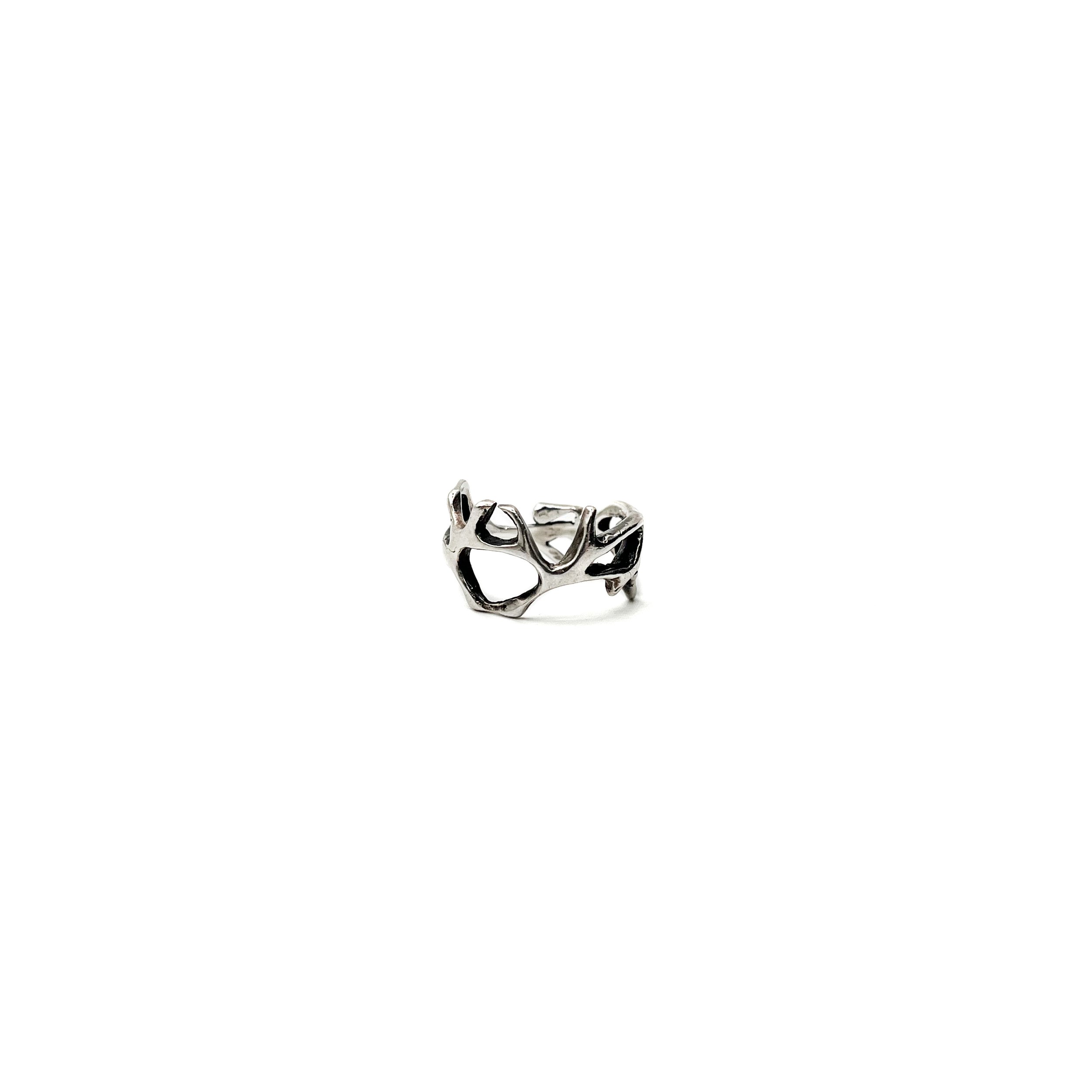
Bonbon Ring — Florence
Designed by Martina Lončar and handmade in Florence using gold-plated silver and colorful synthetic stones and crystals. Playful, architectural, and refreshingly uninterested in looking like a Renaissance relic.
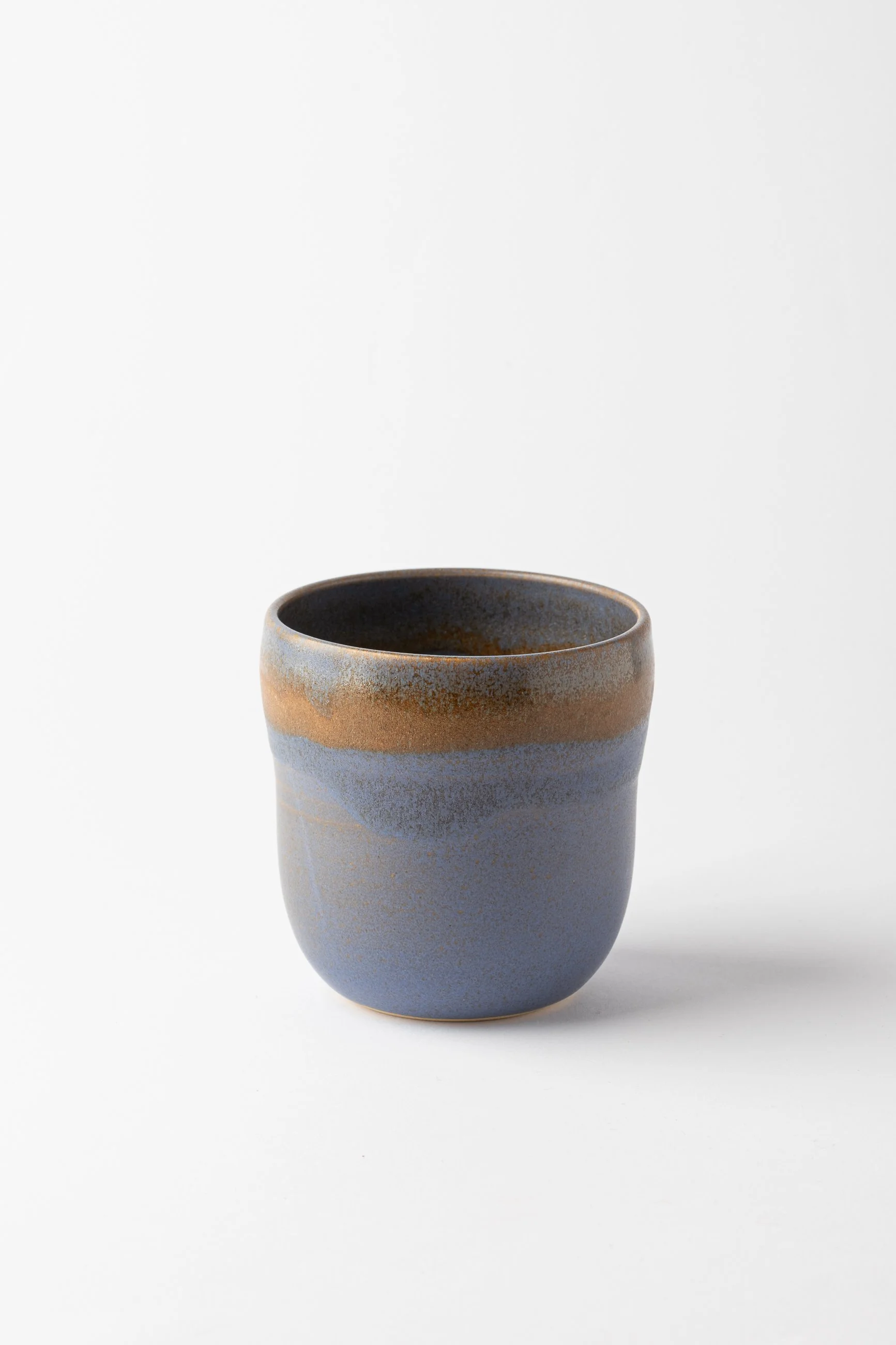
Blue Ceramic Tumbler — Tuscany
Handmade in Montevarchi, Tuscany, with layered blue glazes and a rust-colored accent. A small daily object that reveals the maker's decisions in its color, surface, and finish.
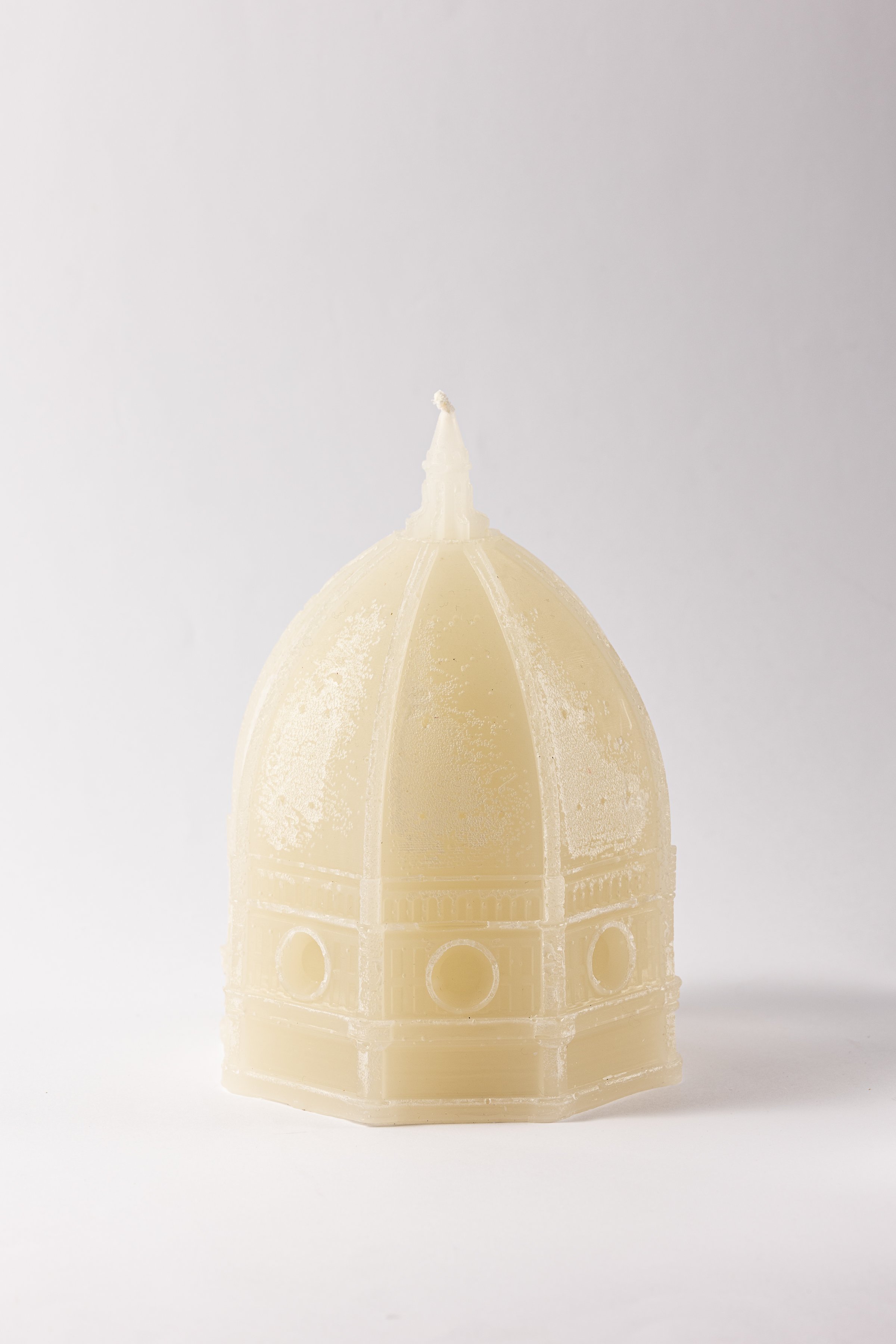
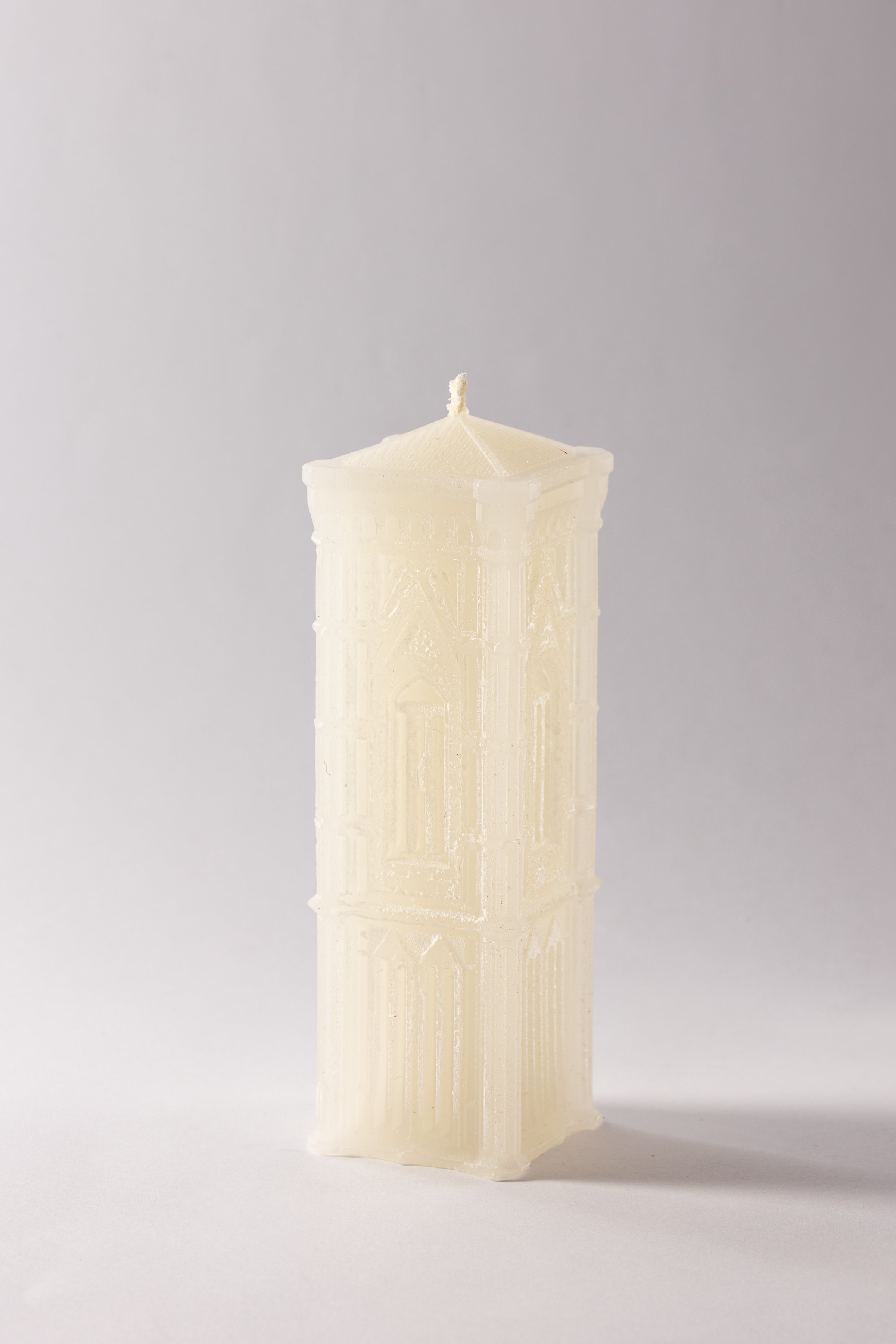

Dome Candle — Florence and Tuscany
Inspired by Brunelleschi's dome, designed in Florence, developed through production stages in Lucca and Carrara, and hand-poured in a Florentine social workshop using recovered wax from local churches.
A souvenir that connects design, craftsmanship, reuse, and a contemporary social project.
These are examples from our collection, not a guarantee of current stock. Contact us to check availability or discuss selected custom and on-request options.
What Food Should You Buy in Florence?
Not everything worth bringing home has to last forever.
Some of Florence's most characteristic purchases are edible, and some are best consumed before you reach the airport.
Extra virgin olive oil: Tuscany in a bottle
A good bottle of Tuscan extra virgin olive oil is one of the most useful culinary souvenirs.
For verified regional origin, look for Toscano IGP (PGI) or Chianti Classico DOP (PDO) on the label.
For an even more geographically specific purchase, look for Toscano IGP with the Colline di Firenze geographical indication, where available.
Choose a named producer, check the harvest information, and pay attention to packaging that protects the oil from light.
A good Tuscan oil can have grassy, bitter, and peppery notes. That peppery sensation is part of its character, not a manufacturing defect.
Avoid assuming that any bottle with a Tuscan landscape on the label contains oil produced in Tuscany.
Cantucci: wonderful, but technically from Prato
Cantucci, the almond biscuits traditionally served with Vin Santo, make excellent gifts.
They travel well, keep reasonably well when properly packaged, and are considerably easier to fit into a suitcase than a ceramic vase.
But there is a geographical detail worth knowing: the famous biscotti di Prato belong particularly to Prato, near Florence.
They are a genuinely regional purchase, not uniquely Florentine.
Look for a bakery or producer with a clear identity rather than choosing solely by the most picturesque box.
What is more specifically Florentine?
If you want to taste the city itself, visit a traditional bakery.
Schiacciata alla Fiorentina is a soft, typically Carnival-season cake, traditionally associated with orange notes and the Florentine lily decoration.
Pan di ramerino is a small sweet bread made with rosemary, raisins, and olive oil, traditionally linked to Easter.
Schiacciata con l'uva is a grape-studded seasonal specialty, particularly associated with the autumn harvest.
These are worth buying when freshly made.
They are also proof that the best souvenir sometimes lasts only until your next coffee.
Cheese, cured meats, and pantry staples
For regional products that explain Tuscany's culinary culture, look for:
Pecorino Toscano DOP: sheep's-milk cheese made within its designated production area.
Finocchiona IGP: a Tuscan cured pork specialty flavored with fennel.
Tuscan honey: ideally from a named local beekeeper or producer.
Regional preserves and legumes: choose products with traceable origins rather than generic Tuscan-style branding.
Fresh cheese and cured meat can be wonderful purchases, but they are not necessarily practical souvenirs for international travelers. Import restrictions differ by country, particularly for animal products.
For visitors returning to the United States, check current customs and agricultural import rules before buying food for the journey.
What Wine Should You Buy in Florence?
Florence is surrounded by wine country, but not every famous Tuscan wine comes from the hills immediately around the city.
If your goal is to buy something with a meaningful connection to Florence, geography is your best guide.
Chianti Colli Fiorentini DOCG: wine from the Florentine hills
This is one of the most directly relevant choices.
The production area includes hills and countryside around Florence. It is particularly worth exploring if you want a wine associated with the city and its surrounding landscape.
Look for the full designation Chianti Colli Fiorentini DOCG, together with the producer's name.
Chianti Rufina DOCG: east of Florence
The Rufina area lies to the east of Florence, toward the Apennines.
It has a long winegrowing tradition and is particularly associated with Sangiovese-based red wines.
For a traveler interested in a wine with a specific regional identity rather than simply a famous name, Chianti Rufina is an excellent place to begin.
Chianti Classico DOCG: the historic Chianti territory
Chianti Classico comes from the historic Chianti production area between Florence and Siena, including places such as Greve in Chianti and Radda in Chianti.
It is not identical to the broader Chianti DOCG designation.
Look for the Black Rooster, or Gallo Nero, the identifying symbol of Chianti Classico.
For someone visiting Florence, it is a classic choice with a genuine connection to the surrounding territory.
Vin Santo: the bottle to bring home with cantucci
If red wine isn't your preferred souvenir, consider Vin Santo del Chianti DOC.
This traditional Tuscan wine is made from grapes that are dried before vinification and is closely associated with hospitality and the end of a meal.
It is famously served with cantucci.
The combination makes a thoughtful regional gift, especially for someone unlikely to appreciate a miniature Leaning Tower of Pisa.
What about other Tuscan wines and spirits?
Brunello di Montalcino and Vernaccia di San Gimignano are genuinely Tuscan, but their origins are elsewhere in the region. They are not specifically Florentine wines.
For something less expected, explore Alchermes, a historic spiced liqueur with deep connections to Florentine and Tuscan confectionery, or the traditional white vermouth associated with nearby Prato.
And there is the Negroni, whose origin is traditionally traced to Florence. The cocktail is local history; the gin, vermouth, and bitter you buy to make one aren't automatically locally produced.
Our wine-shopping advice: choose by producer, appellation, and territory. A wine with a specific place of origin usually offers a more interesting story than a bottle marketed simply as the taste of Tuscany.
What Isn't Really Local to Florence?
Florence sells plenty of wonderful things that come from other parts of Italy.
There's nothing wrong with buying them. It simply helps to know what you're buying.
Venetian glass and masks belong primarily to Venice's craft traditions.
Limoncello is strongly associated with Southern Italy, particularly Campania, rather than Florence.
Pesto alla Genovese belongs to Liguria.
Traditional balsamic vinegar from Modena comes from Emilia-Romagna.
Parmigiano Reggiano is another excellent Italian product, but it isn't a Florentine specialty.
Prosecco comes from designated areas of northeastern Italy, not Tuscany.
Similarly, a Florence-branded apron, magnet, miniature statue, or mass-produced leather accessory has no automatic connection to local craftsmanship.
The point is not to reject everything made elsewhere. Italy has an extraordinary variety of regional traditions.
It's to stop treating Italian, Tuscan, and Florentine as interchangeable descriptions.
How to Recognize an Authentic Florentine Souvenir
You don't need to be an expert in ceramics, jewelry, or leather. You do need to ask a few sensible questions.
Who made it? A workshop, an independent designer, a family business, or an unknown manufacturer?
Where was it made? In Florence, elsewhere in Tuscany, in another Italian region, or abroad?
What is it made from? Ask about the leather, metal, stone, clay, textile, or other material.
How was it produced? Handmade, hand-finished, digitally fabricated, industrially produced, or a combination?
Can someone explain the process? A knowledgeable shop should be able to talk about the people and production behind the objects it sells.
A low price doesn't automatically mean a bad product. A high price doesn't guarantee craftsmanship, either.
And an artisan product doesn't have to be rustic.
Sometimes the most interesting object in a Florentine shop is the one that looks least like a souvenir.
For more context, read Made in Italy vs. Made in Florence: What's the Difference?.
Where to Buy Local Crafts in Florence
Traditional artisan workshops can be found in different parts of Florence, including the Oltrarno, particularly around Santo Spirito and San Frediano.
The Santa Croce area is another good place to explore independent shops, specialist businesses, and contemporary design.
Look beyond the busiest souvenir displays and pay attention to smaller collections, material details, and the identity of the makers.
Visit Florence Factory, near Santa Croce
Florence Factory is an independent concept store dedicated to contemporary Florentine and Tuscan craftsmanship.
You'll find selections of handmade jewelry, leather bags and sandals, clothing, ceramics, paper goods, candles, prints, and design objects by independent makers.
Rather than reproducing Florence's past, the collection reflects what creative people are designing and making here today.
Visit us near Santa Croce — Florence Factory, Via dei Neri 6/8R.
Open most days; hours may vary seasonally. For same-day pickup, please message or call us first: availability depends on the item and batch.
You can also explore the collection online, with worldwide FedEx shipping, tracked and insured.
For further ideas, see What Can You Bring Home from Florence to the USA?.
The Best Thing to Bring Home Is a Connection to the Place
Florence's real cultural heritage isn't limited to Renaissance masterpieces.
It also lives in the small workshops, independent studios, family businesses, and designers working across the city and the Tuscan countryside.
Some make leather bags. Others create jewelry, ceramics, paper goods, or unexpected objects using new materials and technologies.
The city's food and wine traditions tell a similar story: the most meaningful purchases are the ones whose origins you can understand.
So buy the bottle of olive oil from a named Tuscan producer. Take home cantucci from Prato. Choose a wine from the Florentine hills. Find jewelry that was actually designed and made here.
And if you fall in love with a miniature David wearing an apron, we won't judge.
We'll simply suggest that you also meet someone making something new.
Discover contemporary Florence beyond the souvenirs.
Shop Florence Factory · Explore our jewelry · Visit us near Santa Croce

Sculptural, versatile, confidently understated
Anila combines a boldpresence with remarkablycleanlines. Its elongated silhouette feels sculptural without becoming rigid, offering generous space in a shape that remains refined and easy to wear. Designed to move effortlessly between everyday routines and more considered occasions, it balances practicality with quiet elegance.
The shoulderstrap allows Anila to be carried comfortably on the shoulder or by hand, while an additional extension stored inside transforms it into a crossbody bag whenever extra freedom is needed. The spacious interior keeps the design uncluttered, favouring simplicity over unnecessary compartments and making room for the essentials—and then some.
HandmadeinFlorence from surplus leather, each Anila celebrates a slower approach to production. Slight variations in grain, texture and colour are a natural consequence of working with carefully selected surplus hides, giving every bag its own individual character while reducing unnecessary waste.
Details
Elongated shoulder bag silhouette
Convertible shoulder and crossbody design
Additional strap extension included
Spacious single interior compartment
Gold-finish stamped logo
Exterior: 100% leather
Interior: fabric lining
Handmade in Florence
Made using surplus leather
Size and measure
Height: 11.5 cm
Width: 32 cm
Depth: 9 cm
Available in
Butter
Black
Mauve
Dark Brown
Burgundy
Lime
Product note
Natural variations in the leather, including slight differences in grain, texture and colour, are part of the material's character and reflect the use of carefully selected surplus leather.
Why We Chose It
We chose Anila for the clarity of its design. It is a bag that feels contemporary without relying on trends, combining a distinctive silhouette with genuine versatility. The option to alternate between shoulder and crossbody wear makes it exceptionally adaptable, while the use of surplus leather reflects the kind of thoughtful craftsmanship we value: considered, responsible and designed to last.