
Made in Italy vs Made in Florence: what’s the difference?
You pick up a beautiful object in Florence and find three reassuring words on the label: Made in Italy.
That is useful information, but it is not the end of the story.
Italy has extraordinary manufacturing traditions spread across many regions and industries. A product can be legitimately and beautifully Made in Italy while having almost no connection to Florence. If the reason you are shopping here is that you want to understand the city’s contemporary craft culture, the more interesting questions are narrower: who designed the object, where is the workshop, who actually makes it and at what scale?
This distinction sits at the centre of Florence Factory.
We are not interested in local production simply because it is local. We select emerging designers, contemporary artisans and small workshops because we want to understand what Florentine and Tuscan craftsmanship look like now, not what tourists expect them to look like.
Made in Italy is an origin. Made in Florence is a closer look.
The phrase “Made in Italy” covers a remarkably broad landscape. Italy produces everything from industrial furniture to couture, shoes, ceramics, eyewear, jewelry and leather goods at very different scales and levels of craftsmanship. For us, Made in Florence means zooming in.
It asks us to consider not only the country of production but the relationship between the designer, the workshop, the material and the place. Two bags may both carry an Italian label while having completely different stories: one may be produced in large quantities through an industrial supply chain, while another may be cut, stitched and finished by a handful of people in a small Florentine atelier.
Neither description alone tells you whether you will like the bag. But they describe very different ways of making.
Florence Factory exists because we believe those differences are worth making visible.
We select, rather than accumulate
Being local is not enough to enter our collection.
A product can be handmade in Tuscany and still be badly designed. A workshop can be historic and still produce things we do not find interesting. Tradition is not a guarantee of contemporary relevance, just as novelty is not automatically innovation.
Our role is therefore curatorial.
We look for quality of materials, construction, originality, proportion, usefulness and a clear design idea. We want to know who is making the piece and whether that person remains meaningfully connected to its production. Then we choose.
Florence Factory currently works with around 40 artisans and designers rather than attempting to represent every local producer.
That limitation is intentional. A selection only has value if something is left out.
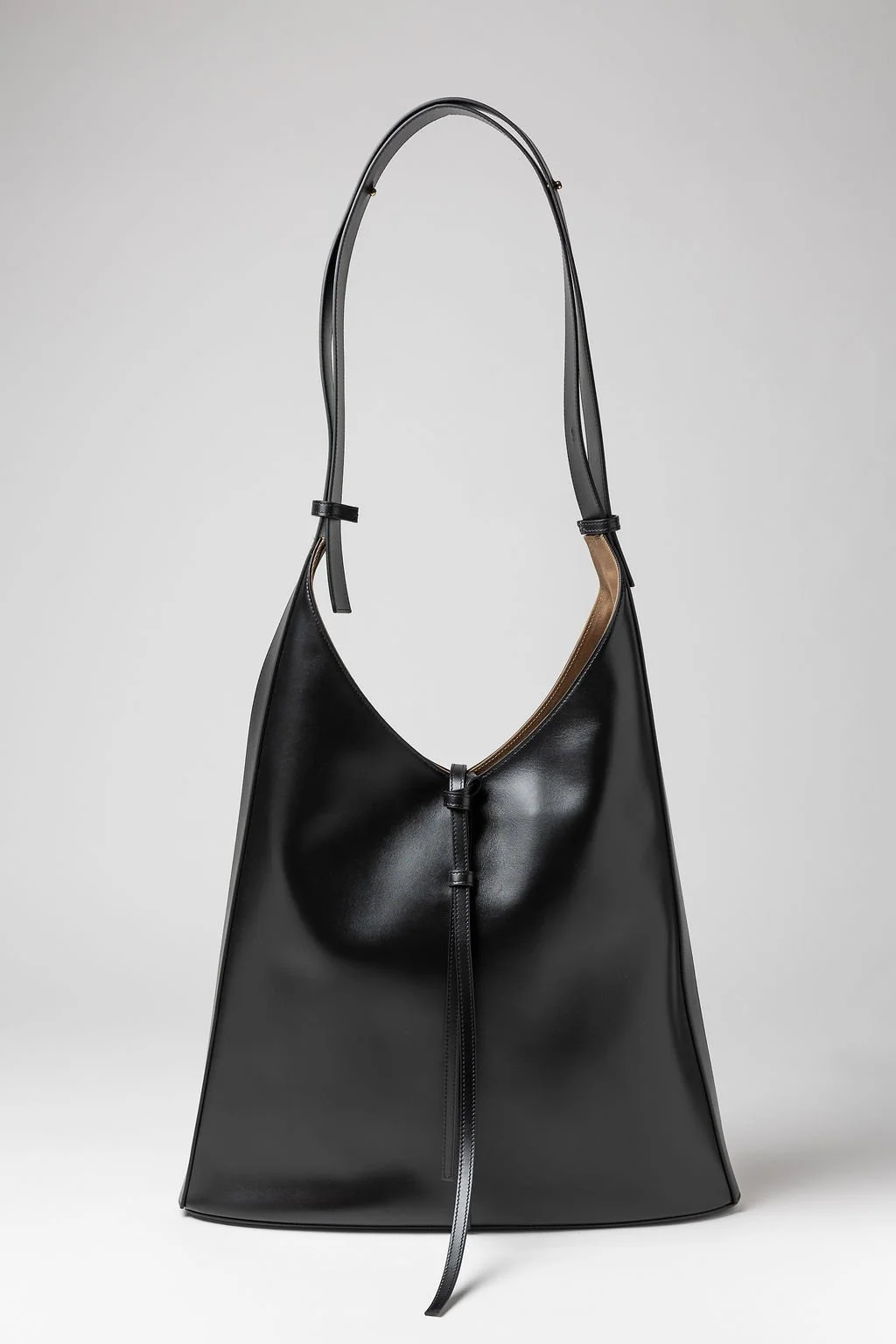
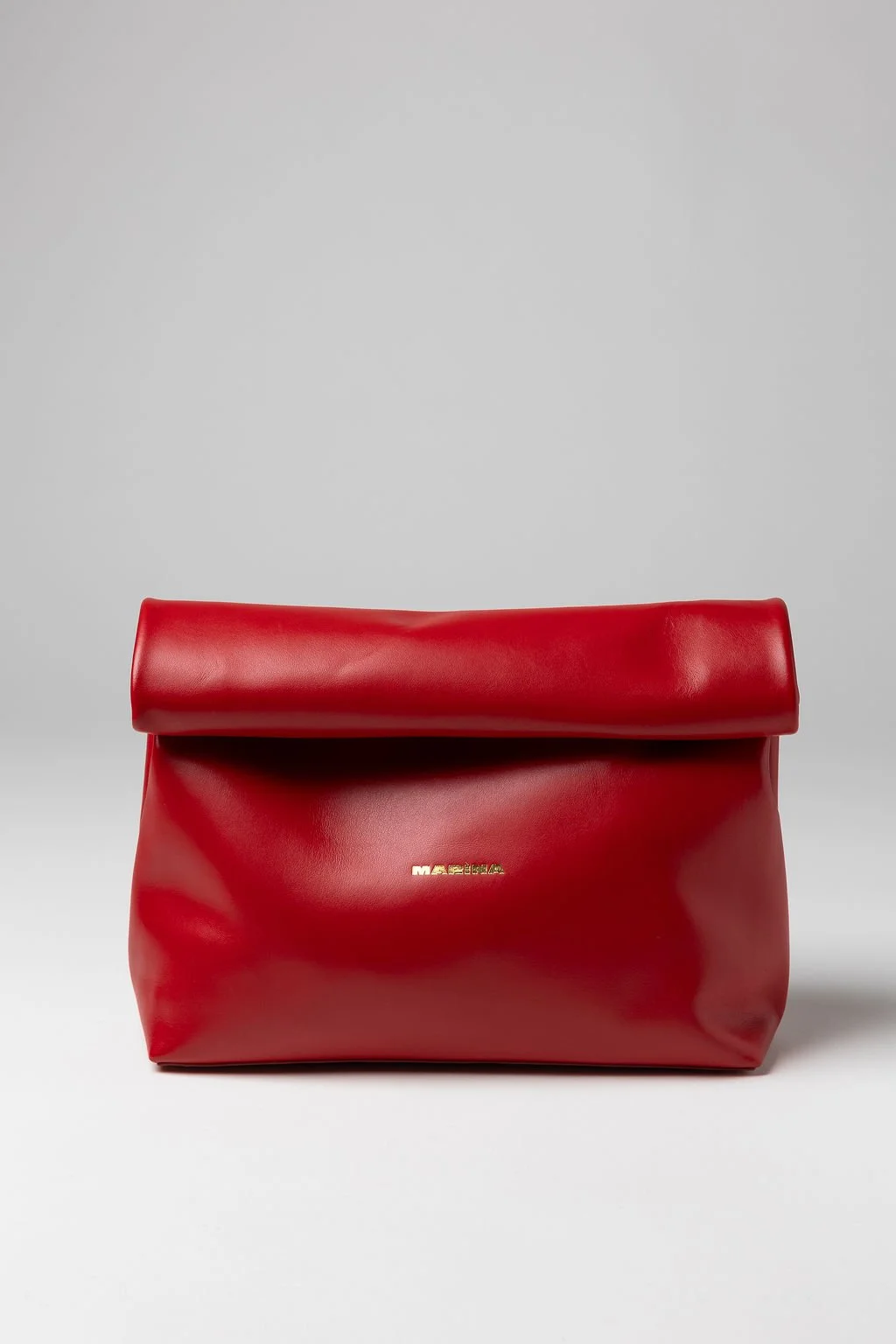
Why micro-production matters to us
Everything we select is handmade in very small quantities, and many pieces are unique or produced only a handful of times.
This affects the entire shopping experience.
Colours disappear. Materials change. A size may not be available on the day you visit. A collection can arrive in a few pieces rather than several boxes. Some products never reach the website because they sell before there is any practical reason to photograph and catalogue them.
From a conventional retail perspective, this is inefficient.
From our perspective, it is exactly what allows small workshops to remain small.
We do not want artisans to manufacture hundreds of identical objects simply so our shelves always look full. We prefer to work around the natural rhythm of their production.
When something is unavailable, we often ask whether it can be made.
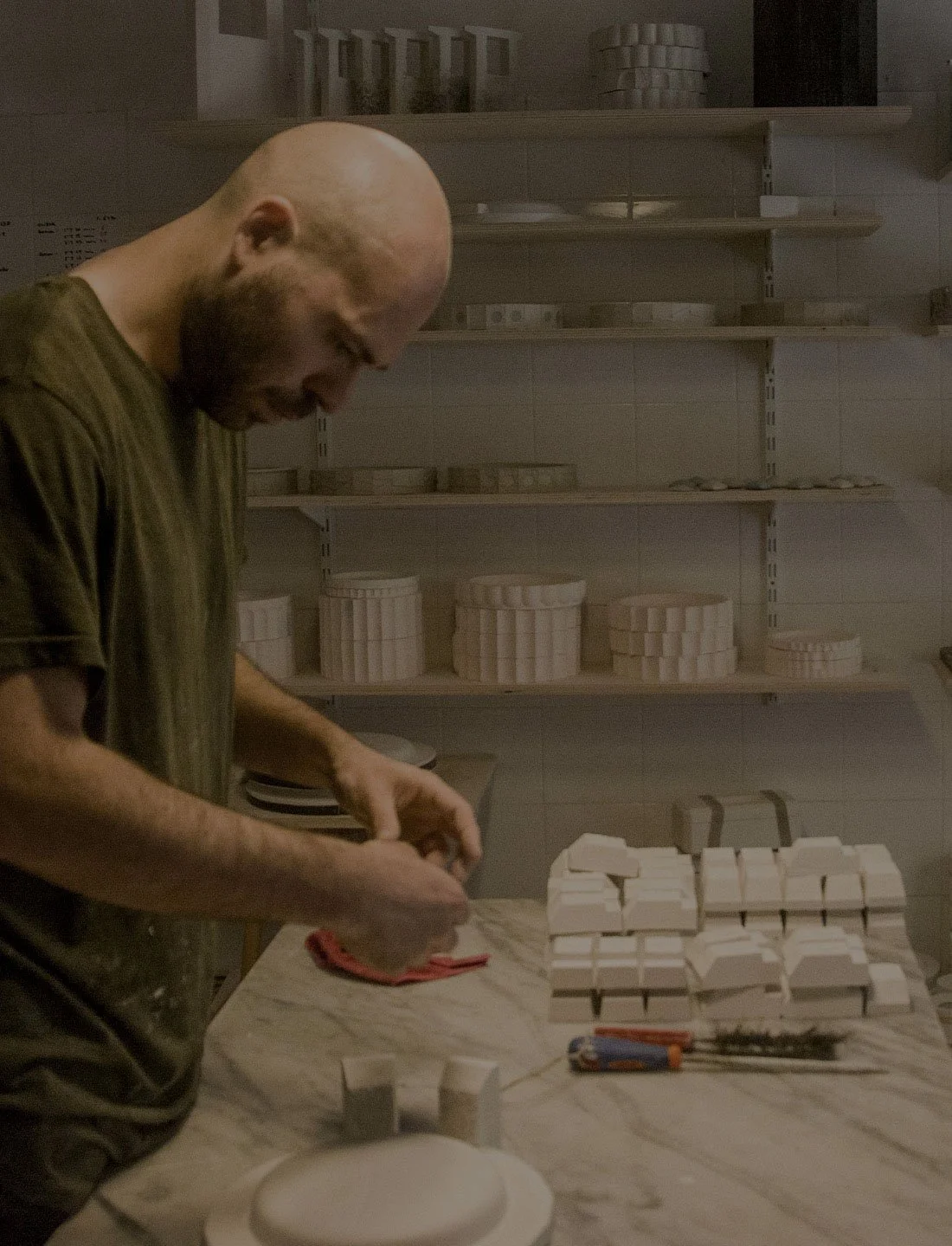
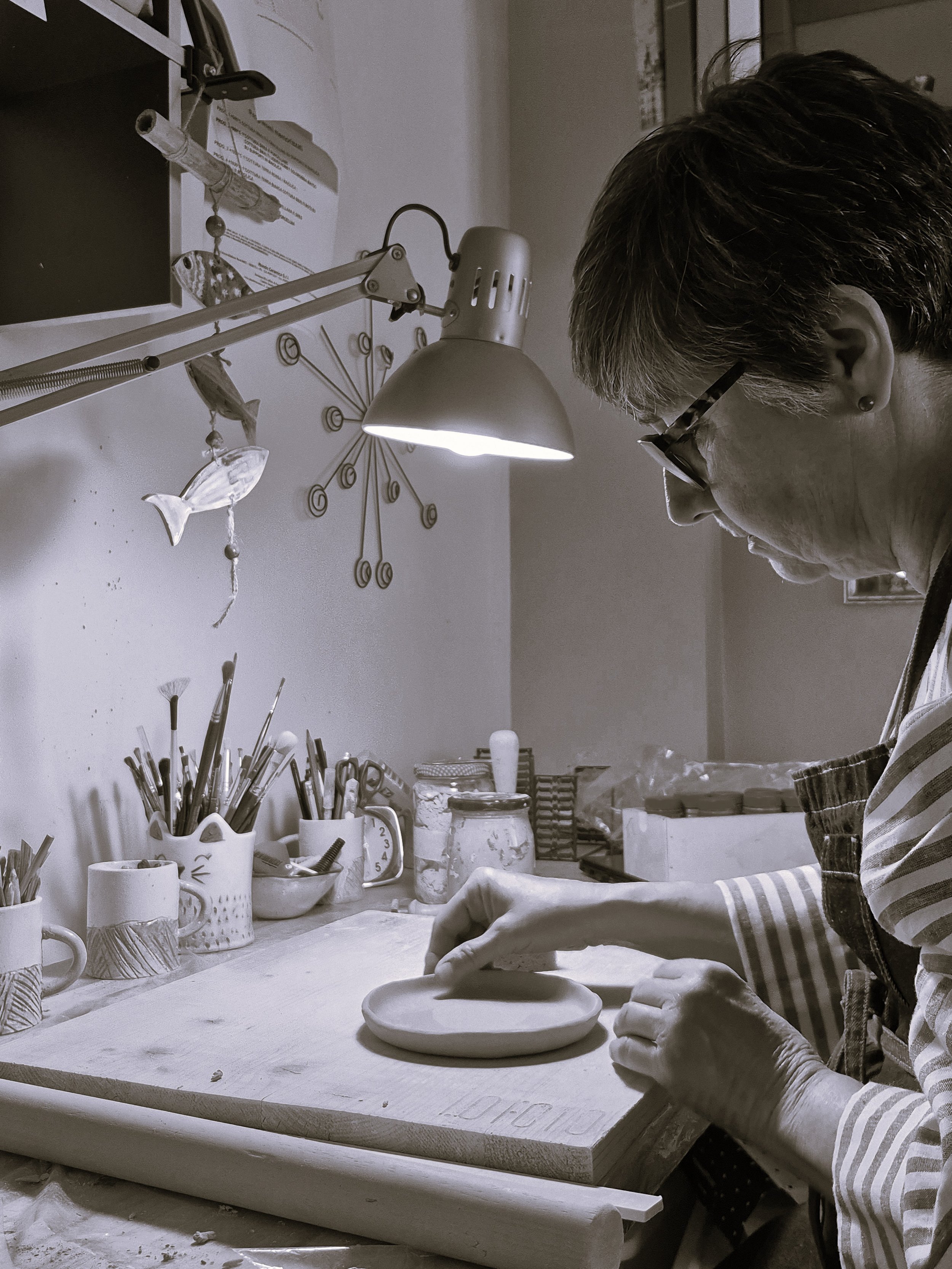

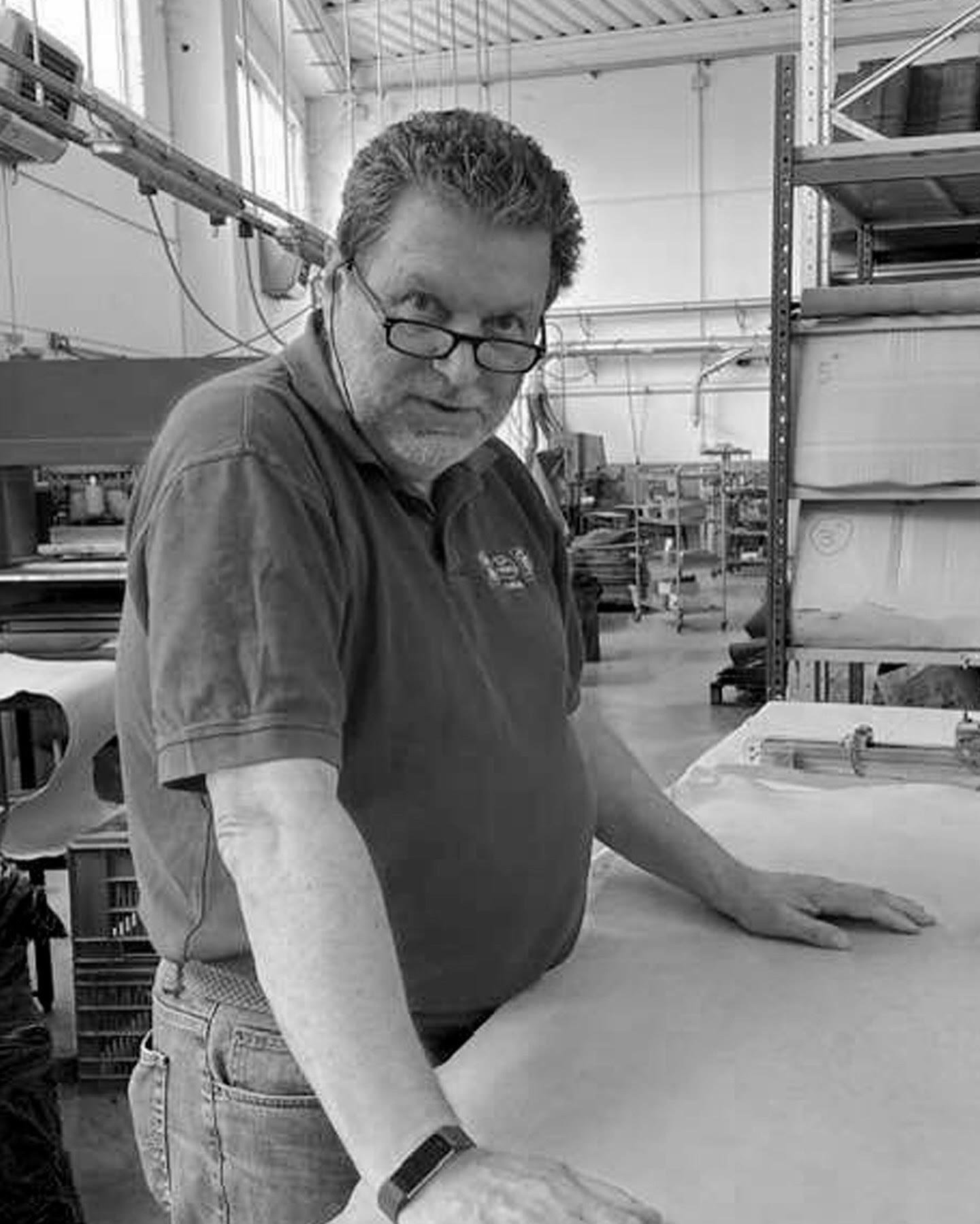


Personalisation is part of the value
The direct relationship with the maker creates another possibility that mass production tends to remove: adaptation. According to the best artisan tradition, many products in the Florence Factory collection can be customised or made to order.
Sometimes this is straightforward, such as asking a jewelry designer to make a ring in a different size. In other cases it may involve a colour, material or small variation agreed with the artisan. Not every object can be changed, and we do not think customization should be forced simply for the sake of calling something bespoke.
What matters is that the conversation remains possible.
We like objects that can respond to the person buying them rather than requiring every customer to fit neatly into whatever the industrial production line decided to make.
Contemporary craft should look contemporary
Florence has such an extraordinary historical identity that its crafts are often expected to remain visually attached to the past.
We resist this idea.
A genuinely Florentine object does not need a Renaissance pattern, traditional brown leather or a fleur-de-lis. A local jewelry designer can work with geometric abstraction. A leather artisan can collaborate with an airbrush artist. A ceramicist can produce something minimal enough to look Scandinavian while still making it in a Tuscan workshop.
The location is in the process, not necessarily in the decoration.
This is one of our strongest criteria when selecting new makers. We are looking for people who know their materials and techniques but are not frightened of changing the visual language around them. Craftsmanship should preserve knowledge, not freeze taste.
A historic workshop and a new designer can have equal value
We are equally cautious about assuming that age automatically means quality.
Florence is full of businesses that legitimately have long histories, and many are exceptional. But a date above a doorway does not tell you whether the object in your hand was actually produced there.
At the same time, a young designer who established a studio three years ago may be doing extraordinary work with techniques learned through years of training.
For Florence Factory, the question is not “how old is the business?” but “what is happening inside it now?”
We select contemporary artisans, emerging designers and established workshops according to the work they are producing today.
Local craftsmanship should also make economic sense
Small-scale production has real costs.
Materials cost money. Workshops cost money. Hardware, tools, prototyping and specialised processes cost money. Most importantly, skill costs money because learning a craft takes years.
Our approach to pricing follows the same logic we apply to selection. We want the final price to contain three fair values: one for the artisan, one for the work Florence Factory does in research, curation and commercialisation, and one for the customer.
A sustainable craft ecosystem cannot exist if the maker is squeezed until the price looks attractive, and customers should not pay an inflated premium simply because an object comes with a romantic story.
The price should make sense when you understand the process behind it.
This is another reason provenance matters. It gives the price context.
What Florence Factory actually adds
If all we did was place local objects on shelves, the word “curation” would mean very little.
Our work begins before the product reaches the store. We look for makers, visit workshops, evaluate collections, discuss materials and understand how production works. We decide what fits our edit and what does not.
Once an object reaches Florence Factory, the second part of the work begins: explaining it.
We want visitors to know who made the piece, where, how and why we selected it. For international customers we also provide assistance in several languages, tax-free shopping for eligible visitors, international shipping and gift wrapping. When possible, we coordinate made-to-order pieces, missing sizes and personalisations directly with the artisan.
These practical services are part of our model, not extras attached at checkout. They allow a traveler from New York, London or Tokyo to buy from a tiny Florentine producer without that producer needing to build an international retail operation.
We can scale access without asking the artisan to scale production.
That distinction is fundamental to us. Visiting us is our favourite way to explain you our vision.
How can you tell if something really belongs to Florence?
We would not search for a single authenticity test. Instead, look for consistency between the story and the object.
Can the shop identify the maker? Does it know where the workshop is? Can someone explain the material and technique? Does the quantity on display make sense for the production being described? Can the retailer contact the artisan if a size or variation is needed?
The answers do not need to be romantic. In fact, practical answers are often more reassuring than romantic ones.
“We know the designer; she works twenty minutes from here and can make your size next week” tells you considerably more than “ancient Florentine tradition.”
Why does this matter to a traveler?
Because global retail has made availability almost meaningless.
You can find the same international brands in Florence, New York, Paris and Singapore. You can order Italian products without leaving your sofa.
The interesting privilege of being physically in Florence is therefore not access to things. It is access to context.
You can hold two pieces and compare them. Ask questions. Learn about the person who made something. Discover a designer you did not know existed. Request a different size. See a surface or material that photographs badly but feels extraordinary in your hands.
That is what local shopping can still offer that global ecommerce cannot completely reproduce. This i s what our online shop is the only can offer.
The Florence Factory idea
The name Florence Factory is intentionally a little contradictory.
We do not own a factory producing thousands of identical objects.
Our “factory” is the network around us: approximately 40 local artisans and designers, small workshops, specialist skills, contemporary ideas and collaborations spread across Florence and Tuscany.
We search through that landscape, make choices and bring the pieces we believe in together.
What interests us about Made in Florence is therefore not a label. It is proximity.
Proximity to the maker, to the workshop, to the material and to the decisions that shaped the finished object.
That is what allows us to know what we are selling. And, more importantly, to explain why we chose it.
FAQ: Made in Italy vs Made in Florence
Is Made in Italy the same as Made in Florence?
No. Made in Italy describes a national origin under applicable rules, while Made in Florence is a much more geographically specific description connecting production directly to the city.
Does Made in Italy mean handmade?
No. Both industrial and artisanal products can legitimately be made in Italy.
Is everything sold in Florence made locally?
No. Florence is an international retail and tourism destination, so products sold here may come from Florence, elsewhere in Italy or abroad.
Does Florence Factory sell only products made locally?
Florence Factory focuses on handmade work from Florence and Tuscany, selected from approximately 40 independent artisans and designers.
Are Florence Factory products mass produced?
No. The selection is based on micro-producers and very limited runs, with many products available only in small quantities or as unique pieces.
Can Florence Factory products be customised?
Many can. Made-to-order sizes and personalisations are possible depending on the product, designer and technique.
Why buy from Florence Factory instead of directly from a workshop?
Visiting individual workshops can be a wonderful experience. Florence Factory offers a complementary service: a curated selection from many independent makers in one place, regular opening hours, multilingual assistance, tax-free support, worldwide shipping and direct coordination with artisans for many made-to-order requests.

Sculptural, versatile, confidently understated
Anila combines a boldpresence with remarkablycleanlines. Its elongated silhouette feels sculptural without becoming rigid, offering generous space in a shape that remains refined and easy to wear. Designed to move effortlessly between everyday routines and more considered occasions, it balances practicality with quiet elegance.
The shoulderstrap allows Anila to be carried comfortably on the shoulder or by hand, while an additional extension stored inside transforms it into a crossbody bag whenever extra freedom is needed. The spacious interior keeps the design uncluttered, favouring simplicity over unnecessary compartments and making room for the essentials—and then some.
HandmadeinFlorence from surplus leather, each Anila celebrates a slower approach to production. Slight variations in grain, texture and colour are a natural consequence of working with carefully selected surplus hides, giving every bag its own individual character while reducing unnecessary waste.
Details
Elongated shoulder bag silhouette
Convertible shoulder and crossbody design
Additional strap extension included
Spacious single interior compartment
Gold-finish stamped logo
Exterior: 100% leather
Interior: fabric lining
Handmade in Florence
Made using surplus leather
Size and measure
Height: 11.5 cm
Width: 32 cm
Depth: 9 cm
Available in
Butter
Black
Mauve
Dark Brown
Burgundy
Lime
Product note
Natural variations in the leather, including slight differences in grain, texture and colour, are part of the material's character and reflect the use of carefully selected surplus leather.
Why We Chose It
We chose Anila for the clarity of its design. It is a bag that feels contemporary without relying on trends, combining a distinctive silhouette with genuine versatility. The option to alternate between shoulder and crossbody wear makes it exceptionally adaptable, while the use of surplus leather reflects the kind of thoughtful craftsmanship we value: considered, responsible and designed to last.