
What can you bring home from Florence to the USA?
Finding something to buy in Florence is very easy. Deciding what is actually worth taking home is more complicated.
The city is exceptionally good at producing souvenirs of itself. David appears on aprons, magnets and objects Michelangelo probably never imagined. Leather bags hang outside shops in apparently infinite quantities. Renaissance patterns are printed on everything from notebooks to kitchen accessories.
At Florence Factory, we begin from a different idea: the best object to bring home from Florence does not need to say Florence on it.
It should carry the city in another way — through the person who made it, the workshop it came from, the material, the technique and the contemporary culture behind it.
This is the principle we use when selecting the roughly 40 independent artisans and designers represented at Florence Factory. We choose local, handmade work produced in small quantities rather than objects designed specifically to perform “Florentinity” for tourists.
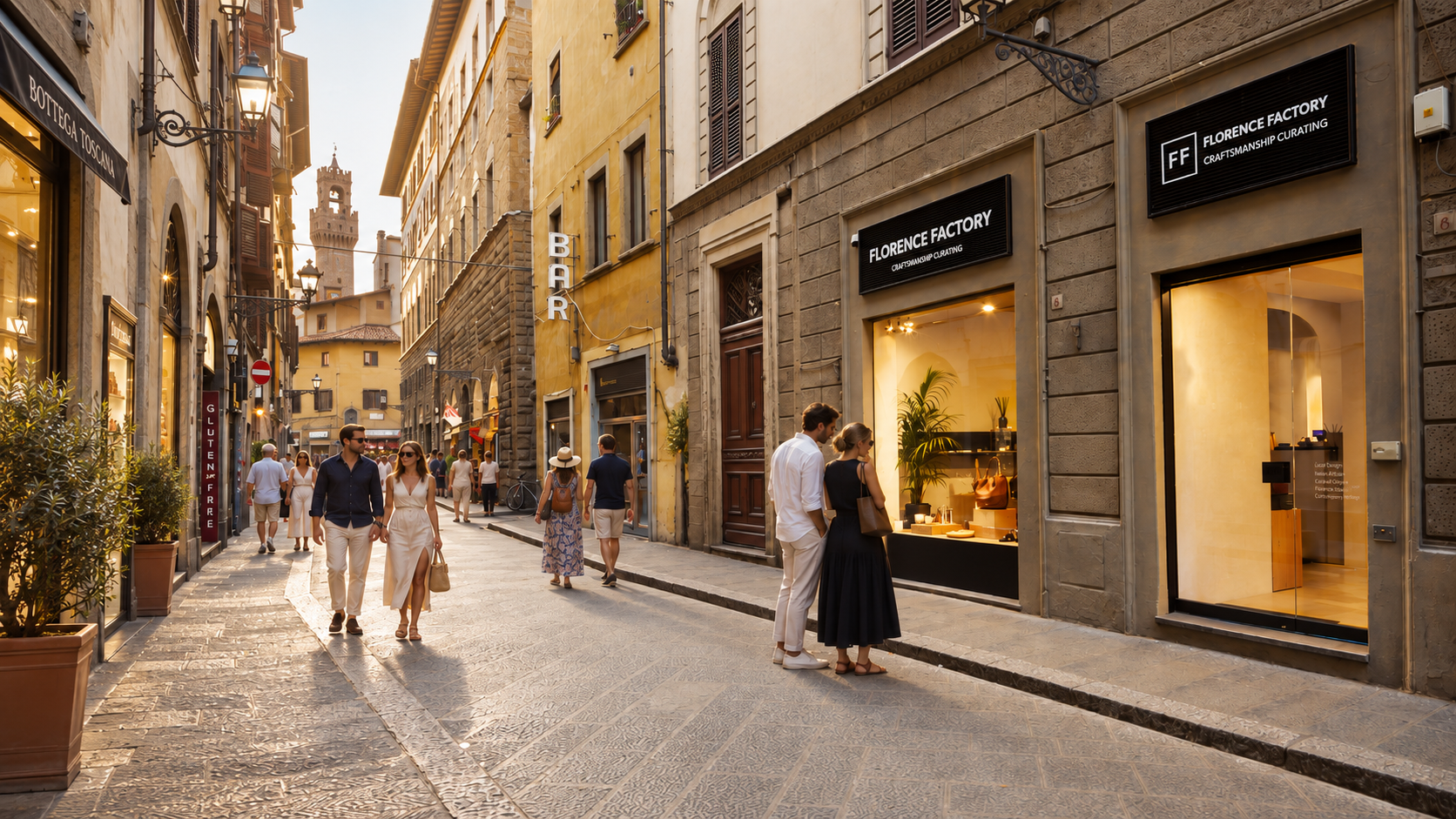
Florence Factory is in via dei Neri 6/8r in Florence on your pat from Piazza della Signoria to Santa Croce
Start with a better definition of souvenir
The word “souvenir” has acquired an unnecessarily bad reputation because we tend to associate it with cheap objects bought quickly at the end of a trip.
There is nothing wrong with wanting something that reminds you of a place. The question is what kind of memory you want to take home.
We prefer what we think of as a cultural souvenir: an object connected to the place through production rather than decoration.
A bag made by a Florentine leather artisan qualifies. A piece of jewelry designed and made locally qualifies. So does a print by a contemporary artist, a handmade ceramic or a notebook produced by someone whose workshop you could actually visit.
The value is not in having “Firenze” printed on the front. It is in being able to answer the question: who made this?
Leather: buy the workshop, not the mythology
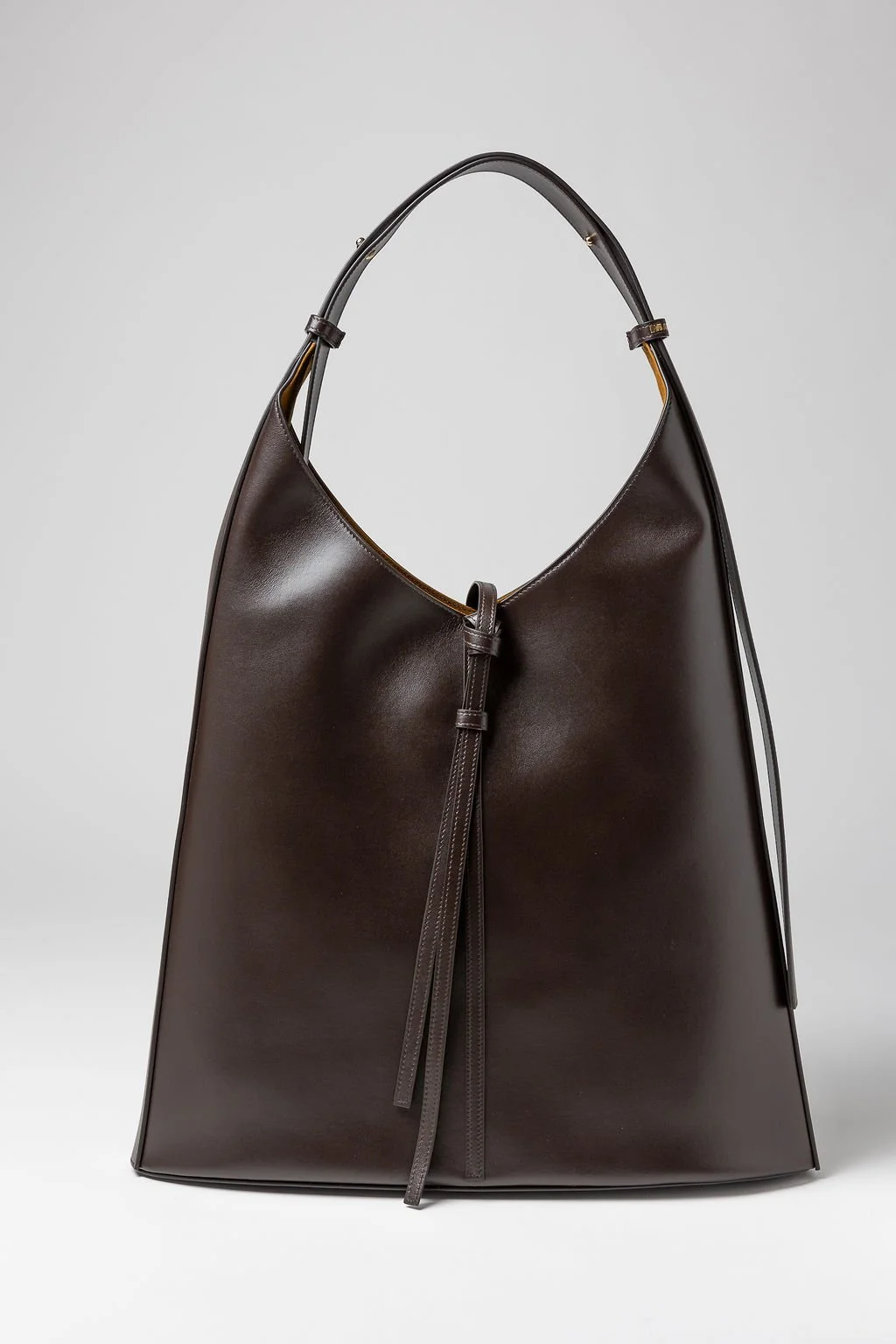
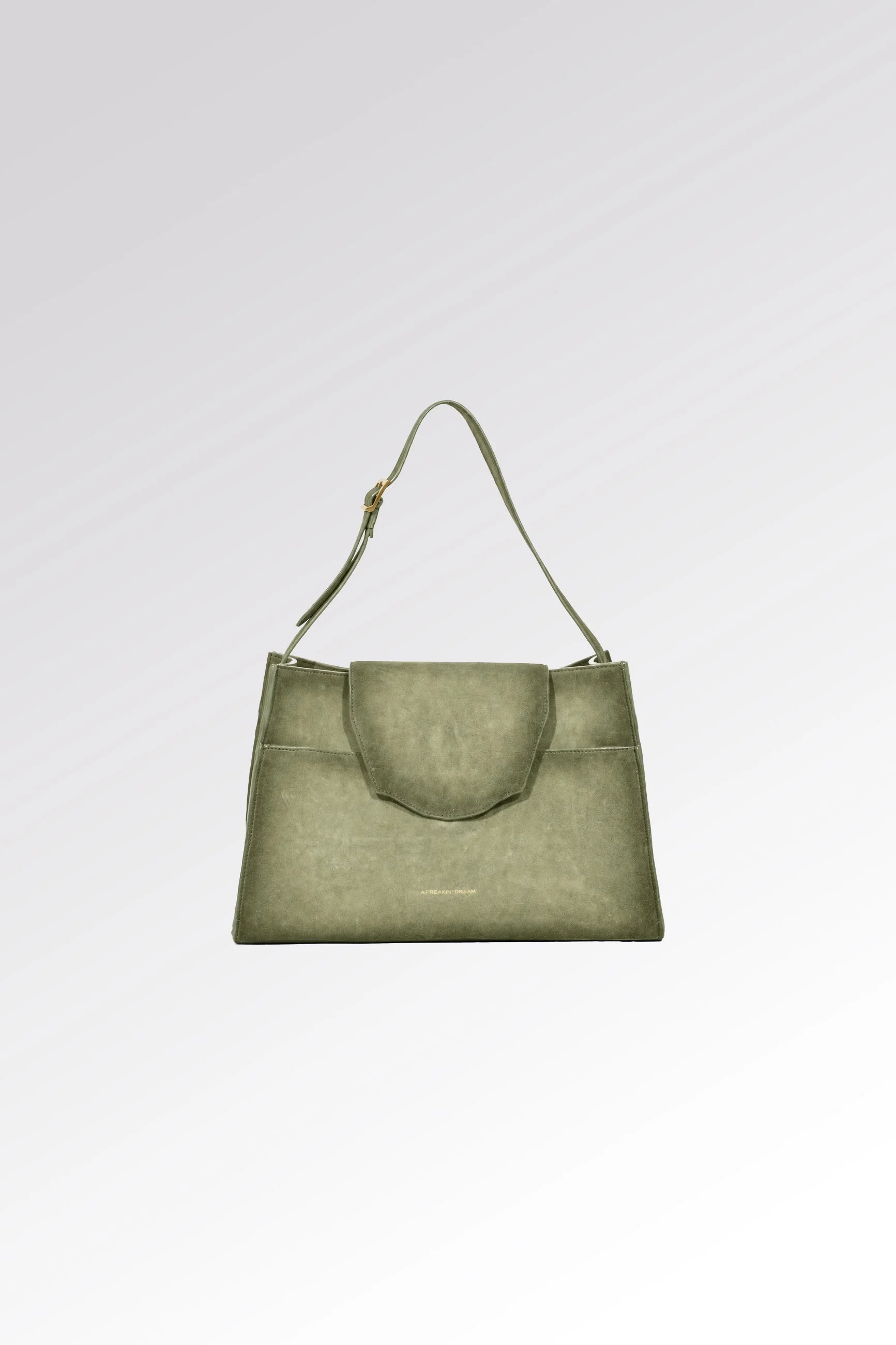
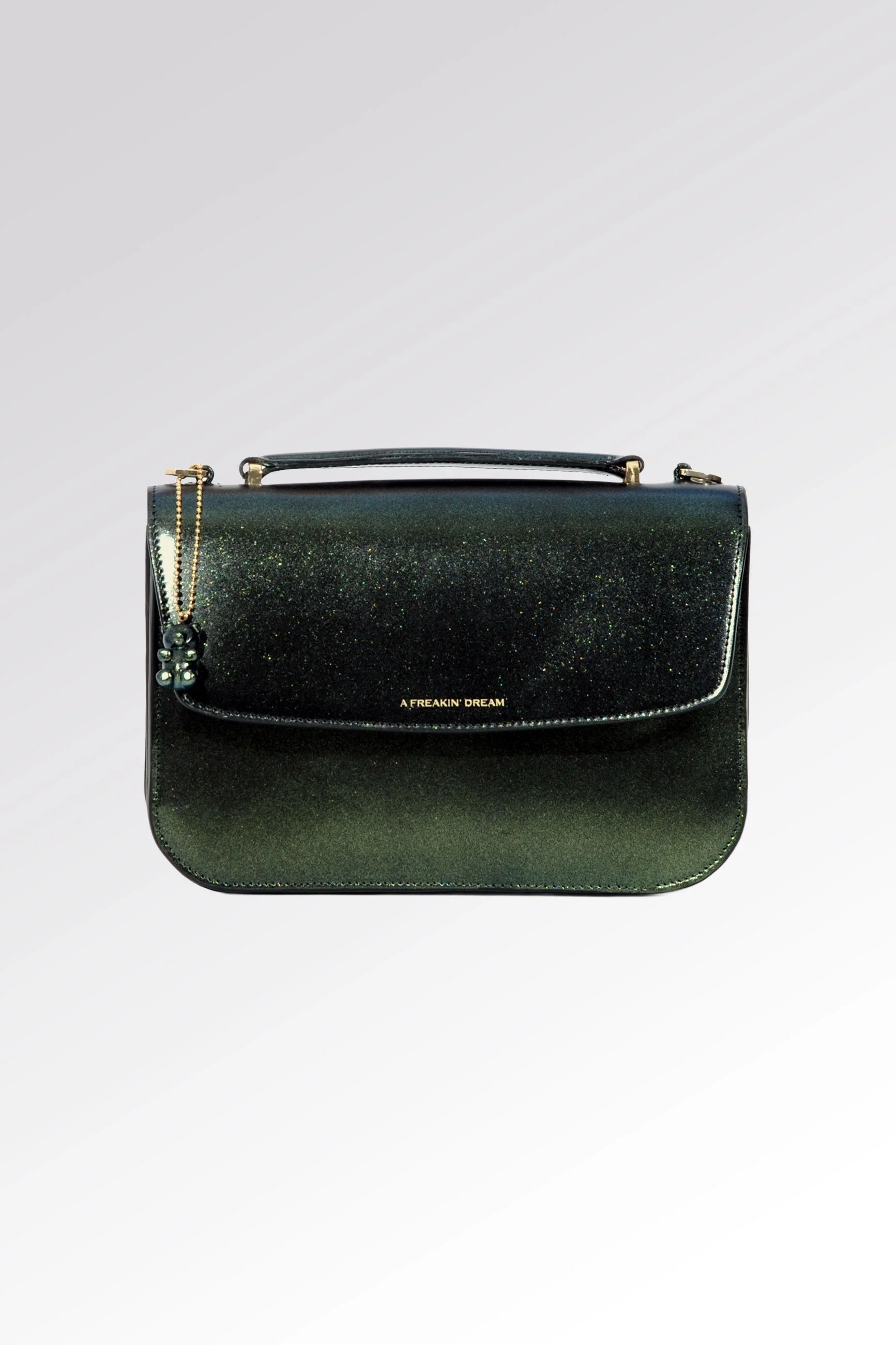
Leather is one of the obvious things to buy in Florence, but the sheer quantity sold in the city makes it one of the categories where selection matters most.
We are not interested in leather simply because it is leather. At Florence Factory we look at construction, material choice, hardware, finishing, provenance and whether the design offers something beyond the generic idea of a “Florentine leather bag.”
We also deliberately select micro-productions. Some bags arrive in only a few pieces, and some are individually finished so that subtle variations are part of the final object. If a model disappears, it may genuinely be because the artisan has not made another one yet.
For us, this is more interesting than artificial exclusivity. It is simply the natural scale of a small workshop.
If you want to understand what we look for in detail, read our guide to Why Florence Is Famous for Leather, where we discuss stitching, hardware, pricing, shop presentation and the difference between something sold in Florence and something genuinely made here.
Jewelry: go beyond the obvious route
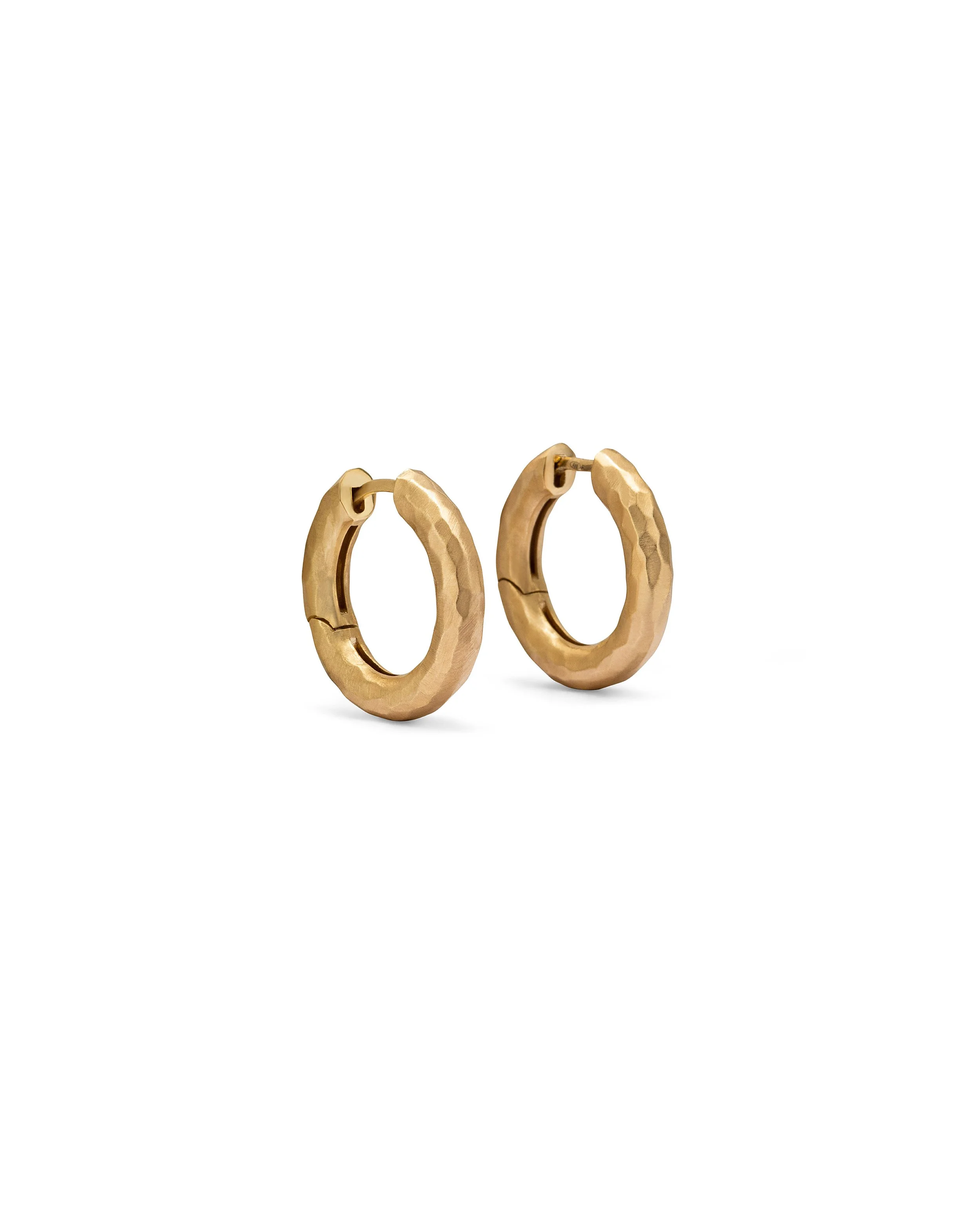
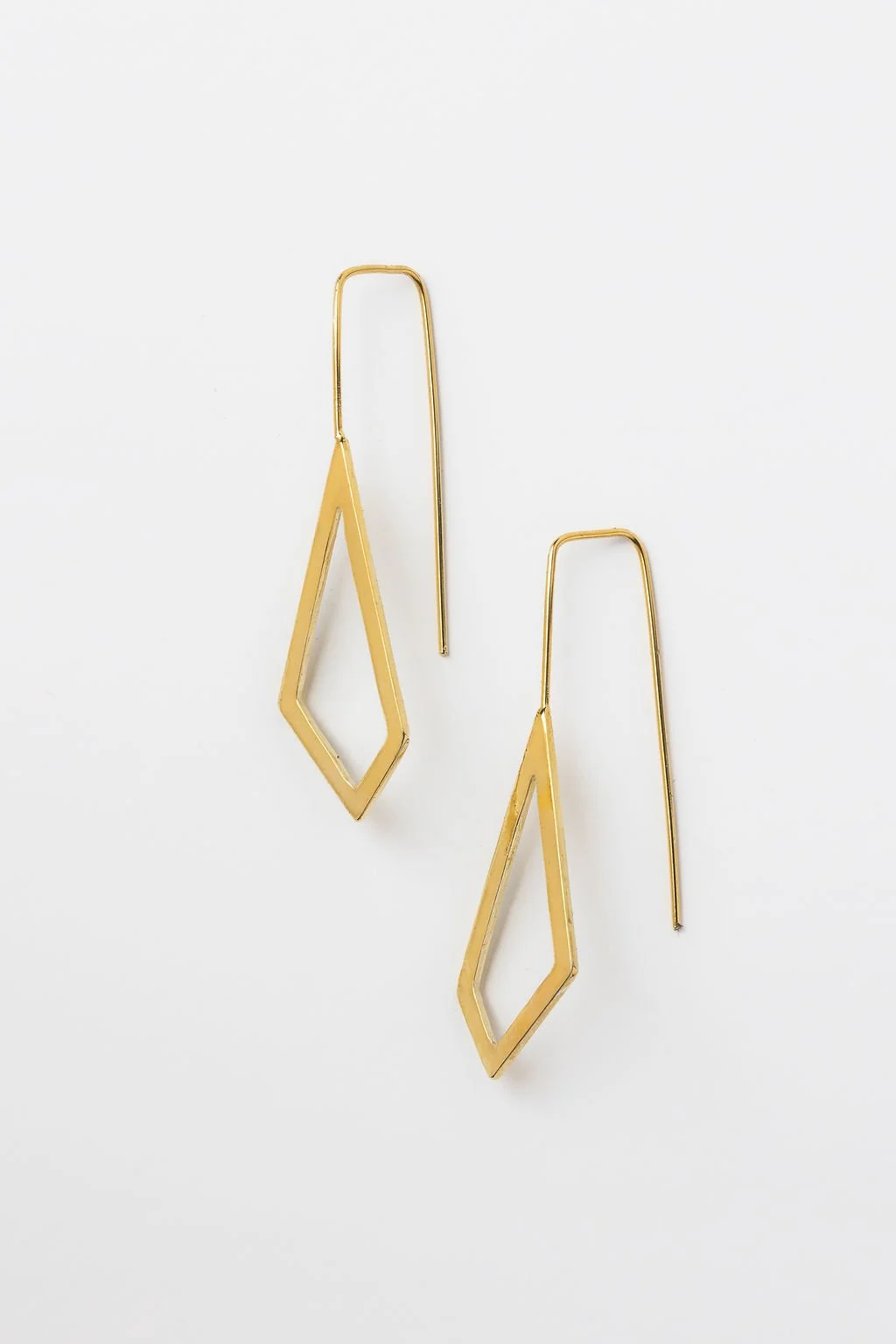
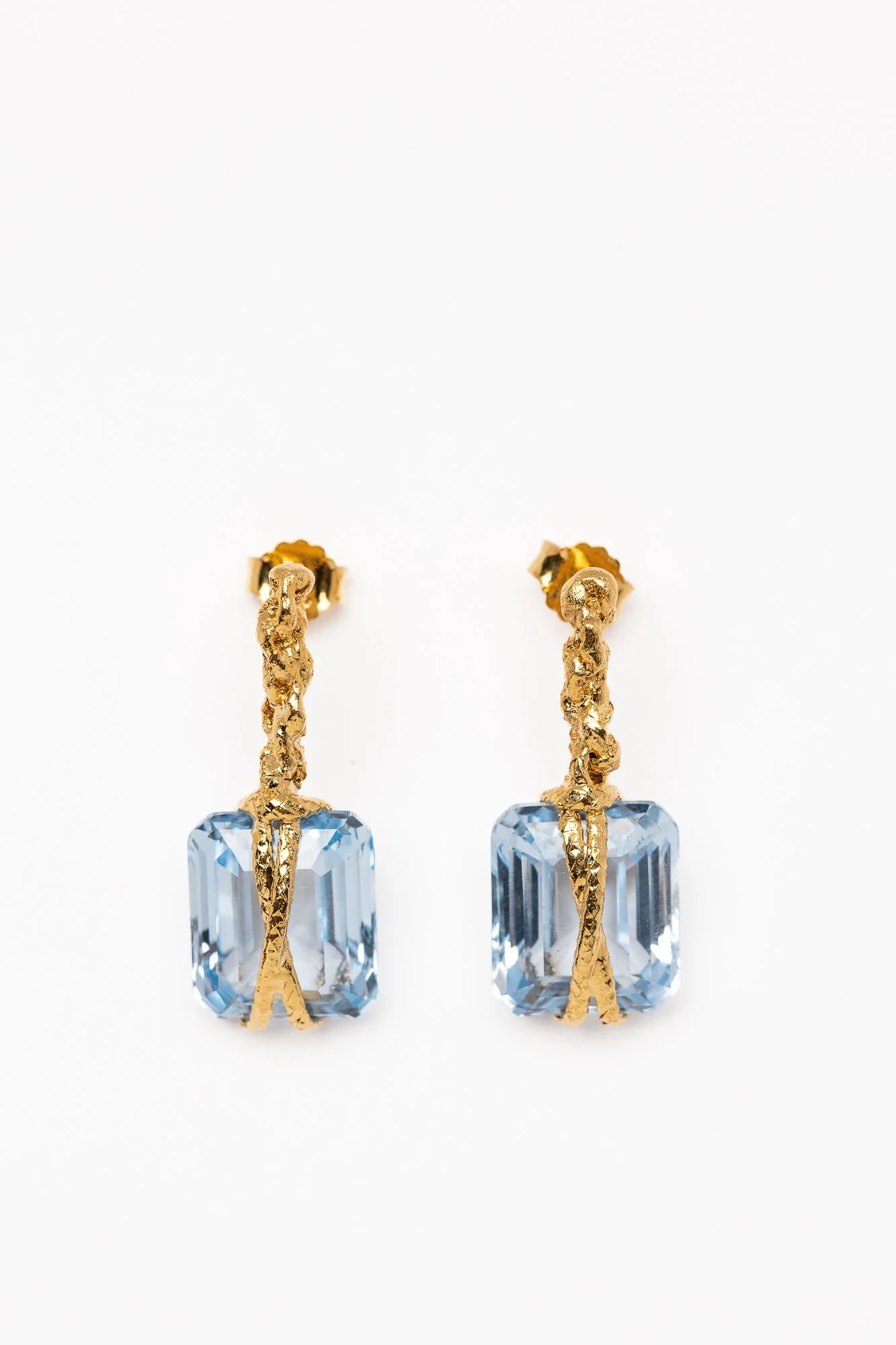
Ponte Vecchio is an important part of Florence’s jewelry history, but contemporary jewelry is one of the categories where Florence Factory has developed its strongest point of view.
We bring together around 10–20 designers making jewelry by hand in Florence and Tuscany, generally in very limited runs and sometimes as unique pieces. Rather than focusing only on traditional solid-gold jewelry, our edit includes silver, gold-plated silver, stones and mixed techniques, selected for design, proportion, originality and wearability.
This creates a genuine alternative for visitors who appreciate Florentine craftsmanship but do not necessarily want traditional Florentine styling.
It also allows something larger shops cannot always offer: direct access to the maker. If a ring is not available in your size, we can often have it made. Depending on the designer and the technique, small personalisations may also be possible. Once completed, the piece can be shipped internationally.
For us, personalization is one of the strongest arguments for buying from small production. You are not simply choosing between whatever sizes happen to be on the shelf; the object can sometimes adapt to you.
Art should not have stopped in the Renaissance
Florence has so much extraordinary historic art that visitors can easily leave with the impression that artistic production here ended several centuries ago.
We think buying a work by someone creating in Tuscany today is one of the best ways to challenge that idea.
A print, drawing, illustration, photograph or small sculptural piece can say much more about contemporary Florence than another reproduction of a masterpiece you already saw perfectly well in the museum.
Our own selection follows the same principle as the rest of Florence Factory: we look for independent work with a clear visual identity, made in limited numbers and connected to the local creative scene.
Florence does not need another copy of the Renaissance. It needs people continuing to make things.


Ceramics and objects for the home
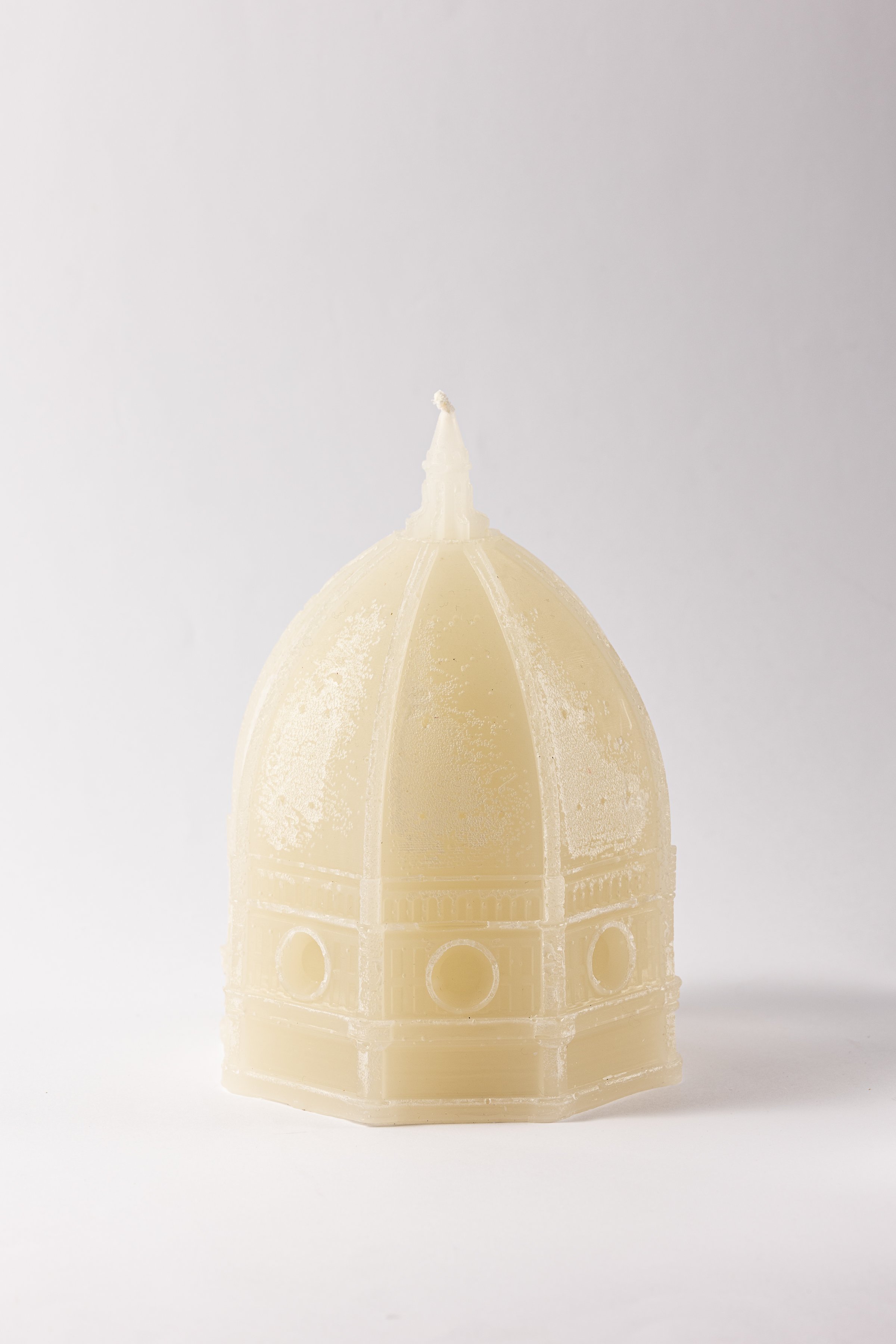
Ceramics can be more difficult to travel with, but they are among the objects that integrate most naturally into everyday life after a trip.
We tend to prefer pieces where craft and contemporary design meet, rather than objects whose entire identity depends on traditional decoration. A cup, bowl or small object becomes particularly meaningful once it enters your daily routine.
If it is fragile or too large for luggage, ask about shipping. At Florence Factory we ship internationally, and for us this is not simply an ecommerce service. It allows independent makers to sell to travelers without redesigning their production around what fits conveniently into cabin baggage.
Food: sometimes the best souvenir should be eaten here
Food creates a different problem because U.S. agricultural import regulations matter.
Travelers entering the United States must declare agricultural products, and the final decision on admissibility is made by U.S. inspectors. Current USDA guidance allows certain cheeses but restricts other animal products, including cured hams and salami from Italy in passenger baggage.
So our advice is not to turn your suitcase into a secret Tuscan delicatessen.
Enjoy products such as fresh salumi while you are here, and check current USDA and CBP rules before packing food for the return journey.
Commercially packaged products with clear origin information are generally easier to assess, and receipts should be kept.
Regulations can change, so always verify current U.S. Customs and USDA guidance before travelling.
What we would actually take home
The objects we like most tend to share a few characteristics. They were made locally, but they do not need to look traditionally Tuscan. They are useful or wearable enough to become part of everyday life. They come from small producers whose work can be explained, and they are distinctive because of the person who made them rather than because a marketing department decided to call them limited.
This is also how we build the Florence Factory selection.
We do not try to offer everything made in Tuscany. We edit. We visit makers, assess design and quality, understand production and select the things we believe deserve space.
Almost everything is produced in very limited quantities, and much of the collection can be customised or made to order because the distance between us and the maker remains short.
The practical side of shopping in Florence
Travel shopping should be pleasurable, but the practical details matter. Florence Factory offers assistance in several languages, tax-free shopping for eligible visitors, worldwide shipping, gift wrapping and the possibility to reserve available pieces. If a size is missing or a product allows personalisation, we can often place the request directly with the maker and ship the finished object to you.
These services are especially important when dealing with micro-production. A small artisan cannot realistically carry every possible size or variation at all times. Our job is partly to bridge that gap without asking the maker to become an industrial producer.
What should you leave behind?
We would be cautious about anything whose only claim to authenticity is a fleur-de-lis, a historic-looking label or a story nobody in the shop can explain.
We would also think twice about products available in enormous quantities while being presented as artisanal, and about objects priced so low that the cost of local materials and skilled labour becomes difficult to understand.
The best purchase does not need a complicated sales pitch. Someone should simply be able to tell you who made it, where and why it was selected.
FAQ
What are the best things to buy in Florence?
Locally made leather goods, contemporary jewelry, art, ceramics, paper and objects from independent designers are among the most meaningful choices if provenance matters to you.
Where can I find contemporary handmade products in Florence?
Florence Factory brings together around 40 selected artisans from Florence and Tuscany in one space near Santa Croce and the Uffizi.
Can Florence Factory customise products?
Many products can be made to order or personalised depending on the artisan and technique. Jewelry sizing is one of the most common requests.
Can Florence Factory ship purchases to the United States?
Yes. Worldwide shipping is available, along with tax-free assistance for eligible in-store purchases.
Can I bring Italian food into the United States?
It depends on the product. Always declare agricultural products and check current USDA and CBP rules before travelling.
Bring home something that belongs to Florence now
Florence has spent centuries producing beautiful things. What interests us is that it has not stopped.
The object we would choose is therefore not necessarily the one that looks most obviously Florentine. It is the one that connects you to a person working here today.
That is the Florence we want visitors to take home.