
Why is Florence famous for leather? A guide to the craft behind the bag
There are cities you associate with a material almost instinctively.
Murano has glass. Carrara has marble. Florence has leather.
Walk through the historic centre and you will see it everywhere: bags hanging from market stalls, belts stacked in shop windows, shoes lined up beside wallets in every possible shade of brown.
But quantity is not the reason Florence became famous for leather.
The interesting story is elsewhere — in workshops, techniques, materials and generations of people who learned how to turn a hide into something worth keeping.
And that distinction matters, especially today.
Because buying leather in Florence and buying leather made in Florence are not necessarily the same thing.
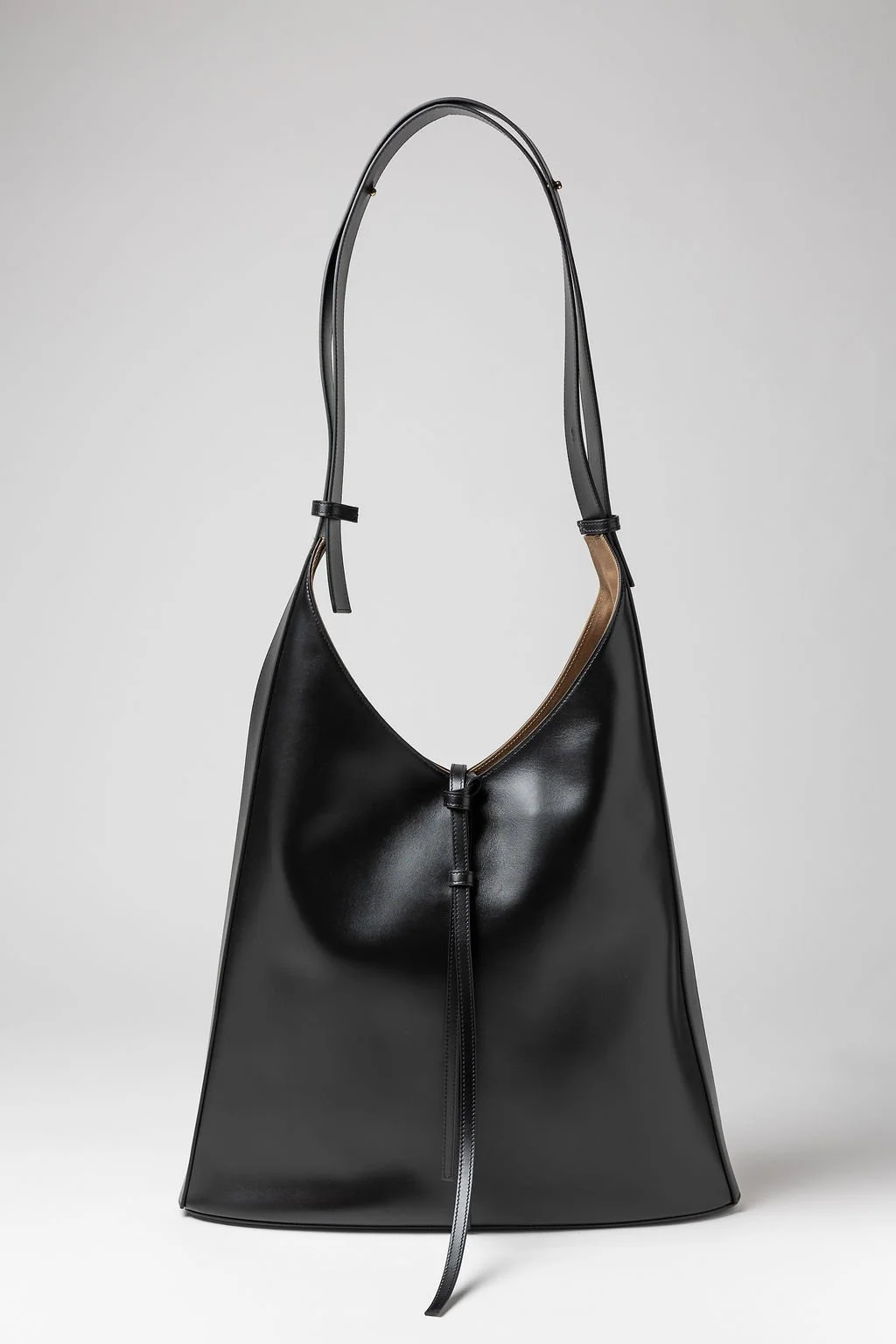
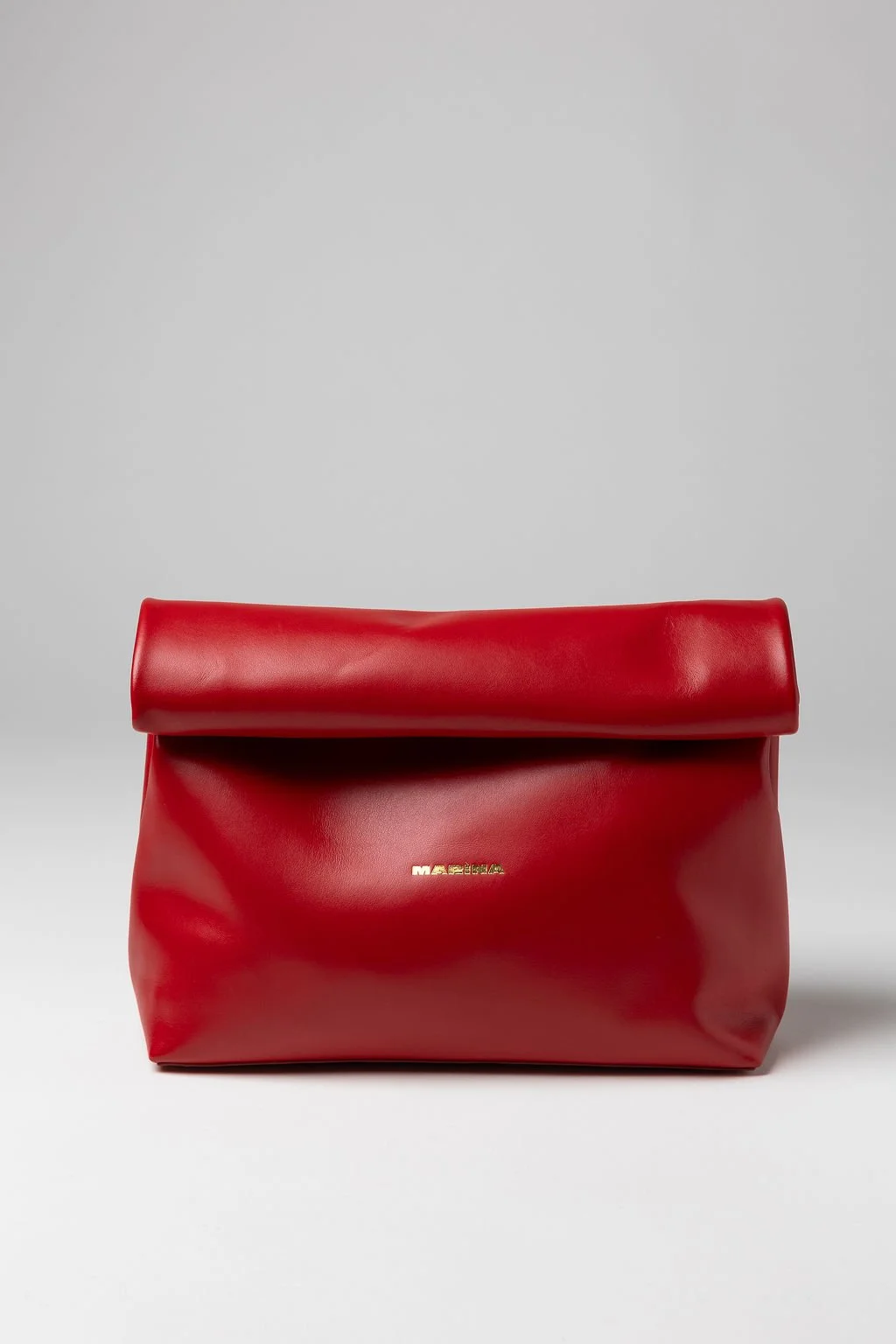
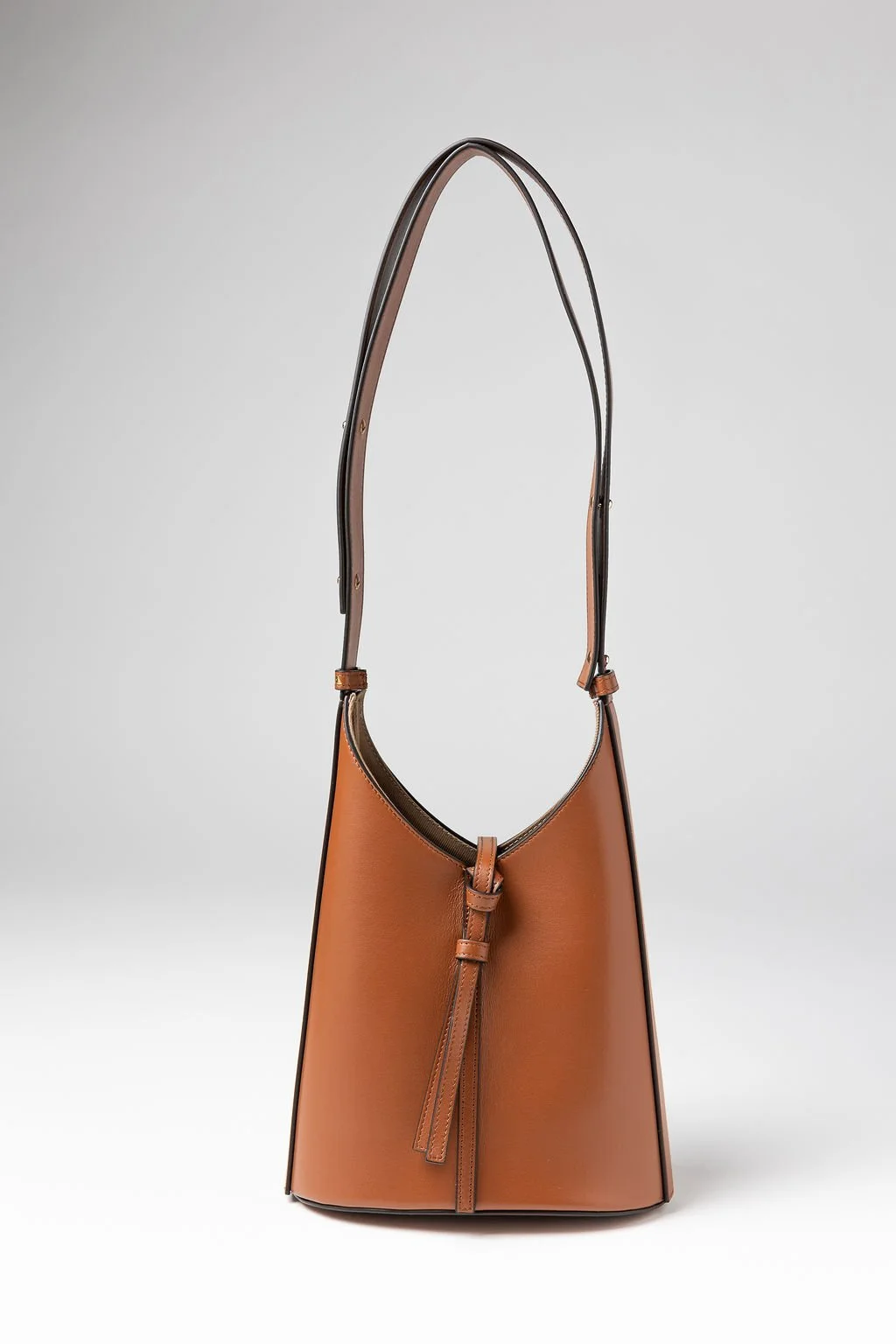
Why does Florence have such a strong leather tradition?
Florence developed as a city of specialised crafts.
For centuries, its economy was shaped by guilds and workshops in which knowledge was passed from one generation to another: textiles, metalwork, jewellery, paper, leather and many other trades.
Leather became part of this ecosystem because it required precisely the kind of specialised knowledge Florence was good at preserving: selecting materials, tanning, cutting, construction, finishing and repair.
That culture of making has changed enormously over time.
The medieval workshop is not the contemporary design studio, and it should not be romanticised as if nothing has changed.
What has survived is something more interesting: the idea that material knowledge matters.
A good leather artisan does not simply know how to sew a bag.
They understand how a hide behaves, where it should be cut, how an edge should be finished, where a structure needs reinforcement and where the material should be allowed to remain soft.
That knowledge is difficult to fake.
Is all leather sold in Florence made in Florence?
No.
This is probably the most useful thing to know before you go shopping.
Florence’s reputation for leather attracts millions of visitors — and wherever there is demand, there will be products created specifically to satisfy it.
Some are locally made.
Some are made elsewhere in Italy.
Some are imported and sold beneath very Florentine-looking signs.
A label such as “Italian leather” tells you something about the material. It does not automatically tell you where the object was designed, cut, stitched or finished.
Even “Made in Italy” is not the same question as:
Who made this? Where was it made? How?
When we select leather goods at Florence Factory, those are the questions that interest us most.
Not because every object needs a romantic backstory, but because provenance is part of quality.
What makes Tuscan leather different?
There is no single material called “Tuscan leather.”
Tuscany produces and works with different hides, finishes and tanning methods.
One of the region’s best-known traditions is vegetable tanning, a process that uses tannins derived from vegetable sources rather than relying solely on other tanning systems.
Vegetable-tanned leather is particularly appreciated for the way it changes over time. Rather than remaining visually static, it can develop a patina: colour deepens, surfaces soften and traces of use become part of the material.
But vegetable tanning is not automatically the right choice for every design.
A soft shoulder bag may require very different leather from a structured briefcase. Suede behaves differently from smooth calfskin. A designer working with airbrushed colour needs a surface capable of responding to that technique.
Good craftsmanship begins by choosing the right material for the object — not by treating one leather as universally superior.
How can you tell if a leather bag is well made?
Forget the smell test.
“Real leather smells like leather” is one of those pieces of shopping wisdom that sounds useful until you realise how unreliable it is.
Leather can carry the scent of tanning agents, dyes, finishing products, adhesives or added fragrance. A strong smell does not prove quality, origin or even craftsmanship.
There are also colourful stories in the fashion world about products being scented or treated to make them somehow more desirable. We found no reliable evidence supporting the claim that luxury handbag brands have used feline pheromones to attract customers, so we would file that firmly under fashion mythology rather than buying advice.
Instead, use your eyes, your hands and a few good questions.
Look at the edges
Are they cleanly cut and finished?
Do multiple layers align properly?
Painted edges should feel deliberate rather than thick enough to disguise hurried construction.
Look at the stitching
It should be regular, clean and appropriate to the structure of the bag.
More importantly, inspect the points under stress: handles, shoulder straps, corners and closures.
This is where good construction earns its keep.
Pay attention to the hardware
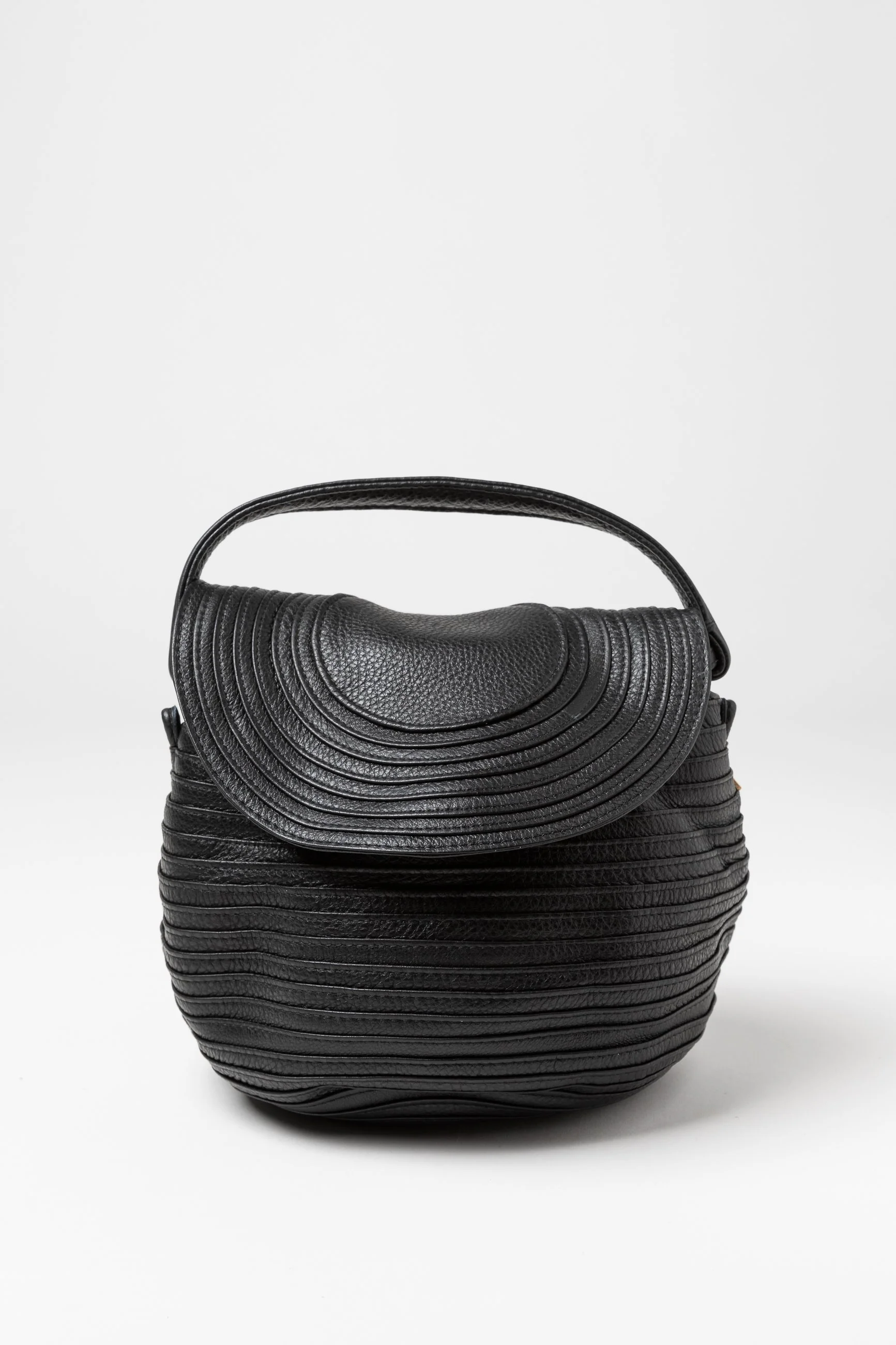
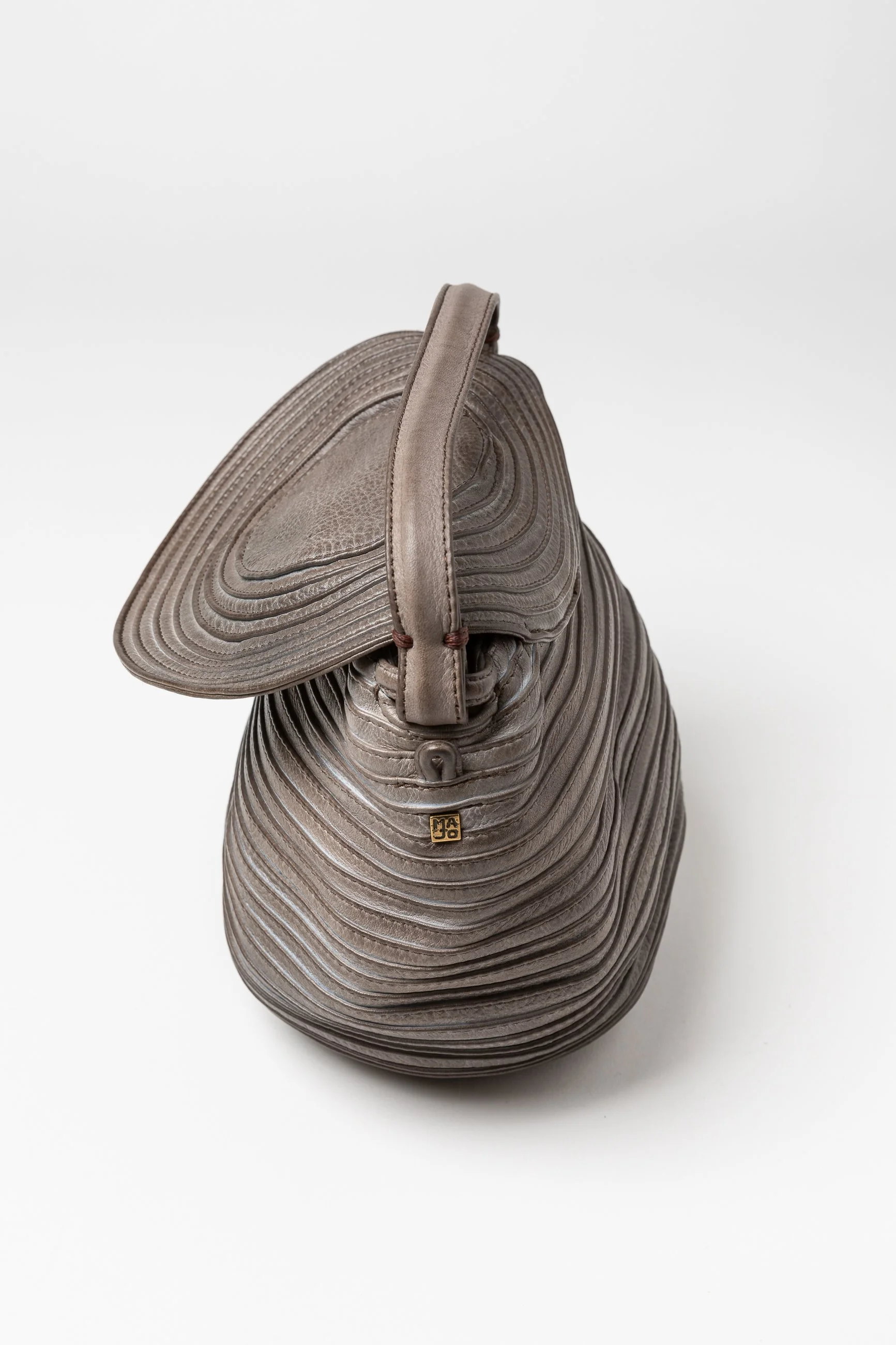
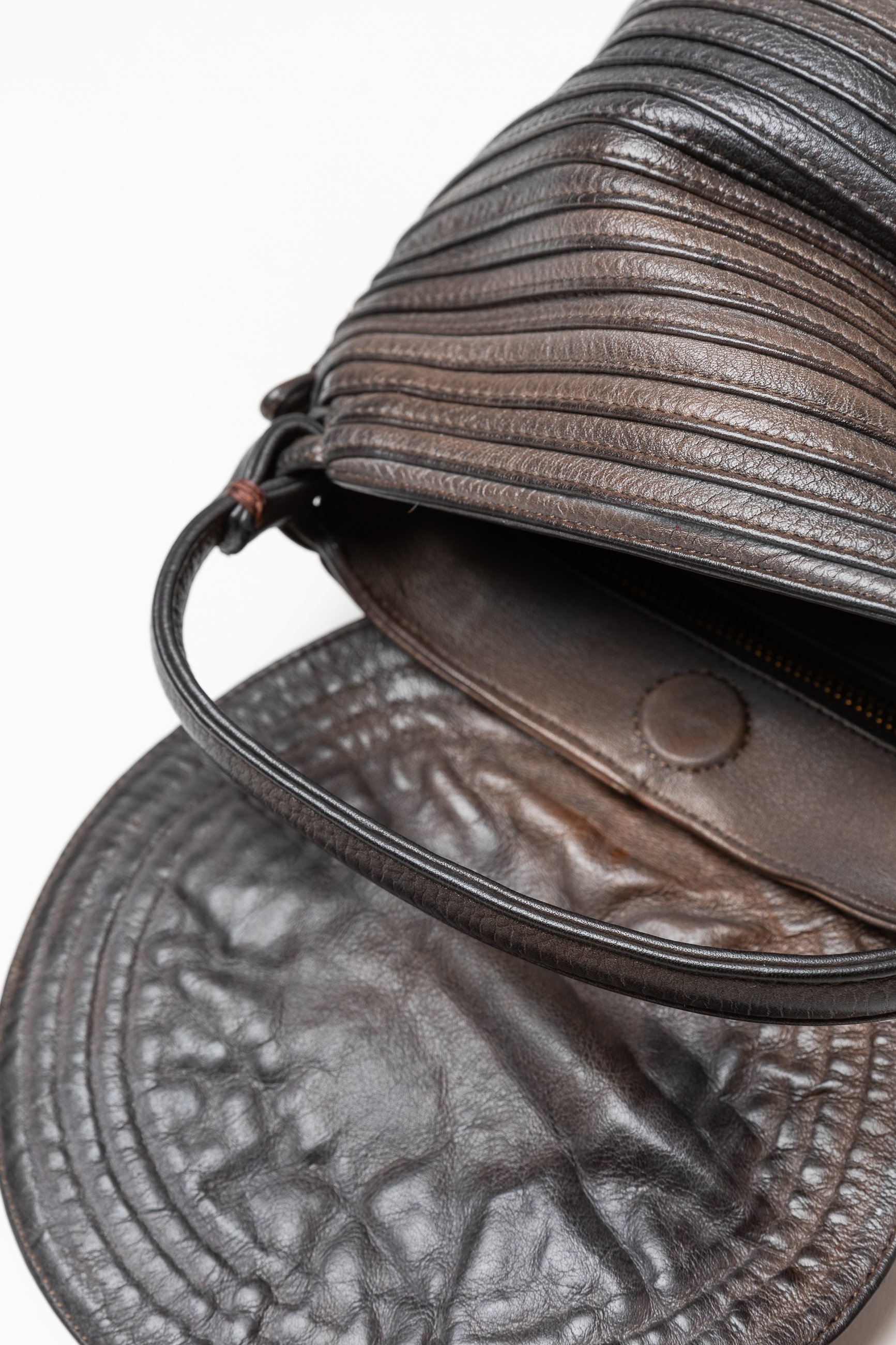
This is one of our particular obsessions at Florence Factory.
A beautiful piece of leather can be completely undermined by a cheap zip, a weak clasp or a badly finished buckle.
Hardware is not decoration added at the end. It is part of the architecture of a bag.
Open the zip several times.
Test the clasp.
Hold the rings and buckles.
Look at how every metal component is attached to the leather.
Good hardware should feel stable, smoothly finished and proportional to the object.
Plating should be even.
Edges should not feel sharp.
Moving parts should work cleanly, without rattling or catching.
And look carefully at the attachment points.
The best hardware in the world is useless if it is poorly anchored to the bag.
At Florence Factory, we have a slight fixation with hardware for exactly this reason.
The zip, clasp, buckle and rings can determine whether the final bag feels considered or compromised.
Look inside
The interior often tells you more than the exterior.
How has the lining been fitted?
Are pockets properly constructed?
Are seams clean?
What happens where the handles and straps connect to the body?
Good making tends to remain good even in places designed not to attract attention.
Look at the shop before you look at the bag
The way a shop presents its products can tell you quite a lot about the kind of production behind them.
If the same bag appears in twenty colours, with dozens of identical pieces stacked behind it, you are probably looking at industrial production rather than the output of a small Florentine workshop. This does not automatically mean the product is poor quality, but it does mean that the story being told should match the scale of what you are seeing.
The same applies to how the merchandise is treated. We are cautious when leather bags are displayed outdoors all day, exposed to sun, rain, pollution and constant handling. Good leather is a valuable material, and a retailer selling genuinely precious objects will usually treat them accordingly. The way a product is handled before the sale can be a useful clue to how much value the seller really places on it.
We also recommend being sceptical of shops that rely too heavily on visual signals of “Florentinity” or tradition. An old-fashioned sign, a historic-looking typeface, a fleur-de-lis, or words such as “antica pelletteria” and “traditional Florentine craftsmanship” may create the right atmosphere, but none of them is proof of quality, local production or artisanal work.
A shop may be genuinely old and sell industrial products. A new business may work with excellent local artisans. What matters more is whether the people inside can tell you who made the bag, where the workshop is, what materials were used, how it was produced and why that particular piece was selected.
For us, this is also where service becomes part of the experience.
At Florence Factory, our work does not end when a product reaches the shelf. We search for independent makers, visit workshops and verify provenance before selecting what enters the store. Once it is here, our job is to help you understand what you are looking at: who made it, how it was made, what makes one material or construction different from another, and which piece genuinely makes sense for you.
For international visitors, that also means taking care of the practical side of shopping in Florence. We offer assistance in several languages, help eligible non-EU customers with tax-free shopping, arrange international shipping and gift wrapping, and can often organise made-to-order pieces or specific sizes directly with the artisan. Many of the objects we carry are produced in very limited numbers, so when possible we can also confirm availability and reserve a piece for collection.
We believe a good shop should do more than tell you that something is “authentic.” It should be able to explain why it chose it, introduce you to the work behind it and make buying from a small local maker as straightforward as buying from a large international brand.
The more a shop can tell you about the object and the people behind it, the less it needs to rely on scenery.
Endless quantities should make you curious
If a shop displays the same bag in twenty colours, with dozens more stacked behind it, you are probably looking at industrial production rather than the output of a small Florentine workshop.
Small-scale artisans have physical limits.
They have limited time, limited materials and limited hands.
True craft rarely arrives in apparently infinite quantities.
This does not automatically make high-volume production bad.
It simply means you should not confuse it with small-batch craftsmanship.
Look at how the merchandise is treated
We are equally suspicious when leather bags are hanging outside a shop all day, exposed to direct sun, rain, pollution and constant handling.
Good leather is a valuable material.
A shop selling genuinely precious objects normally treats them as such.
Products displayed on the pavement are not automatically worthless, but the display does tell you something about the seller’s relationship with the merchandise.
If an object is treated as disposable stock before you buy it, ask yourself how precious it really is.
What the shop itself can tell you
The way a shop presents its products can tell you quite a lot about the kind of production behind them.
If the same bag appears in twenty colours, with dozens of identical pieces stacked behind it, you are probably looking at industrial production rather than the output of a small Florentine workshop. This does not automatically mean the product is poor quality, but it does mean that the story being told should match the scale of what you are seeing.
The same applies to how the merchandise is treated. We are cautious when leather bags are displayed outdoors all day, exposed to sun, rain, pollution and constant handling. Good leather is a valuable material, and a retailer selling genuinely precious objects will usually treat them accordingly. The way a product is handled before the sale can be a useful clue to how much value the seller really places on it.
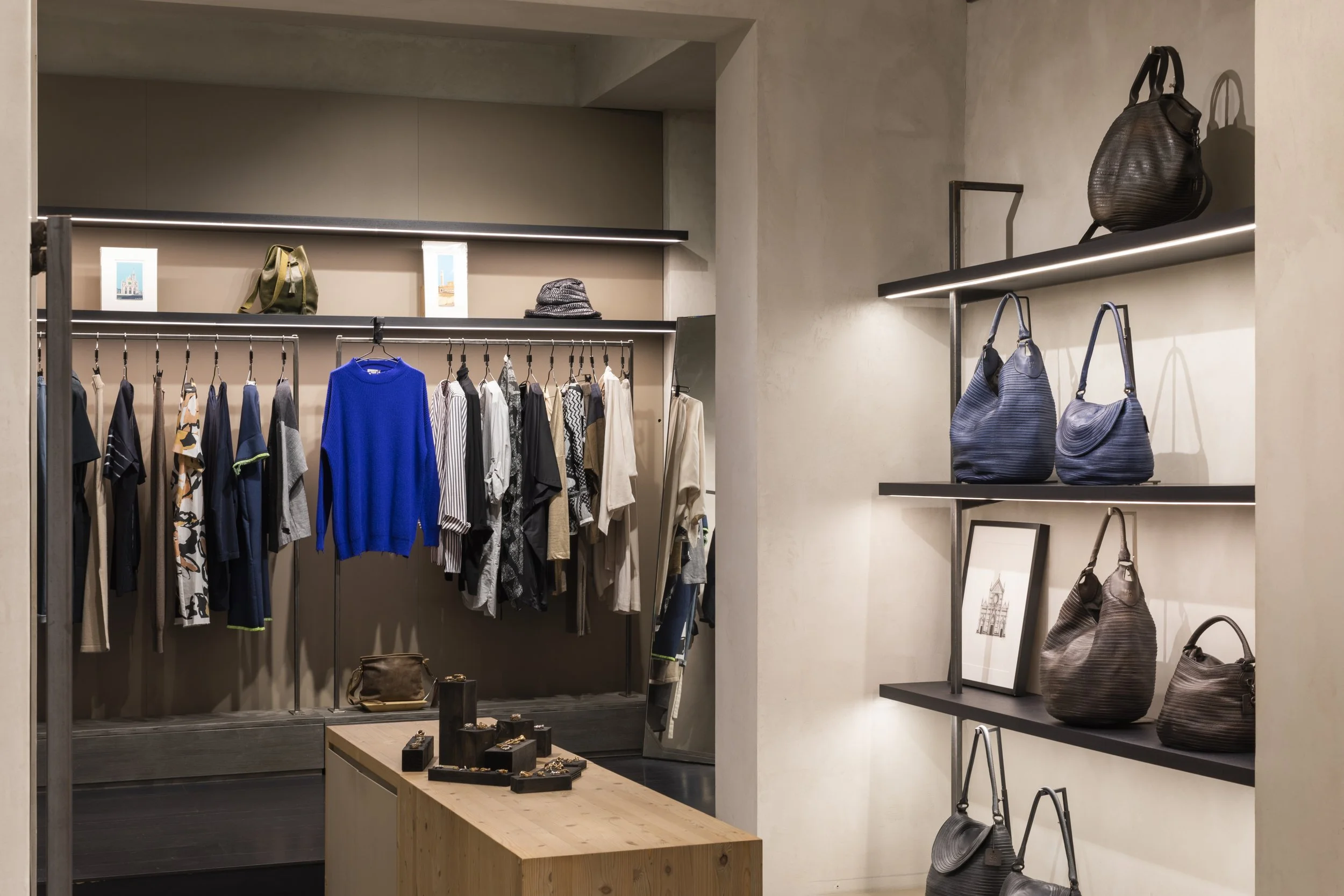
Inside Florence Factory
A curated selection of contemporary Florentine craftsmanship, bringing together independent makers, local workshops and objects chosen for their design, materials and provenance.
We also recommend being sceptical of shops that rely too heavily on visual signals of “Florentinity” or tradition. An old-fashioned sign, a historic-looking typeface, a fleur-de-lis, words such as “antica pelletteria” or “traditional Florentine craftsmanship” may create the right atmosphere, but none of them is proof of quality, local production or artisanal work.
A shop may be genuinely old and sell industrial products. A new business may work with excellent local artisans. The décor tells you very little unless it is supported by clear information.
What matters more is whether the shop can answer simple questions: who made the bag, where the workshop is, what leather was used, where the piece was assembled, how many are produced and whether the seller can identify the maker or company behind it.
The more convincing the answers, the less you need the scenery.
Price matters — because making things properly costs money
Price is never a guarantee of quality.
An expensive bag can be poorly made, just as a lesser-known maker can create something exceptional. But when a price is extremely low, it is worth asking how that number became possible.
A leather bag carries many costs that are easy to overlook when you only see the finished object: the material itself, the lining, the hardware, the development of the pattern, the time spent cutting, assembling, stitching and finishing, the workshop, the tools, and above all the years of experience behind the hands making it.
This is why, at Florence Factory, we like to think of one final price as containing three fair prices.
The first belongs to the artisan.
It should respect the time, skill, materials and knowledge required to make the piece properly.
The second belongs to Florence Factory.
Our work begins long before an object reaches the shelf: we search for independent makers, visit workshops, understand how they work, select the pieces we believe in, present them properly and create the connection between their work and the people who come to Florence looking for something authentic.
The third belongs to the customer.
A fair customer price does not mean the lowest possible price. It means paying an amount that makes sense for the object in front of you — for its materials, its construction, its origin and the work behind it.
For us, the right price is where these three things meet.
If the artisan is not being paid fairly, something is wrong.
If the shop adds a price that has little relationship to the object itself, something is wrong.
And if the final price is so low that neither quality materials nor skilled labour can realistically fit inside it, something is probably missing from the story.
This is why a leather bag sold for less than €100 deserves a closer look.
Price alone cannot tell you where something was made, and there are always exceptions. But genuine small-scale Italian production has real costs. Good leather costs money. Good hardware costs money. Skilled labour costs money. Training, time and experience cost money too.
So rather than asking only: “Is this a good price?”
we prefer another question: “Does this price make sense for the story I am being told?”
If the answer is no, ask more questions.
Who made it?
Where?
With which materials?
In what quantities?
A fair price should be able to explain itself.
Handmade does not mean rustic
One of the clichés surrounding Italian craftsmanship is that handmade objects should somehow look traditional.
We disagree.
Florentine craftsmanship is most interesting when technique is allowed to move forward.
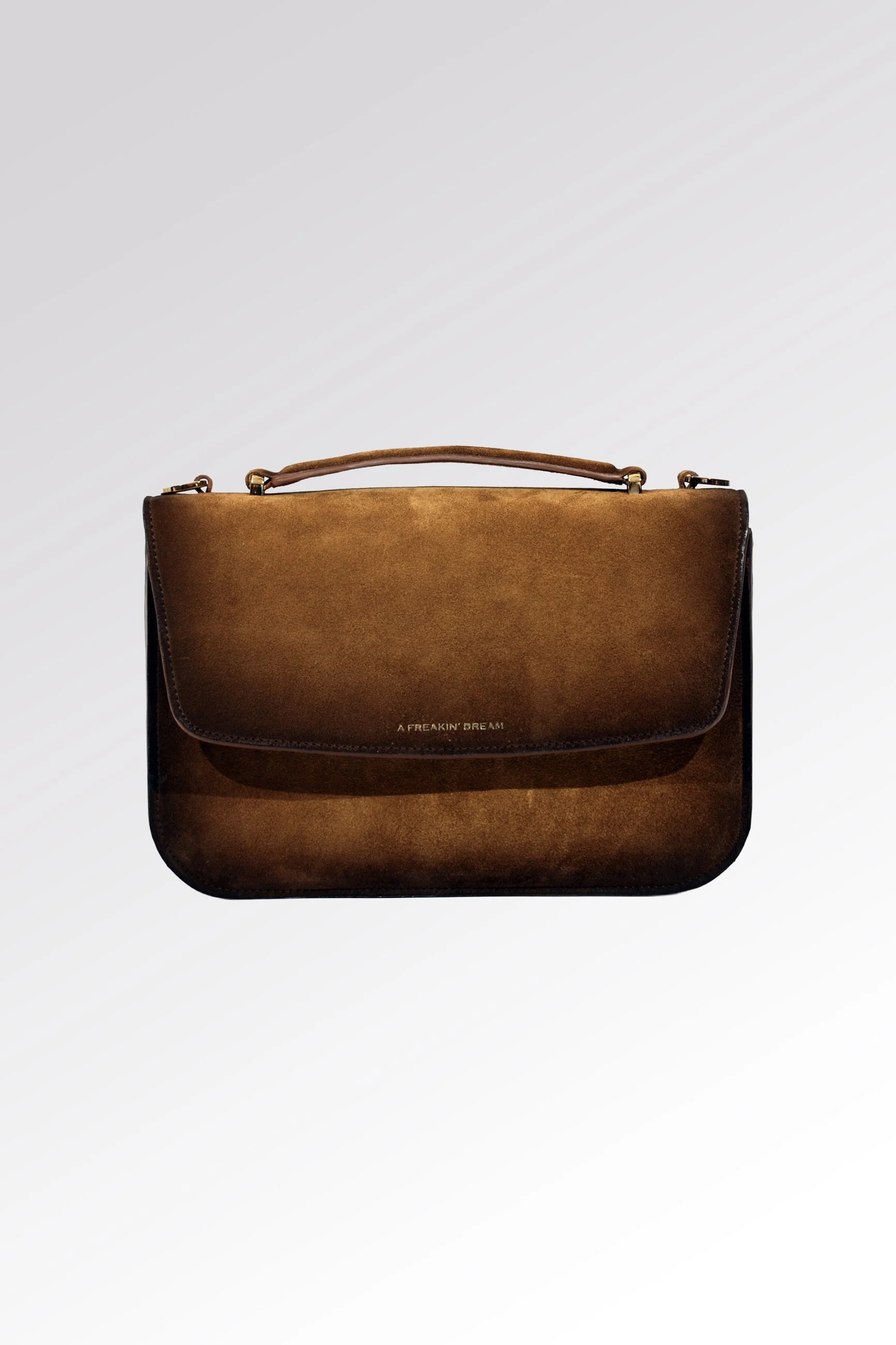
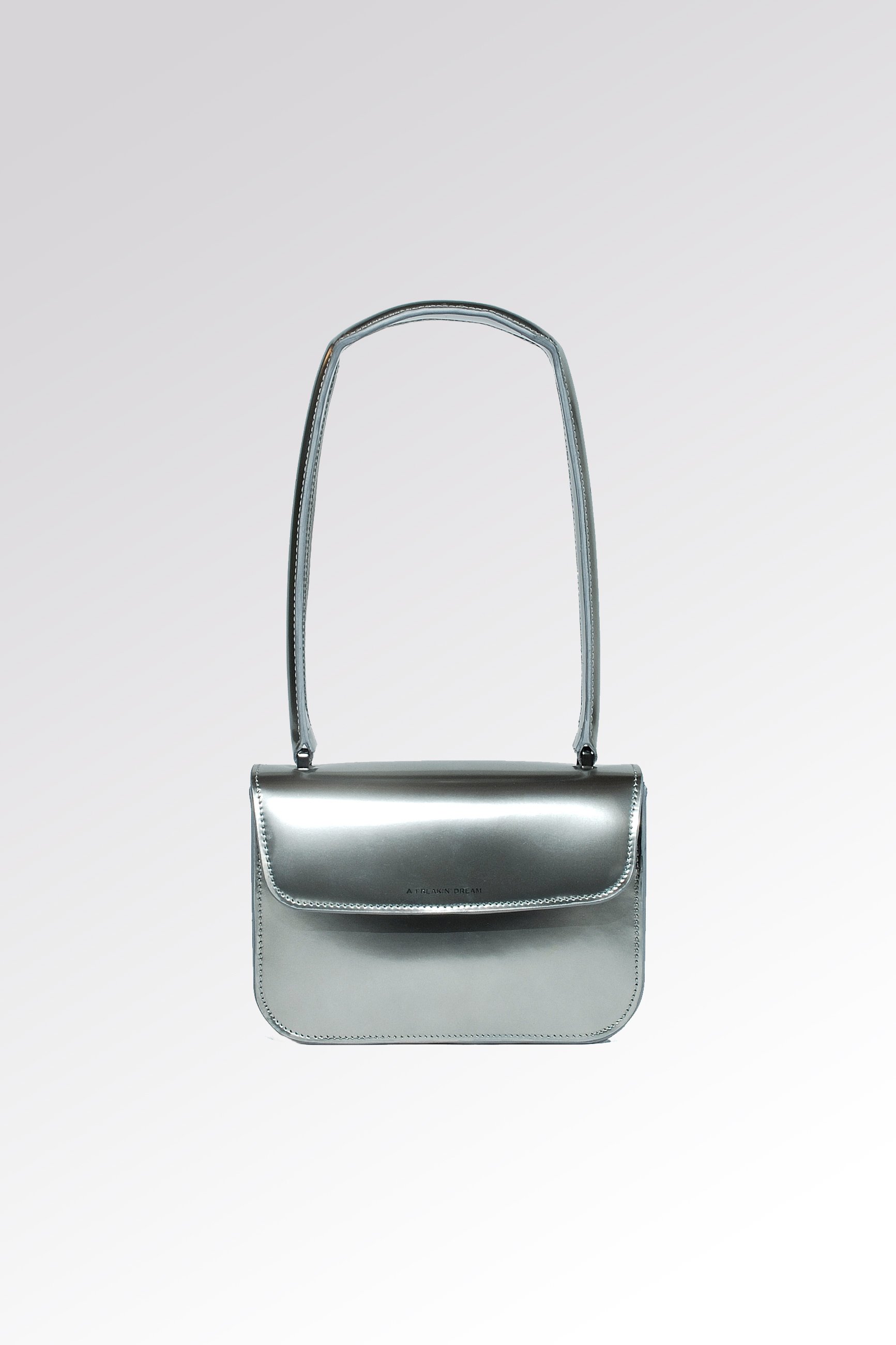
A leather artisan can work with generations of material knowledge and still make something graphic, minimal, oversized, asymmetrical or experimental.
A designer can collaborate with a specialist in airbrush painting and transform leather into something closer to a canvas.
Traditional skill does not require traditional taste.
In fact, many of the pieces we find most exciting at Florence Factory sit precisely between those two worlds:
deep material knowledge and contemporary design.
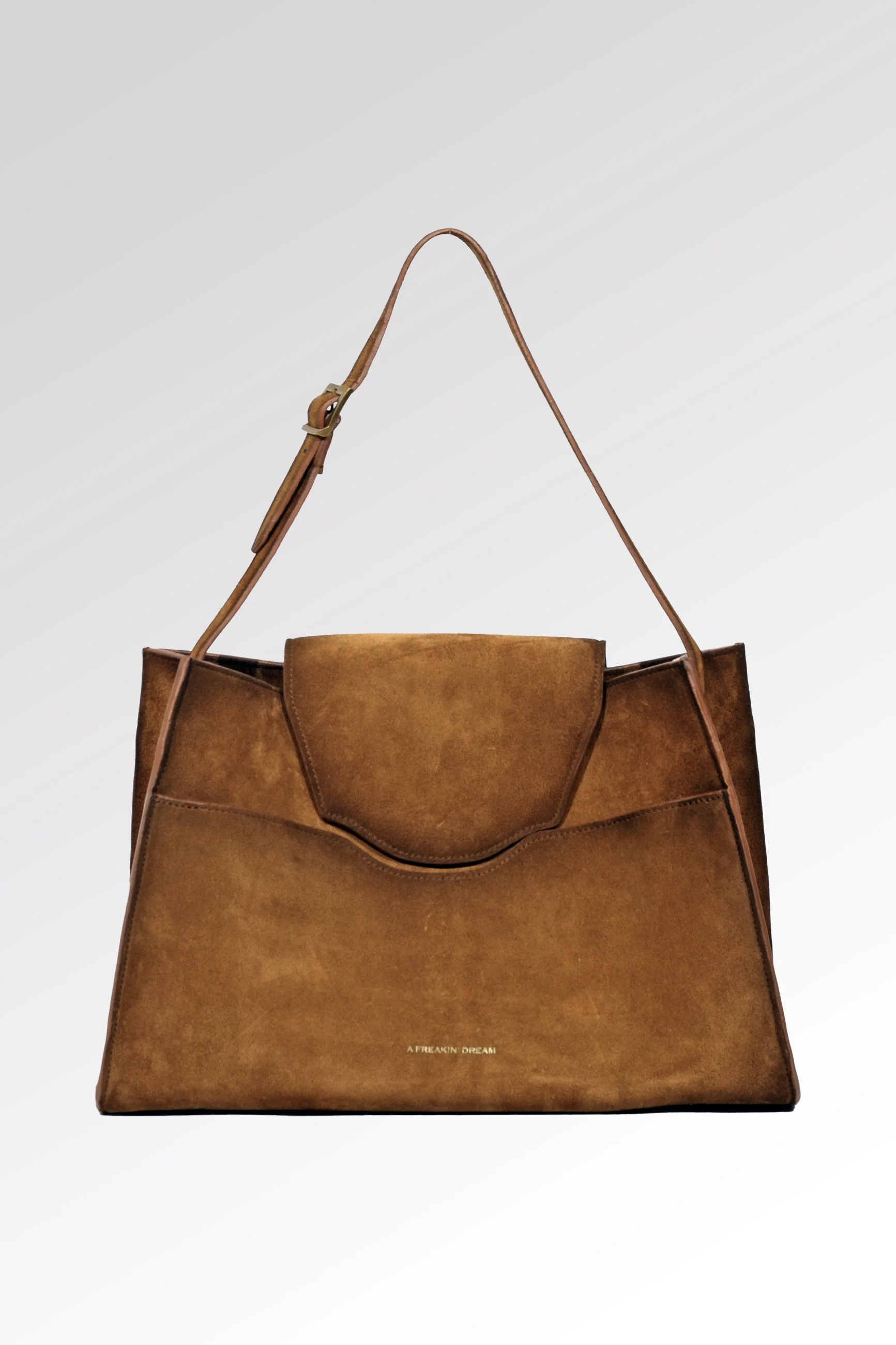
Why are small differences often a good thing?
When objects are produced in very small quantities and finished individually, variation happens.
A grain may be slightly different.
A hand-applied colour treatment may deepen differently from one bag to the next.
The leather itself may carry natural marks.
This does not mean every irregularity should be celebrated as craftsmanship.
Poor finishing is still poor finishing.
But absolute visual uniformity is usually a goal of industrial production.
In small workshops, the maker works with the material rather than forcing every piece to look digitally identical.
For us, this is often where character begins.
A quick Florence Factory test
When we evaluate a leather bag, we tend to look at five things together.
Material.
Does the leather suit the design, and is its origin clearly described?
Construction.
Are stitching, edges, handles and interiors properly resolved?
Hardware.
Do the zip, clasps, buckles and rings match the quality of the leather?
Provenance.
Can we understand who made it and where?
Context.
Does the quantity, display and story surrounding the product make sense for the kind of production being claimed?
None of these clues works perfectly on its own.
Together, they tell you quite a lot.
Is Florentine leather worth buying?
It can be.
But geography alone is not a guarantee.
A mediocre object does not become exceptional because it was made within the city limits, just as an excellent object does not need a Renaissance story attached to it.
What makes a piece worth buying is the combination:
material + design + construction + hardware + provenance + the person making it.
Florence simply happens to have an unusually rich concentration of people who understand those things.
The challenge is finding them.
Where to find authentic leather craftsmanship in Florence
Our advice is simple:
move away from the idea that you need to find the biggest leather store.
Look instead for places that can tell you about their makers.
Visit workshops.
Ask where production happens.
Look for small quantities rather than endless walls of identical stock.
And pay attention to shops that curate rather than simply accumulate.
At Florence Factory, this is a large part of what we do.
We search for independent artisans and designers working in Florence and Tuscany, visit workshops, understand their techniques and select pieces we believe add something to the city’s contemporary craft story.
Some collections arrive in tiny quantities.
Some pieces are individually finished.
Some disappear before we have time to photograph them properly.
That is not very efficient retail.
It is, however, a fairly accurate reflection of how small-scale craftsmanship works.
Florence leather is not really about leather
Not entirely.
It is about a city that has spent centuries taking materials seriously.
Leather happens to be one of the most visible examples.
So if you are looking for a leather bag in Florence, look beyond the colour, the softness and the reassuring stamp on the inside.
Ask who cut it.
Ask who stitched it.
Look at the hardware.
Look at how the shop treats it.
Ask how the price makes sense.
Ask where it came from.
Because the best souvenir of Florence is not something that merely says Florence.
It is something that could only have come from the people who still make things here.
FAQ: Florence Leather
Why is Florence known for leather?
Florence has a long history of specialised craftsmanship and leatherworking. Today, the tradition continues through workshops, artisans and independent designers working in Florence and across Tuscany.
Is leather cheaper in Florence?
Not necessarily. Authentic small-batch craftsmanship involves skilled labour, quality materials, hardware and production costs. Extremely low prices should encourage you to ask more questions about materials, origin and production.
Is all leather in Florence made locally?
No. Florence is a major tourist-shopping destination, and many leather products sold in the city may be produced elsewhere.
Can you recognise real leather by smell?
Not reliably. Smell can be influenced by tanning agents, finishes, adhesives or added fragrance. Construction, materials, provenance and finishing are much more useful indicators.
What should I check on a leather bag?
Look at stitching, edges, lining, stress points and especially the hardware. Zips, clasps, rings and buckles can reveal a great deal about the overall quality of a bag.
Is a leather bag under €100 handmade in Italy?
Price alone cannot prove origin, but genuine small-scale Italian artisan production becomes very difficult at that price once quality leather, hardware, skilled labour and retail costs are included.
How can I tell whether a leather shop in Florence is genuinely artisanal?
Look at the quantity and presentation of the merchandise, ask who makes the products and where, and be cautious about relying only on historic-looking signs or generic claims such as “traditional Florentine leather.”
What is the difference between Italian leather and Made in Florence?
“Italian leather” usually refers to the origin or processing of the material. “Made in Florence” concerns the production of the finished object. They are different claims and should not be treated as interchangeable.
Continue exploring
Already know why Florence is famous for leather? Discover our curated selection of contemporary leather craftsmanship, or visit us in Florence at Via dei Neri 6/8R to see the pieces in person and learn more about the makers behind them.
Read our guide to How to Buy a Real Leather Bag in Florence, where we look more closely at construction, provenance and the difference between authentic craft and tourist-market leather.

Sculptural, versatile, confidently understated
Anila combines a boldpresence with remarkablycleanlines. Its elongated silhouette feels sculptural without becoming rigid, offering generous space in a shape that remains refined and easy to wear. Designed to move effortlessly between everyday routines and more considered occasions, it balances practicality with quiet elegance.
The shoulderstrap allows Anila to be carried comfortably on the shoulder or by hand, while an additional extension stored inside transforms it into a crossbody bag whenever extra freedom is needed. The spacious interior keeps the design uncluttered, favouring simplicity over unnecessary compartments and making room for the essentials—and then some.
HandmadeinFlorence from surplus leather, each Anila celebrates a slower approach to production. Slight variations in grain, texture and colour are a natural consequence of working with carefully selected surplus hides, giving every bag its own individual character while reducing unnecessary waste.
Details
Elongated shoulder bag silhouette
Convertible shoulder and crossbody design
Additional strap extension included
Spacious single interior compartment
Gold-finish stamped logo
Exterior: 100% leather
Interior: fabric lining
Handmade in Florence
Made using surplus leather
Size and measure
Height: 11.5 cm
Width: 32 cm
Depth: 9 cm
Available in
Butter
Black
Mauve
Dark Brown
Burgundy
Lime
Product note
Natural variations in the leather, including slight differences in grain, texture and colour, are part of the material's character and reflect the use of carefully selected surplus leather.
Why We Chose It
We chose Anila for the clarity of its design. It is a bag that feels contemporary without relying on trends, combining a distinctive silhouette with genuine versatility. The option to alternate between shoulder and crossbody wear makes it exceptionally adaptable, while the use of surplus leather reflects the kind of thoughtful craftsmanship we value: considered, responsible and designed to last.