
Stendhal Was Right: Florence Can Still Make Your Head Spin
Santa Croce has always been one of Florence’s most creative neighbourhoods. For centuries, its streets have been shaped not only by churches, palaces and great works of art, but also by workshops, makers and independent businesses. Leatherworkers, printers, artists, restorers and craftsmen found space here to work, experiment and pass their knowledge from one generation to the next. That spirit is still visible today. You can find it in a small museum with no queue, in a historic café, in a hidden architectural detail, in a contemporary object made by a local designer or in a business that continues to choose quality over shortcuts.
Florence can sometimes feel overwhelming. The busiest streets are crowded, queues can take up a large part of the day, and the most popular place is not always the most rewarding one.
This guide is designed to help you choose better.
We will tell you what is actually worth ordering at a famous Florentine institution, where to see Michelangelo without waiting in line, which overlooked artworks deserve your attention and where to stop for one of the most beautiful views over the city.
The route starts and ends in Piazza Santa Croce, creating a circular walk through hidden art, local flavours, independent places and contemporary Florentine craftsmanship.
Not a checklist of attractions, but a more thoughtful way to experience the neighbourhood.
Start in Piazza Santa Croce and return to it after a circular walk through overlooked masterpieces, independent places, contemporary craftsmanship and stories hidden in plain sight.
Even in one of the most visited parts of Florence, authenticity still survives. You just need to know where to look.
1. The Loggia del Grano and the Mascherone
Continue towards Piazza della Signoria and stop at the corner of the historic Loggia del Grano.
Look closely at the pillar and you will find the Mascherone Fountain, a theatrical eighteenth-century stone face that most people pass without noticing.
A small detail hidden in one of the busiest parts of the city.
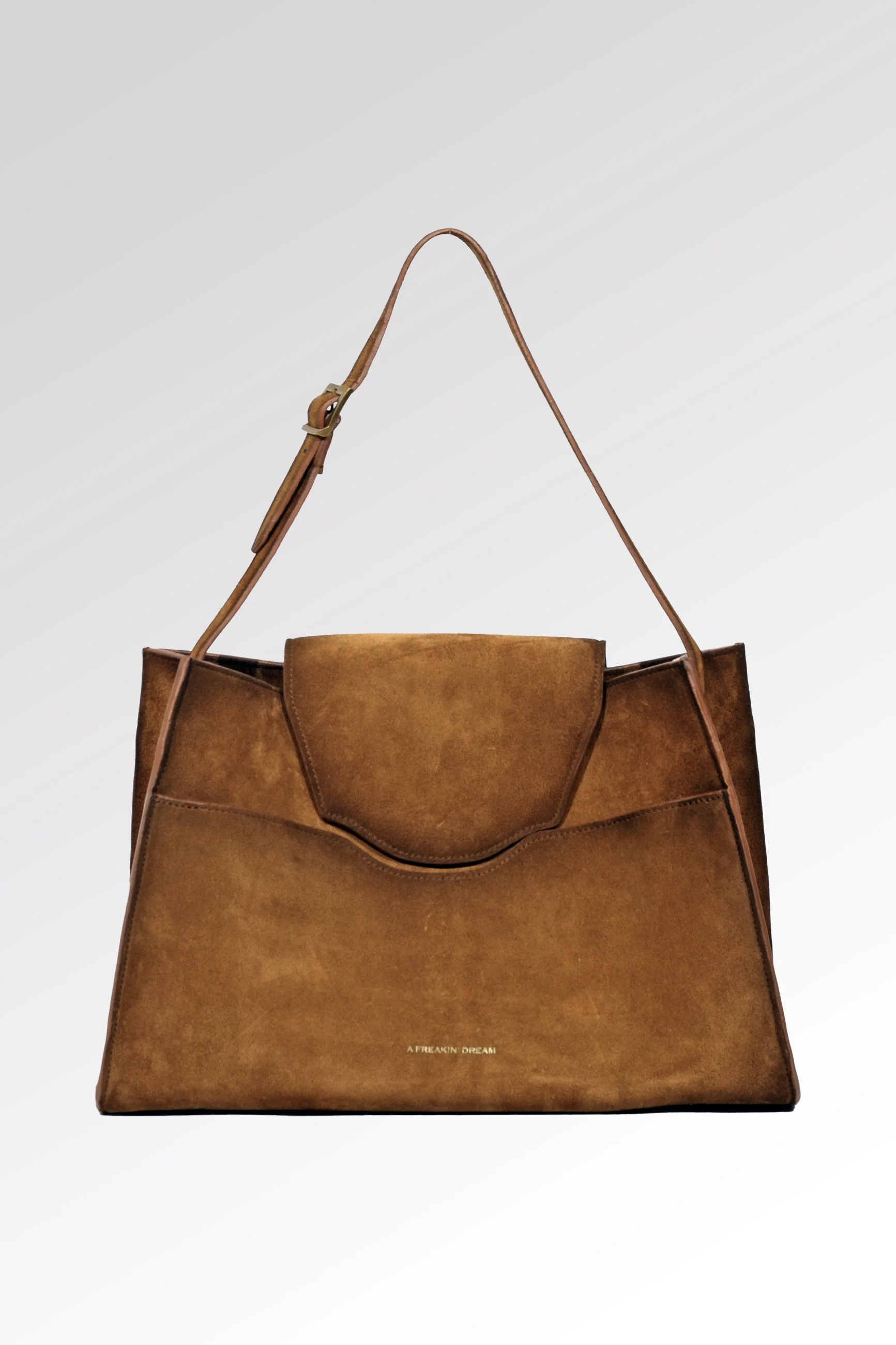
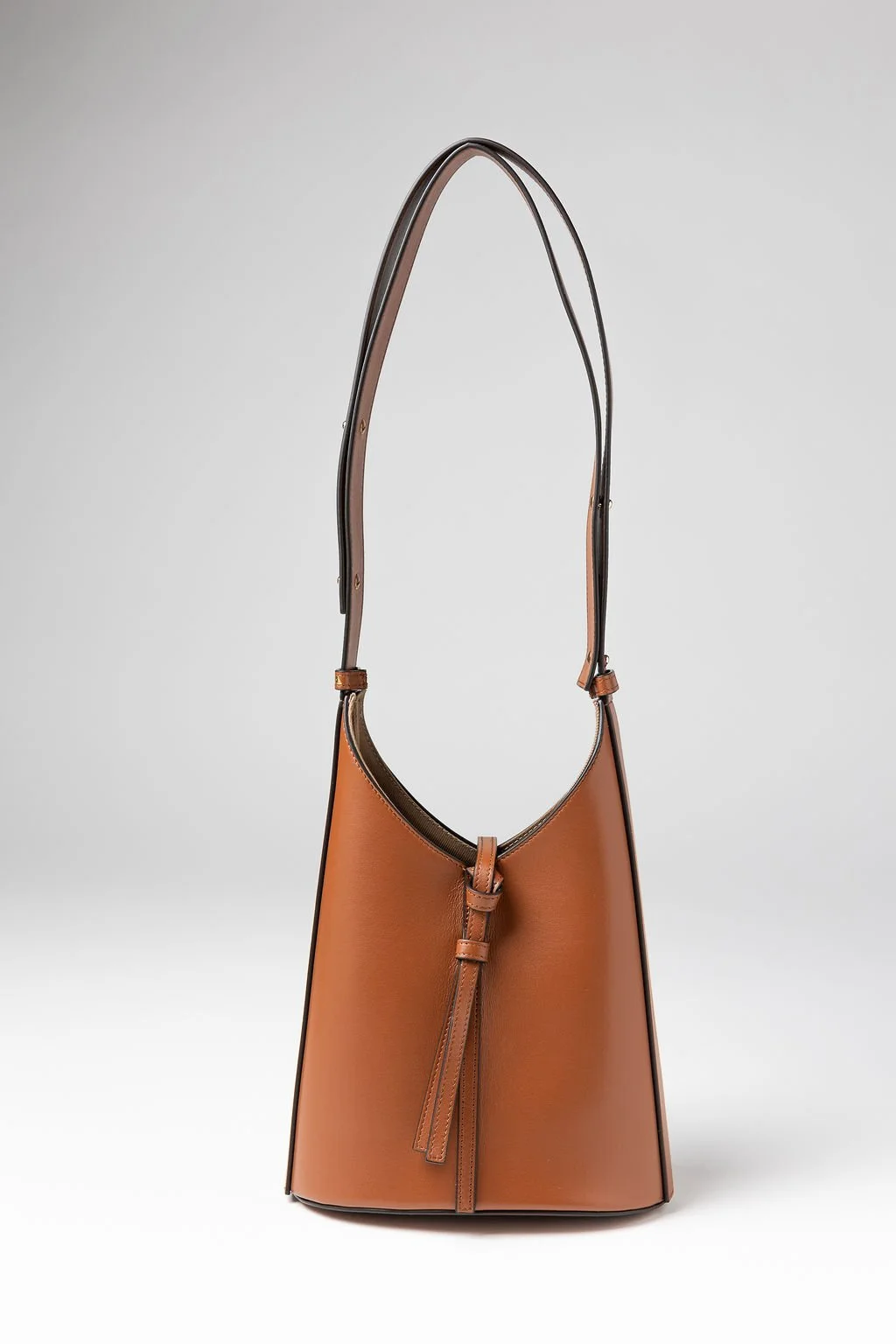
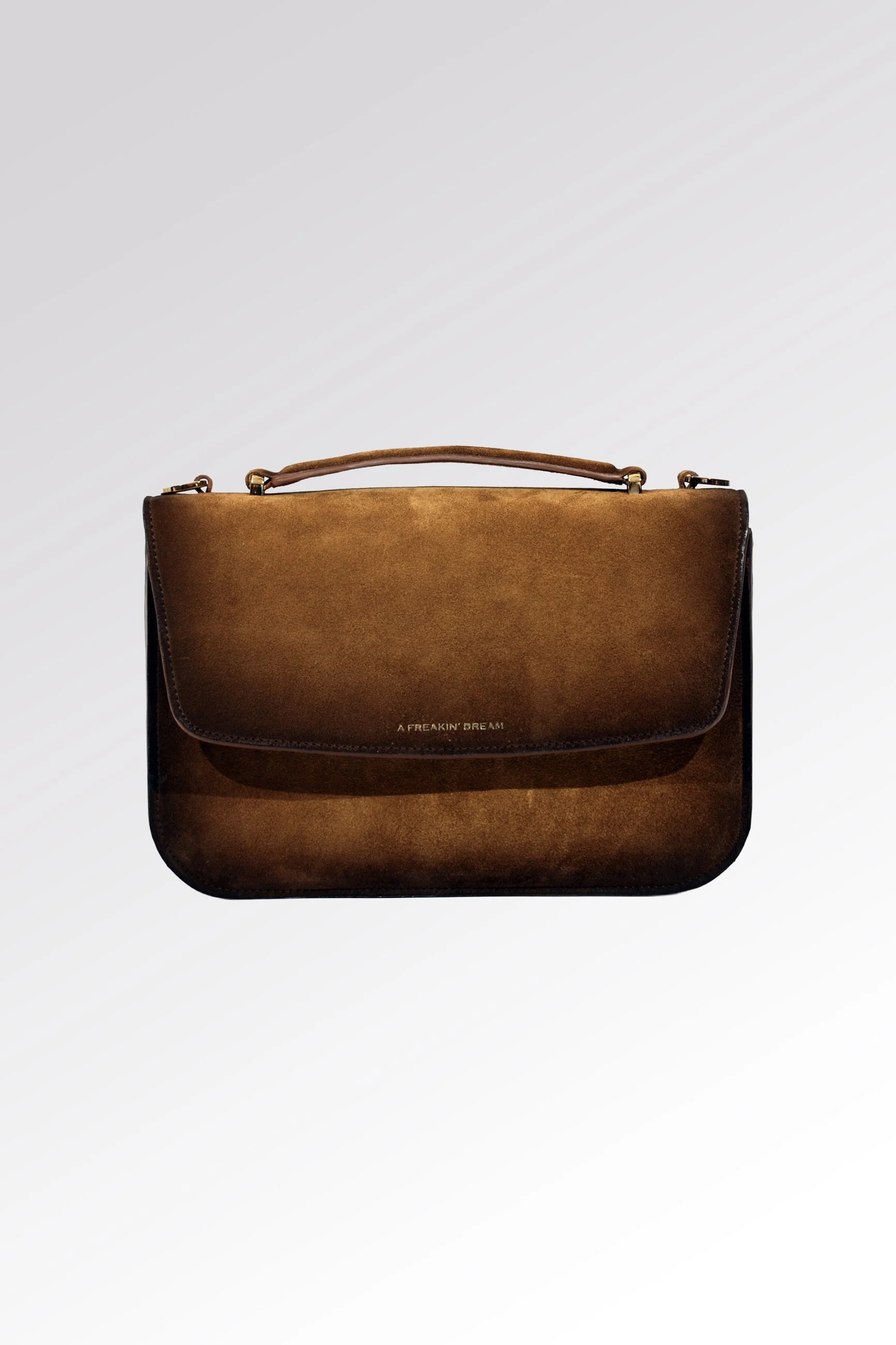
2. Florence Factory
From Piazza Santa Croce, walk towards Florence Factory on Via dei Neri.
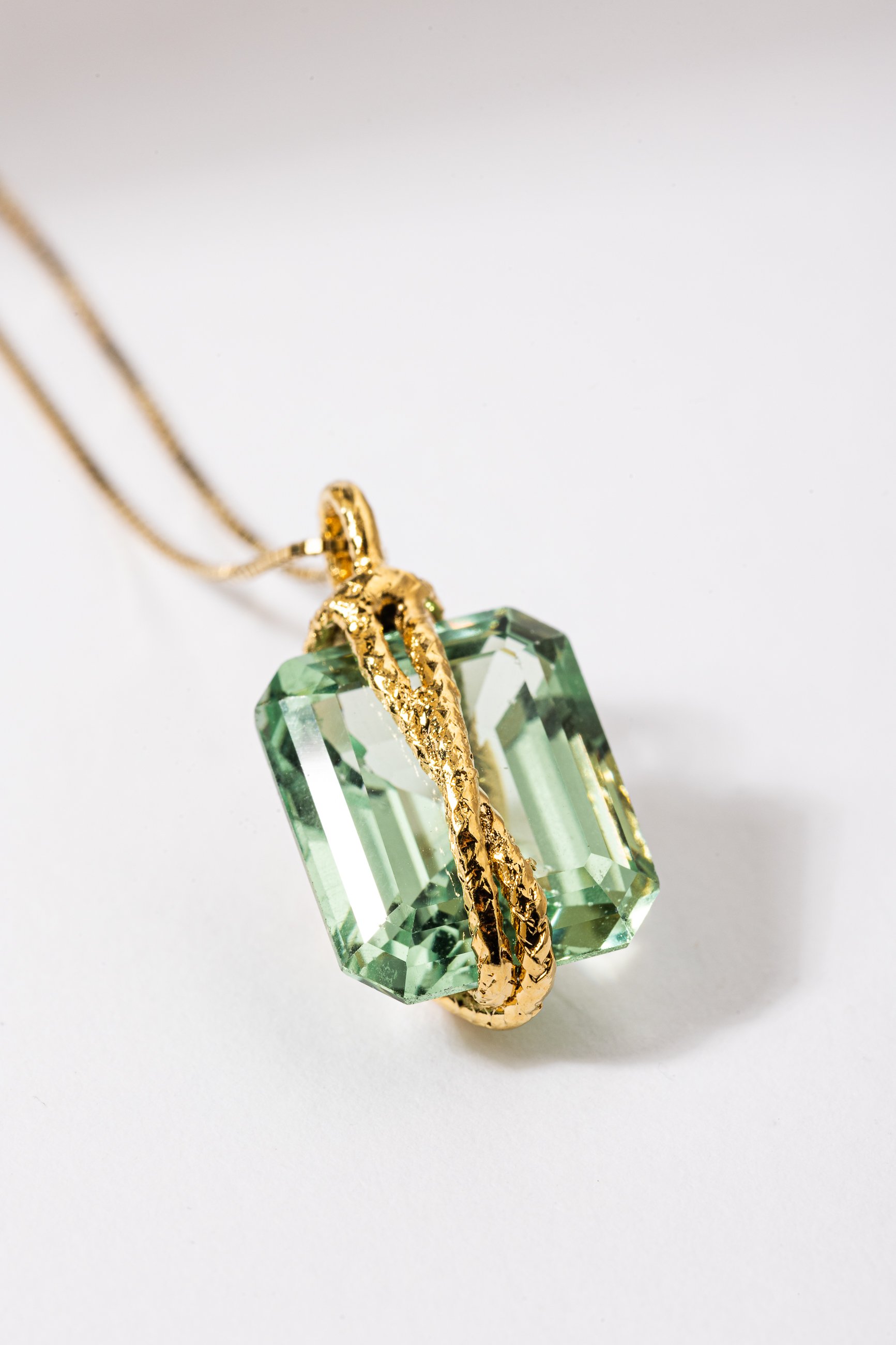
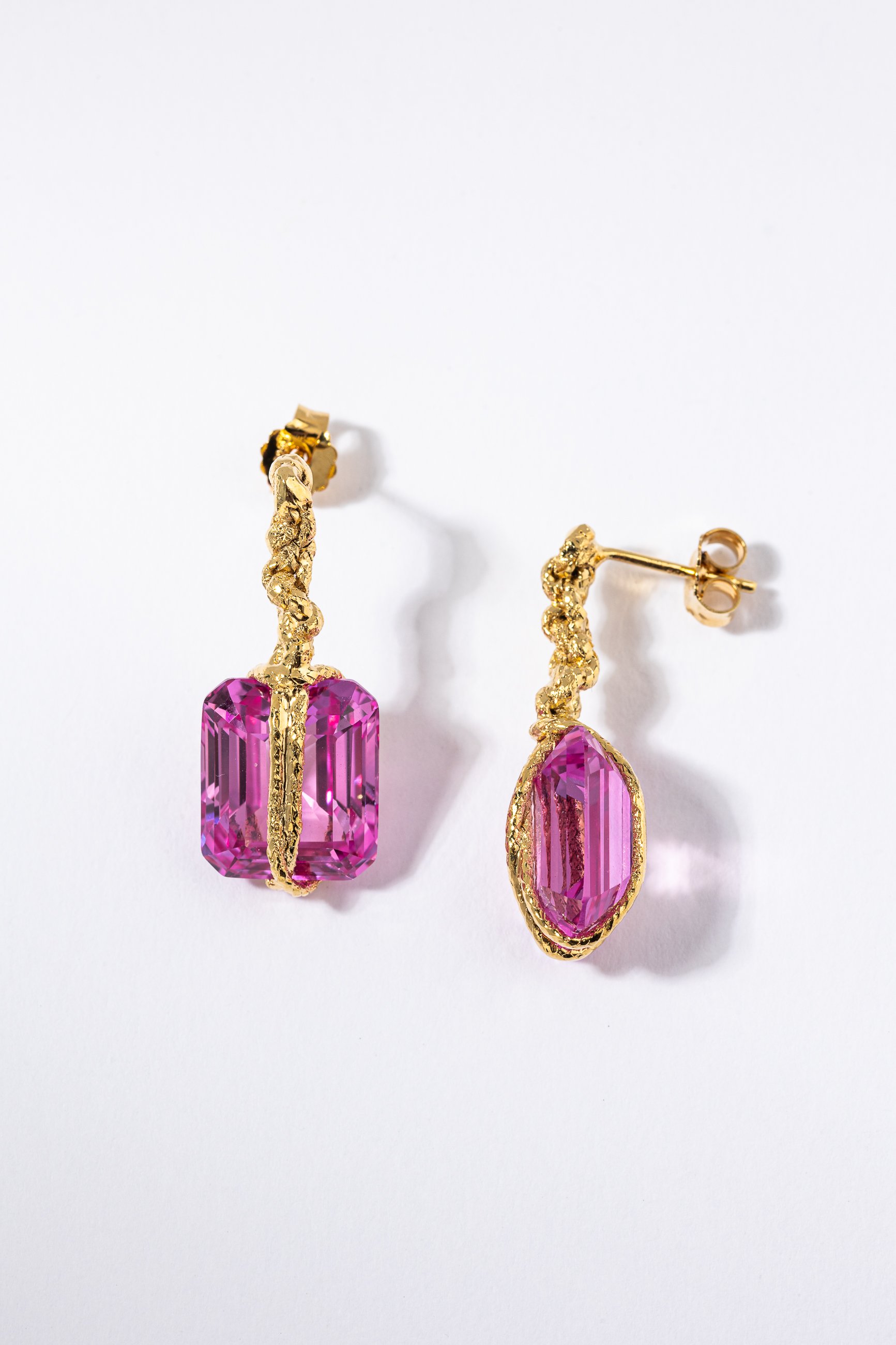
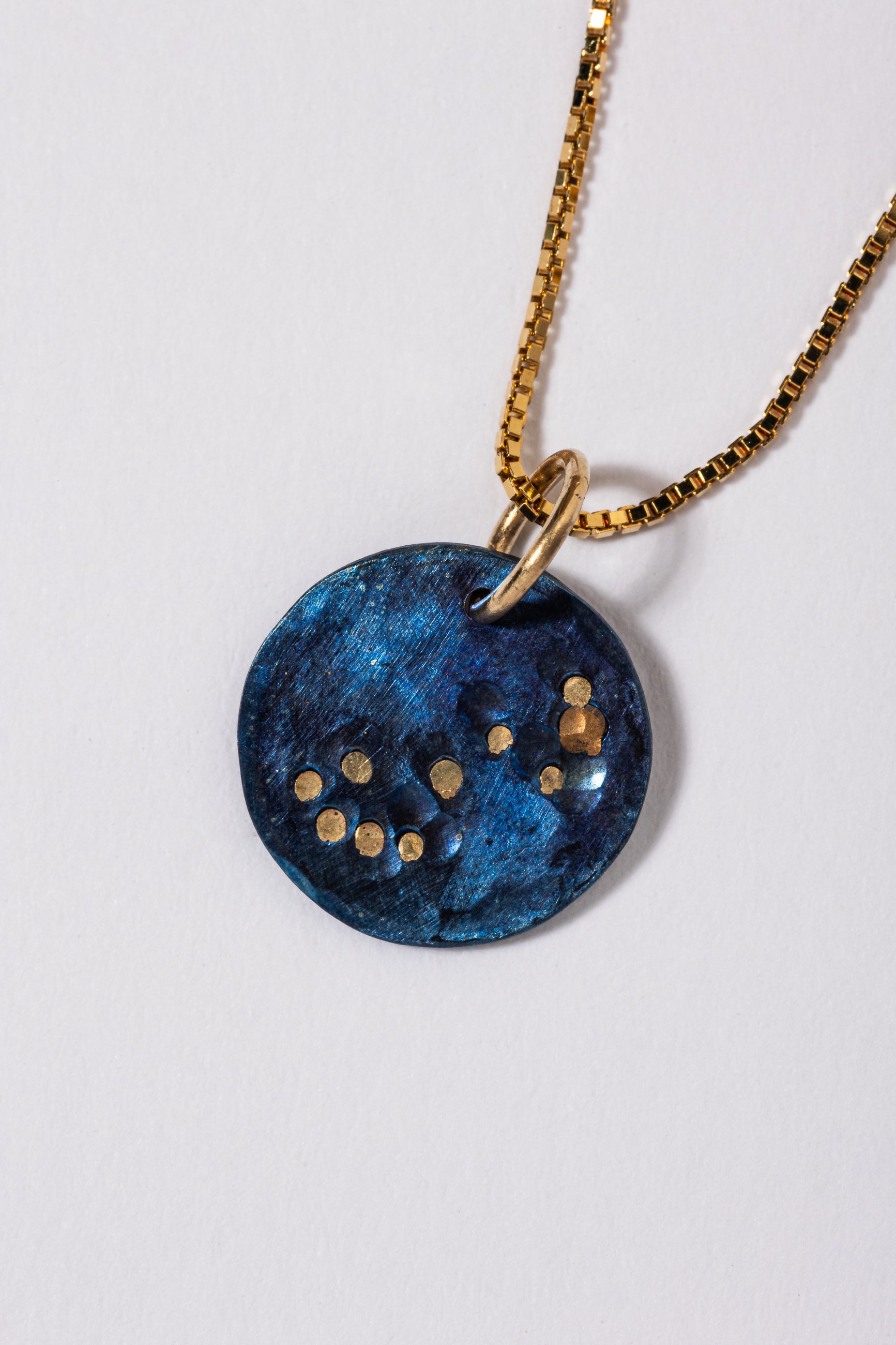
Here you will find fashion, jewelry, accessories, art and design created by Florentine and Tuscan makers.
Small productions, independent ideas and objects made locally—not generic souvenirs designed to look Florentine.
This is the contemporary side of the city: a Florence that is still designing, experimenting and making things by hand.
3. Museo Horne
At Museo Horne, you enter an intimate Renaissance house rather than a crowded monumental museum.
Among its works is Giotto’s Saint Stephen, recognisable by the stones resting on his head, symbols of his martyrdom.
The painting may once have belonged to an altarpiece created for Santa Croce.
A Giotto you can experience slowly and almost in silence.
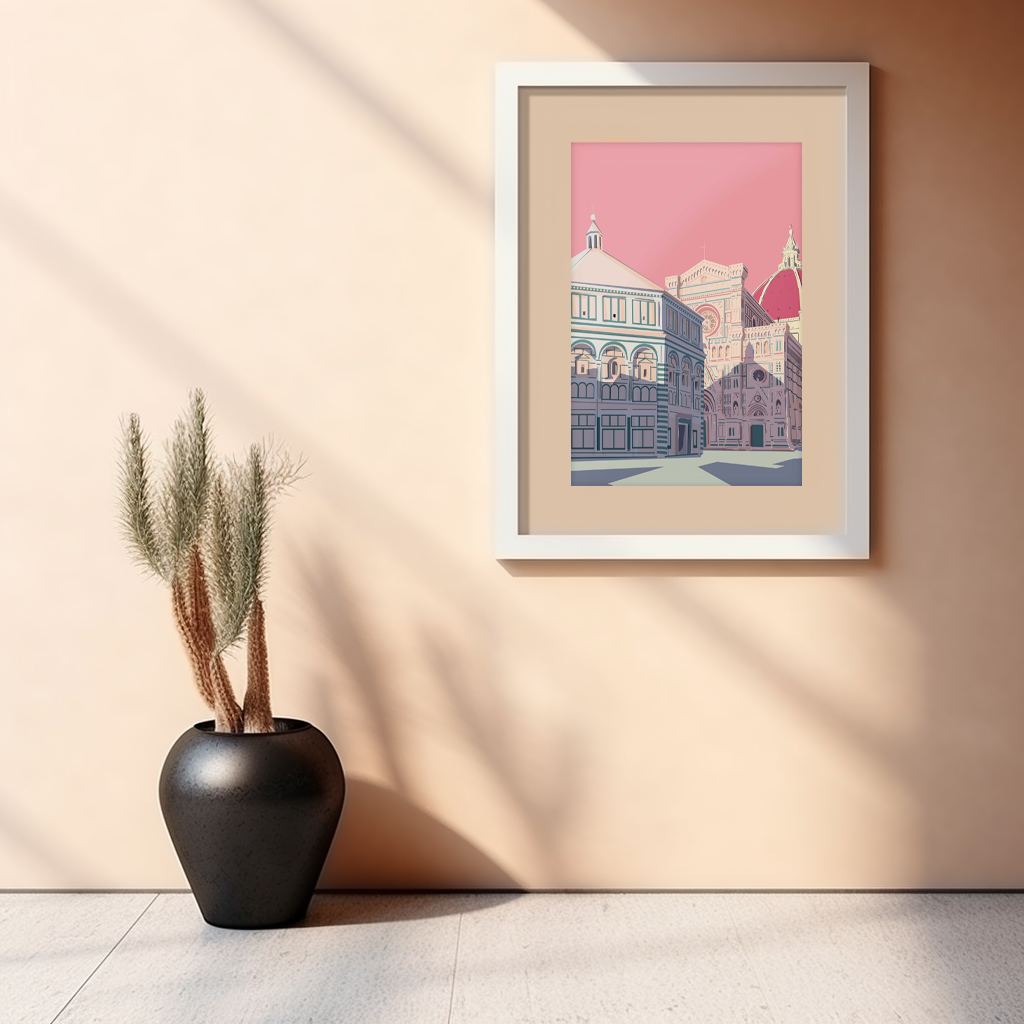
4. Piazza Santa Croce
Before entering the basilica, take a quick look at Palazzo dell’Antella. Its windows gradually move closer together towards the church, creating the illusion of a longer façade.
Inside Santa Croce, some of the most surprising details are also the easiest to miss.
In the Pazzi Chapel, the small dome above the altar represents the Florentine sky and its constellations as they appeared on 4 July 1442.
The Liberty of Poetry, sculpted by Pio Fedi, bears a striking resemblance to New York’s Statue of Liberty, completed several years later.
It was also inside Santa Croce that Stendhal described feeling overwhelmed by beauty: a racing heart, dizziness and the fear of collapsing. The experience would later become known as Stendhal Syndrome.
In the sacristy, the Cimabue Crucifix still carries the scars of the 1966 flood, a reminder of both the fragility of art and Florence’s ability to recover.
5. Vivoli
A few streets away, stop at Vivoli, one of Florence’s historic gelaterias and pastry shops.
Skip the famous affogato for once and look for the mousses and semifreddi instead: softer, quieter and less obvious expressions of the family’s long artisanal tradition.
Sometimes the best choice is not the one everyone is filming.
6. Casa Buonarroti
At Casa Buonarroti, you can see two works created by Michelangelo when he was still very young: the Madonna of the Stairs and the Battle of the Centaurs.
This was not his permanent home, but a place created by his family to preserve and celebrate his legacy.
Here, Michelangelo is not yet the untouchable master. He is a young artist beginning to find his voice.
7. Empireo
Finish the walk at Empireo, on Lungarno della Zecca Vecchia.
From the rooftop, the view opens over the Arno, the National Library, Florence’s rooftops and the Santa Croce district where the route began.
It is the perfect place to stop, look back and see the neighbourhood from a new perspective.
From here, a short walk takes you back to Piazza Santa Croce and closes the circle.
Because Stendhal Syndrome does not belong only to famous masterpieces.
Sometimes it begins with a hidden detail, an independent shop, an unexpected work of art or the discovery that, even in the most visited part of Florence, authentic places and people are still here.
Save this walk and explore the neighbourhood with a little more attention.

Sculptural, versatile, confidently understated
Anila combines a boldpresence with remarkablycleanlines. Its elongated silhouette feels sculptural without becoming rigid, offering generous space in a shape that remains refined and easy to wear. Designed to move effortlessly between everyday routines and more considered occasions, it balances practicality with quiet elegance.
The shoulderstrap allows Anila to be carried comfortably on the shoulder or by hand, while an additional extension stored inside transforms it into a crossbody bag whenever extra freedom is needed. The spacious interior keeps the design uncluttered, favouring simplicity over unnecessary compartments and making room for the essentials—and then some.
HandmadeinFlorence from surplus leather, each Anila celebrates a slower approach to production. Slight variations in grain, texture and colour are a natural consequence of working with carefully selected surplus hides, giving every bag its own individual character while reducing unnecessary waste.
Details
Elongated shoulder bag silhouette
Convertible shoulder and crossbody design
Additional strap extension included
Spacious single interior compartment
Gold-finish stamped logo
Exterior: 100% leather
Interior: fabric lining
Handmade in Florence
Made using surplus leather
Size and measure
Height: 11.5 cm
Width: 32 cm
Depth: 9 cm
Available in
Butter
Black
Mauve
Dark Brown
Burgundy
Lime
Product note
Natural variations in the leather, including slight differences in grain, texture and colour, are part of the material's character and reflect the use of carefully selected surplus leather.
Why We Chose It
We chose Anila for the clarity of its design. It is a bag that feels contemporary without relying on trends, combining a distinctive silhouette with genuine versatility. The option to alternate between shoulder and crossbody wear makes it exceptionally adaptable, while the use of surplus leather reflects the kind of thoughtful craftsmanship we value: considered, responsible and designed to last.