
U.S. Customs Duties: Buying in Florence vs. Ordering Online
What American shoppers should know before bringing home Italian leather, jewelry, clothing, and artisan objects.
Shopping from Florence has always involved a little romance: the hand-finished leather, the ring that looks better in person than on a screen, the object you did not strictly need until it became impossible to leave without it. Customs duties are the less poetic part of the story, but they matter — especially for U.S. customers.
As of August 29, 2025, the United States suspended the old $800 de minimis exemption for imported shipments, meaning low-value international parcels are no longer automatically duty-free when shipped into the U.S.
That does not mean every Florence purchase is treated the same way. The rules are different depending on whether you buy in person while traveling or order online from the U.S. A bag in your suitcase and a bag shipped by courier are, in the eyes of customs, two rather different characters.

Shoppiong in florence made easy
If You Are Visiting Florence and Shopping In Store
For American travelers buying in Florence and carrying purchases home in their luggage, the key rule is the personal exemption. U.S. returning residents are generally eligible for an $800 duty-free exemption on goods acquired abroad, provided the goods accompany them when they return and the traveler meets the relevant conditions. CBP also notes that this exemption is generally available once every 31 days after a trip of at least 48 hours.
This is the good news for visitors: buying in store while you are in Florence may be simpler than ordering the same item later online. You can see the leather, try the piece, ask questions, and bring it home yourself — with the personal exemption potentially applying to your purchases.
If your purchases exceed the exemption, CBP states that the next amount may be subject to a reduced flat duty rate in certain cases, with standard tariff rules applying above that. Exact treatment depends on what you bought, its value, and your declaration.
The civilized version: declare your purchases, keep your receipts, and enjoy the rare satisfaction of having bought something beautiful and documented.
Florence Factory note for travelers
Visit us near Santa Croce — Florence Factory, Via dei Neri 6/8R.
We bring together the work of 40 Florentine and Tuscan artisans, from leather goods and jewelry to accessories, design objects, and small-batch pieces made with care rather than airport logic.
Traveling back to the U.S.? Buying in store lets you experience the piece in person and carry it home with your luggage, where the U.S. personal exemption may apply.
If You Are Ordering Online from the United States
Online orders are treated differently. Since the suspension of de minimis duty-free treatment, shipments to the U.S. may be subject to import duties regardless of order value.
For goods of EU origin, including products made in Italy, current CBP guidance states that the duty treatment generally depends on the product’s normal U.S. tariff rate. If the standard “Column 1” duty rate is less than 15%, the combined tariff is brought up to 15%. If the normal duty rate is already 15% or higher, no additional reciprocal tariff is added under that rule.
In plain English: many Italian-made goods shipped to the U.S. should be expected to carry import duties, often around 15%, though the exact rate depends on the product classification, material, origin, and declared customs value.
Florence Factory ships worldwide via FedEx — tracked and insured. Duties and taxes are determined by U.S. customs and/or the courier process, not by the romance of the object, sadly.
How Duties May Affect Different Product Categories
Customs classifications are technical. A leather handbag, a silver ring, a cotton dress, and a ceramic object do not live in the same bureaucratic neighborhood. The final duty depends on the product’s HS/HTS code, material, value, and origin. The U.S. Harmonized Tariff Schedule is the official system used to classify products and determine duty rates.
Leather bags & small leather goods
Leather handbags often fall under Chapter 42. CBP classification examples show leather handbags with general duty rates around 9–10%, but EU-origin goods with a base rate below 15% may be brought up to a combined 15% under the current EU framework.
Jewelry usually falls under Chapter 71. Rates vary by material: silver, gold, plated metals, stones, and imitation jewelry can be treated differently. Many jewelry rates are below 15%, meaning EU-origin pieces may often be brought to the 15% combined rate when shipped.
Apparel is one of the most variable categories. Duty rates depend on whether a garment is knitted or woven, and on fiber content: cotton, silk, wool, linen, synthetics, or blends. Some apparel rates may be below 15%; others may already exceed it.
Shoes are particularly classification-sensitive. Leather uppers, textile uppers, soles, gender categories, and value brackets can all change the duty. Some footwear may fall near or above 15%, so exact classification matters.
Design objects & home accessories
These depend entirely on material and function: ceramic, wood, metal, textile, recycled PLA, or mixed materials may all be classified differently. For EU-origin goods, the 15% framework may apply unless a specific exception exists.
Original art objects
Some original artworks may fall under Chapter 97, where certain paintings, engravings, prints, lithographs, and sculptures can be duty-free. Documentation and classification are essential.
What This Means for Leather Goods
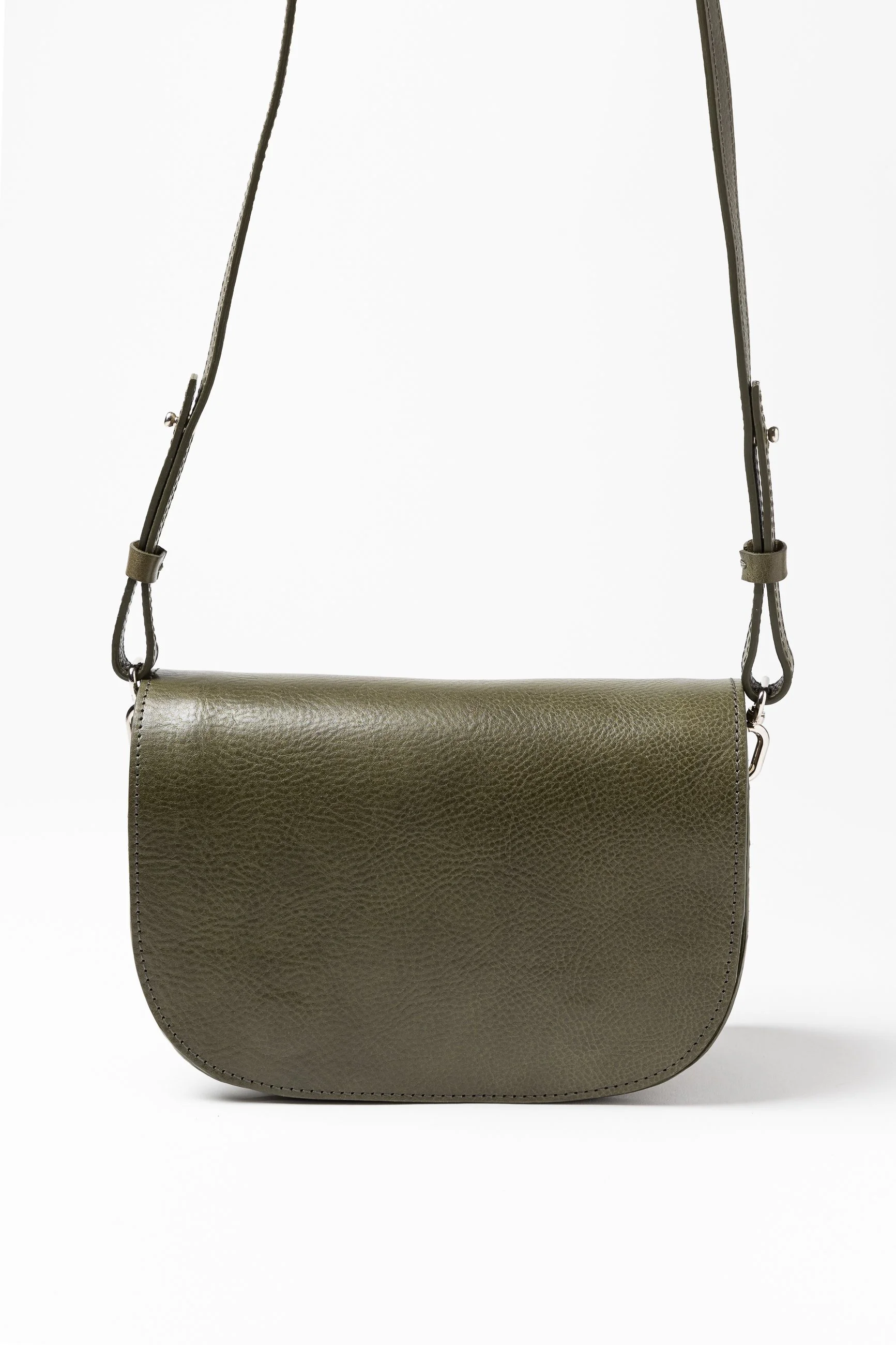
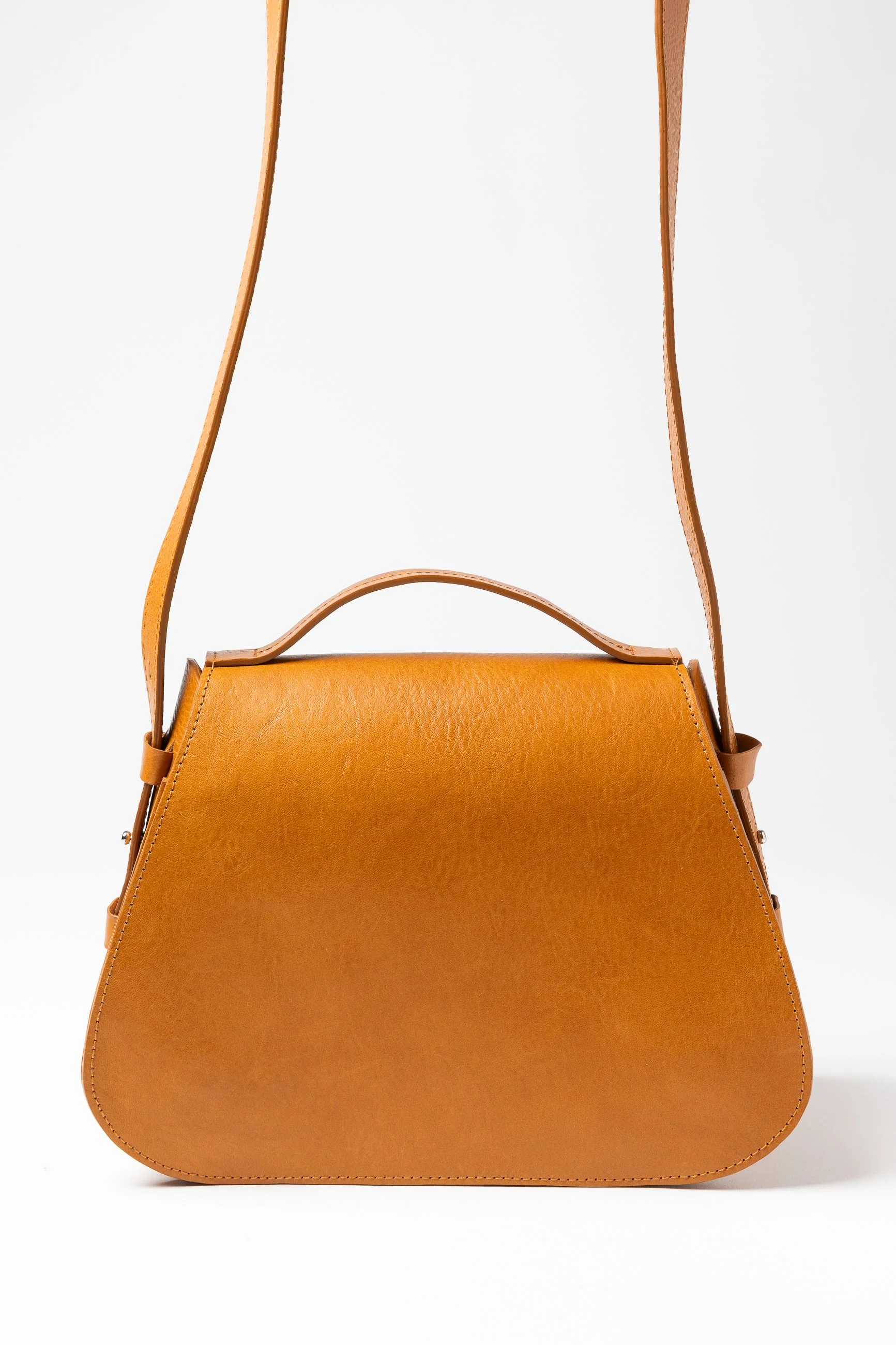
Italian leather is one of the categories most affected by the new e-commerce reality. A vegetable-tanned leather bag shipped from Florence to the U.S. may now arrive with import duties, even if its value is below $800.
For online shoppers, this means transparency matters. A beautifully made bag should not arrive with a mysterious courier bill and a small emotional weather event. When possible, we recommend checking duty expectations before purchase or choosing checkout options that make import costs clear.
For travelers already in Florence, the logic changes. You can touch the leather, compare colors, ask about care, and carry the piece home yourself. It is not only more pleasurable; it may also be more practical.
What This Means for Jewelry
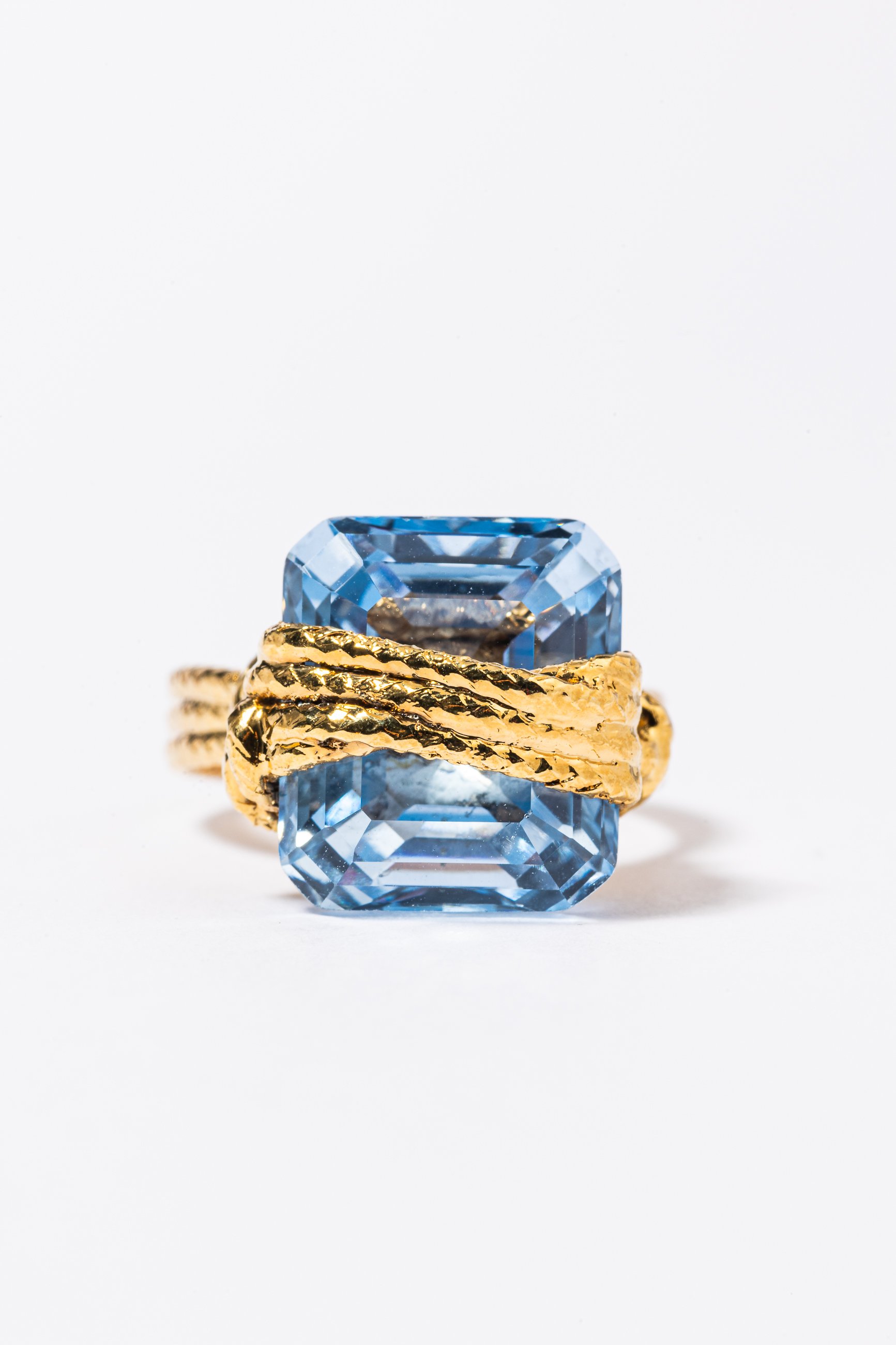
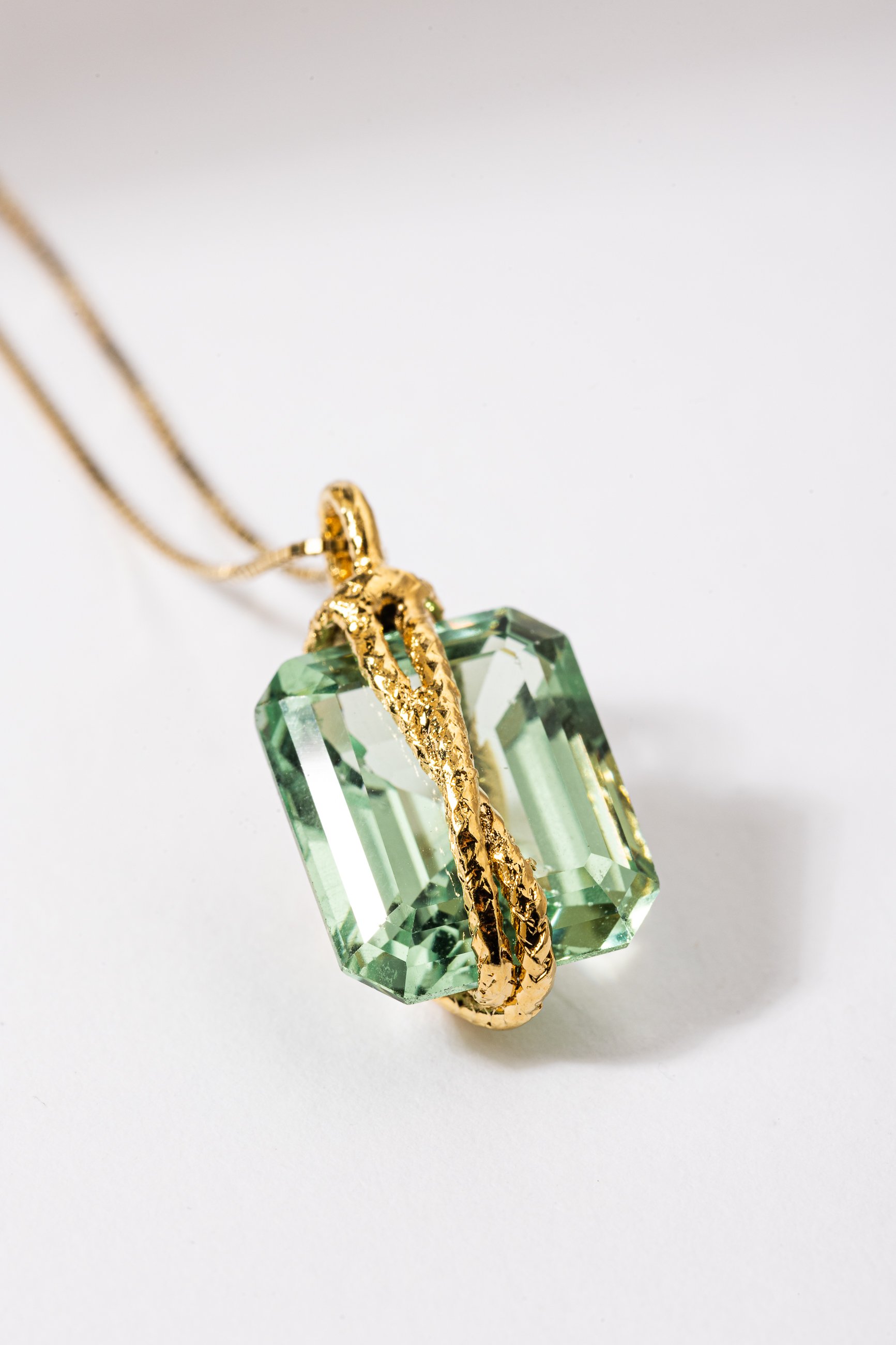
Jewelry customs treatment depends on materials: silver, gold, plated metals, pearls, gemstones, and costume jewelry can each fall into different classifications. A pair of earrings and a ring may look like cousins in a display case; customs may consider them separate legal personalities.
For U.S. online customers, duties may apply at import. For travelers, jewelry can usually be included in the personal exemption when properly declared, subject to the overall value of purchases and CBP rules.
Our advice is simple: keep the receipt, know the material, and resist the ancient temptation to describe a meaningful purchase as “basically nothing.” Customs officers have heard this aria before.

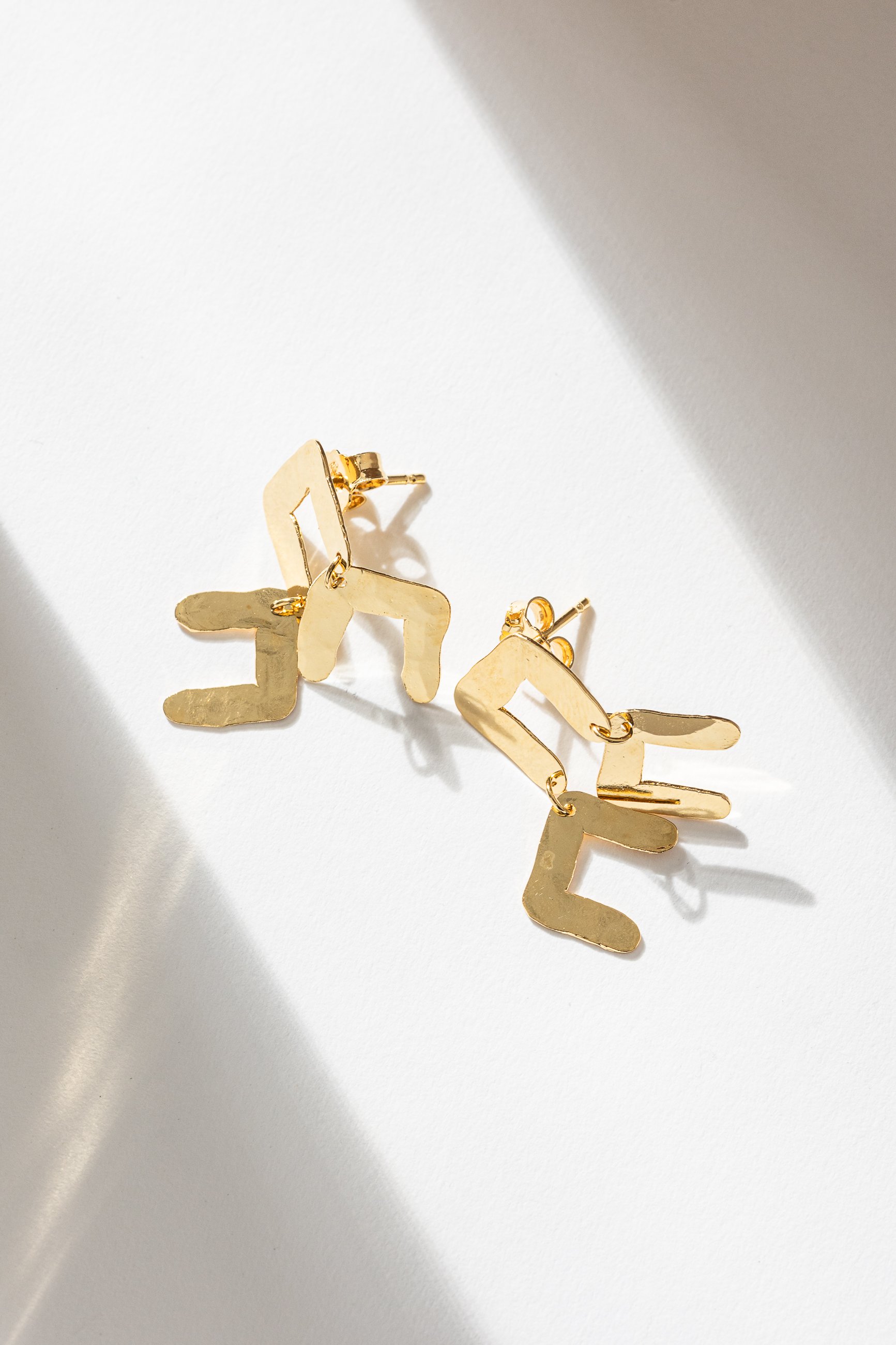
What This Means for Clothing and Accessories
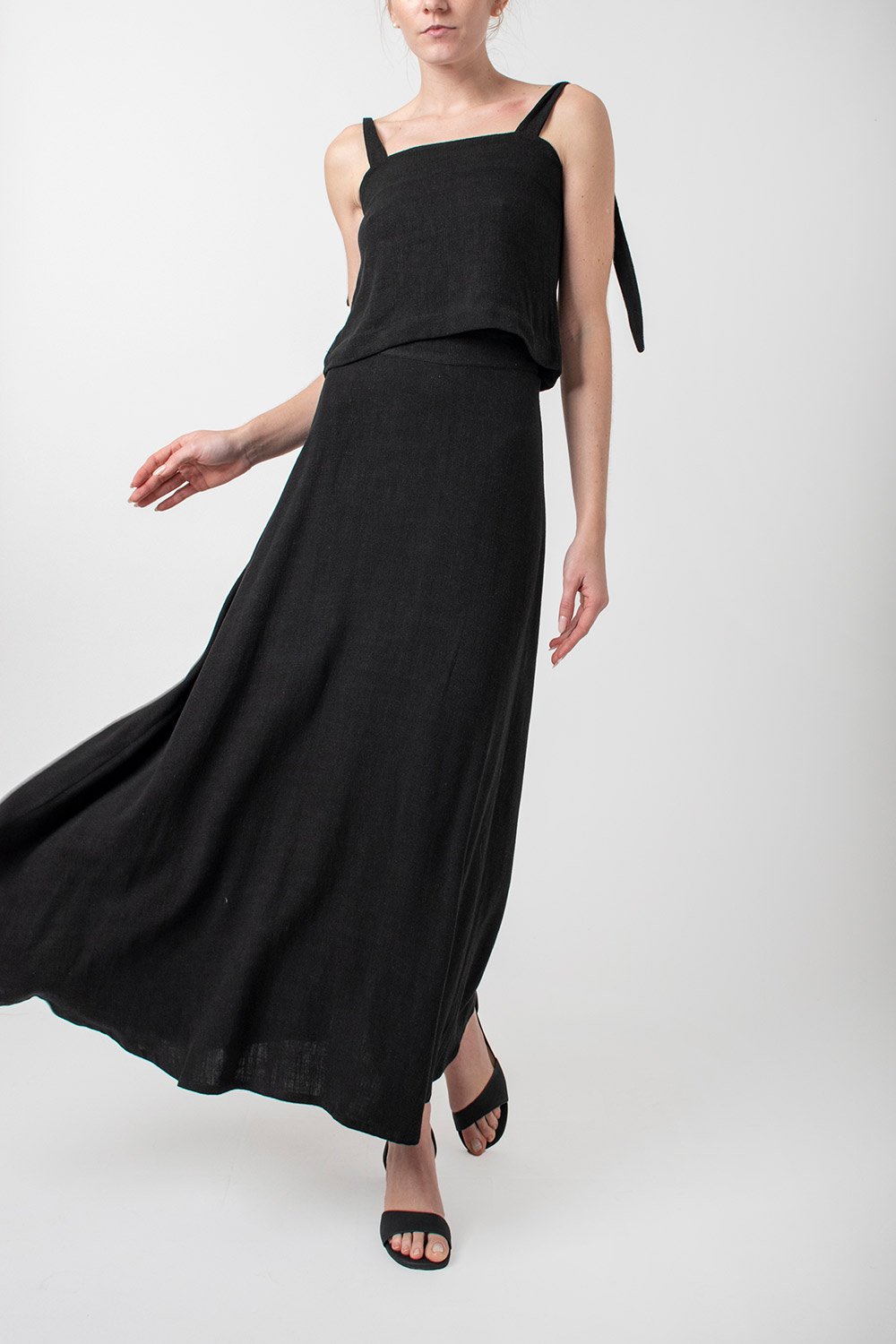
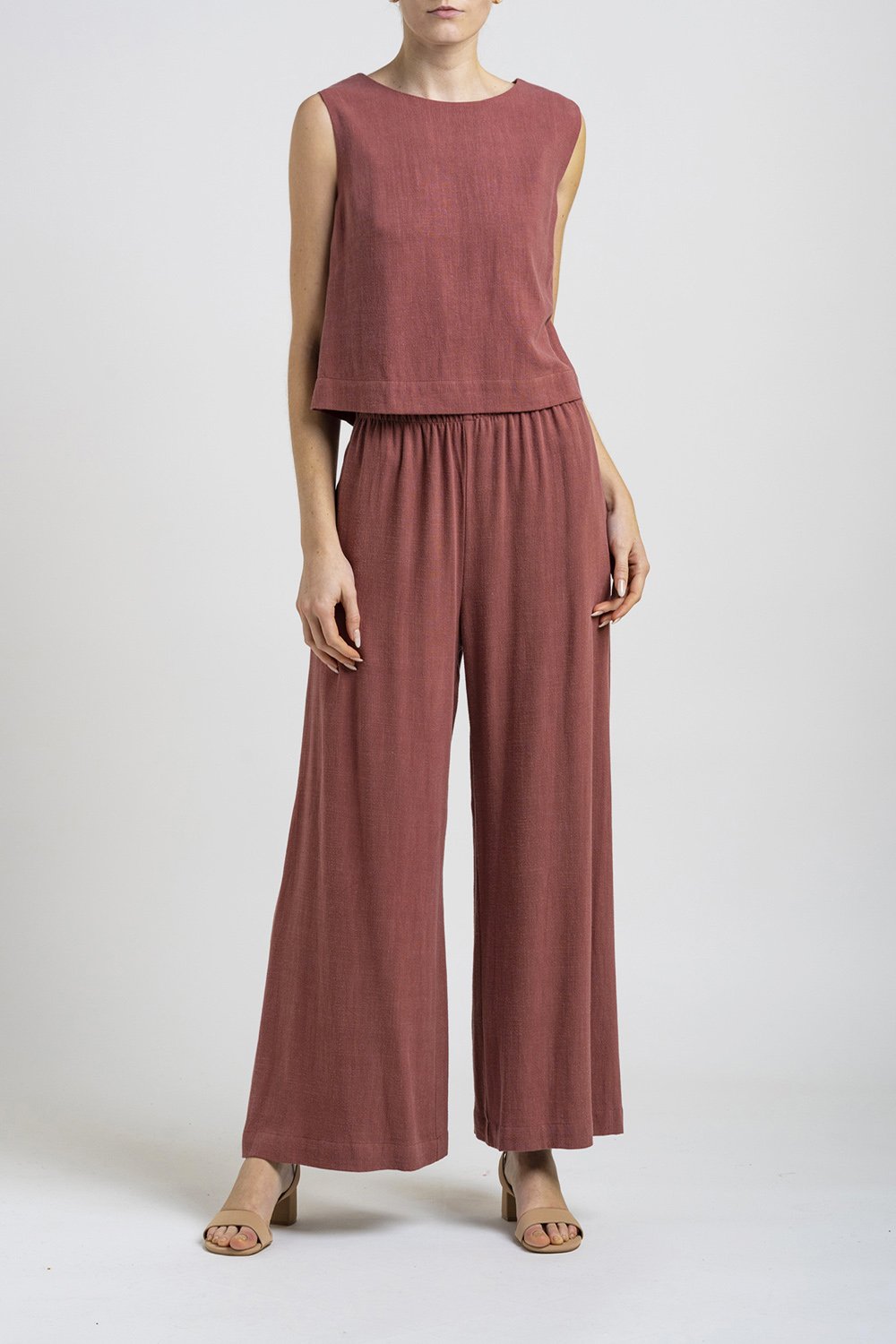
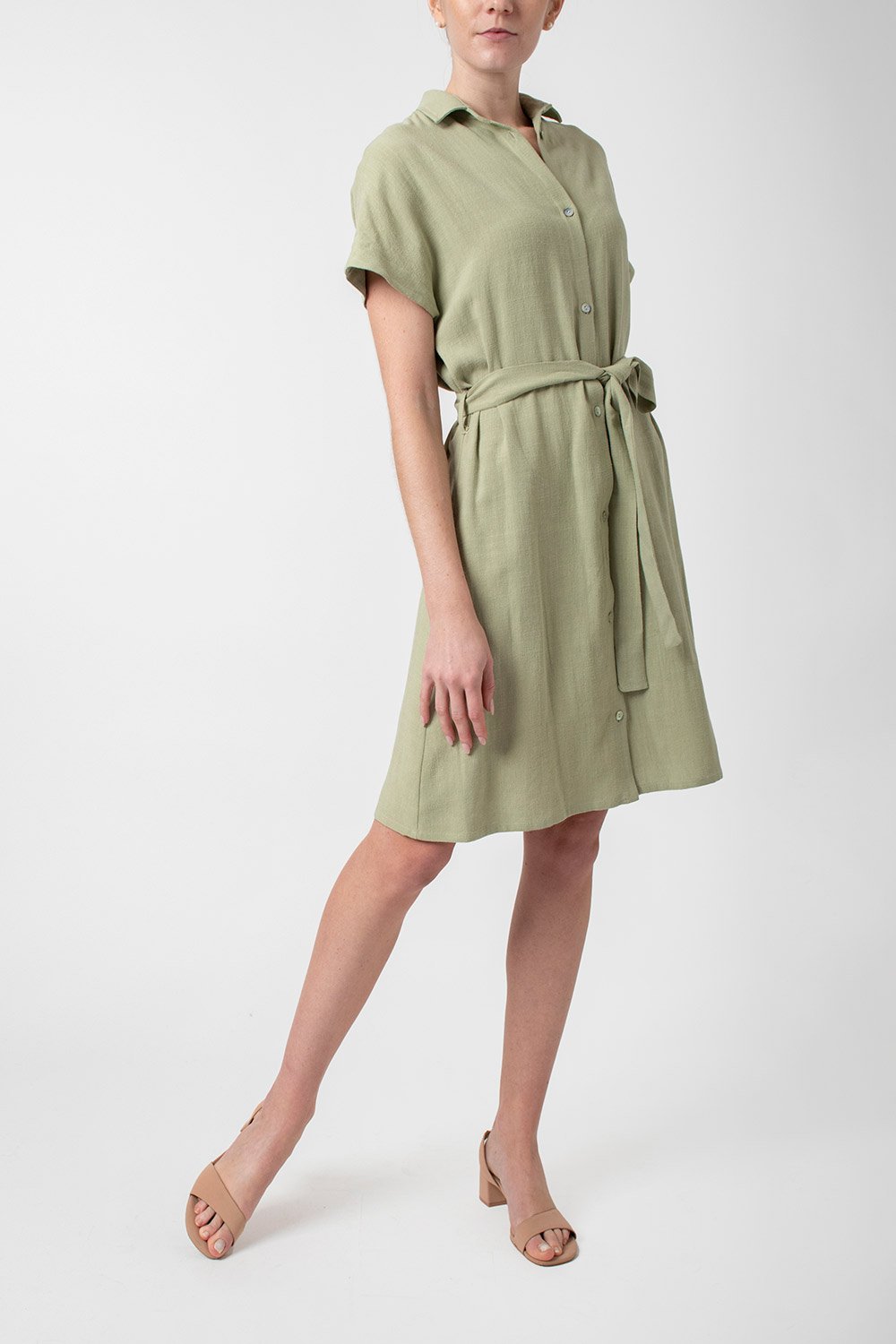
Clothing is one of the least intuitive customs categories. A dress may be classified differently depending on whether it is woven or knitted; a scarf may depend on fiber; a jacket may depend on construction and lining.
For online orders, this means duty estimates should be handled carefully at checkout or communicated clearly before shipping. For in-store purchases, visitors should keep receipts and include clothing in their customs declaration when returning to the U.S.

What This Means for Artisan Objects
Florence Factory carries design objects, accessories, and small-batch pieces made from many materials, including leather, metals, textiles, and plant-based or recycled PLA. Customs treatment depends on what the object is, what it is made from, and how it is classified.
A decorative object, a wearable accessory, and an original artwork may be treated differently even if all three were made in Tuscany and all three are excellent dinner-party material.
For U.S. customers ordering online, we recommend viewing duties as part of the landed cost. For travelers in Florence, the in-store experience remains the most direct way to understand the object — and bring it home with a receipt and a story.
The Best Option for U.S. Customers?
If you are already in Florence, visit us in store. It is the most tactile, immediate, and frankly enjoyable way to shop. You can see the materials, understand the maker’s work, and carry your purchase home with you.
If you are ordering from the U.S., we still ship worldwide via FedEx, tracked and insured. Just remember that U.S. import duties may apply, and the final amount depends on customs classification and U.S. import rules at the time of entry.
Either way, the principle is the same: buy fewer things, choose better ones, and let the object earn its place in your life.
U.S. Customs Duties FAQ
-
Yes, import duties may apply to U.S. online orders from Italy. Since August 29, 2025, the U.S. has suspended duty-free de minimis treatment for low-value shipments from all countries.
-
Yes. Purchases carried home by U.S. travelers may fall under the personal exemption rules for returning residents. Shipped online orders are treated as imports and may be subject to duties regardless of value.
-
It depends on the exact product classification. Under current guidance for EU-origin goods, many products with a standard U.S. duty rate below 15% are brought up to a combined 15% rate.
-
We can help with product information, materials, and shipping documentation, but final duty is determined by U.S. customs and courier processing. Exact rates depend on HS/HTS classification, value, origin, and current U.S. rules.
-
Yes. Keep receipts for purchases made abroad and declare your goods when returning to the United States. It is the least glamorous part of travel, but also the most elegant way to avoid problems.
Florence Factory services:
Worldwide shipping via FedEx — tracked & insured.
In-store pickup by arrangement — message or call us; availability varies by item.
Custom & on-request options — colors, sizing, gemstones on select pieces.
Small-batch, artisan-made — durability, repair-friendly, fair pricing.

The Nina Bag is the kind of everyday bag that does not need to announce itself loudly. Its charm is quieter: clean lines, balanced proportions, and a compact silhouette designed to move easily from morning errands to evening plans.
Made from smooth full-grain vegetable-tanned leather, Nina has enough room for the essentials: phone, wallet, keys, sunglasses, and a small make-up pouch. The zip closure keeps everything neatly in place, while the adjustable strap allows it to be worn on the shoulder or crossbody — depending on the day, the coat, and the level of Florentine walking involved.
Inside, the bag keeps the natural character of leather visible, with a simple flat pocket for the small things that always seem to disappear at the wrong moment.
Minimal, practical, and unmistakably refined: Nina is designed for those who prefer fewer objects, better chosen.
Available In
Camel, Black, Green, Rust
Key Features
Smooth full-grain vegetable-tanned leather from Tuscany
Zip closure
Adjustable shoulder strap: 100–145 cm
Can be worn on the shoulder or crossbody
Interior flat pocket
Natural leather interior
Dimensions: 15 cm height × 23 cm width × 8 cm depth
Available in: camel, chocolate, green, rust
Why We Chose It
We chose the Nina Bag for its rare balance: it is simple without being plain, polished without becoming precious. The design has an architectural clarity — compact, functional, and beautifully proportioned — while the leather gives it warmth and life.
It is a bag made for real use, not just product photography. The kind that improves with time, softens with wear, and quietly becomes part of a personal uniform.